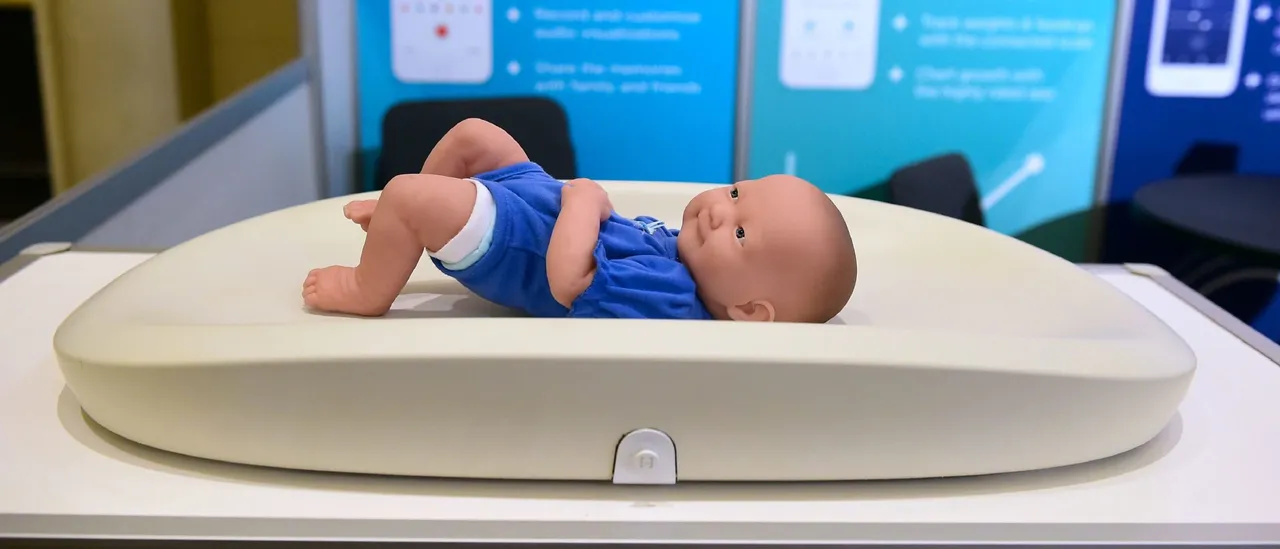
Parenting experts say moms and dads should start using words like “vulva,” “penis” and “anus” with their babies as part of a push to teach consent and body awareness from infancy.
Researchers from Deakin University in Australia published a report this month urging parents to treat diaper changes as early lessons in bodily autonomy and consent. They advise mothers and fathers to begin each change by explaining what’s about to happen and pausing to allow the baby to “take it in,” even if the child is months away from uttering a word.
“At the start of a nappy change, ensure your child knows what is happening,” the report states. “Get down to their level and say, ‘You need a nappy change’ and then pause so they can take this in.”
From there, the researchers recommend offering options — such as walking to the changing table or being carried — and watching for cues in facial expressions and body language. The idea, the report says, is to normalize conversations about touch, consent and anatomy from the very start of a child’s life.
They go even further, suggesting parents ask questions like “Can you please lift up your bottom so I can slide your nappy out?” and avoid distracting the child with toys or songs. To the experts, diaper changes shouldn’t be rushed or treated like a chore. They should function as a foundational lesson in consent.
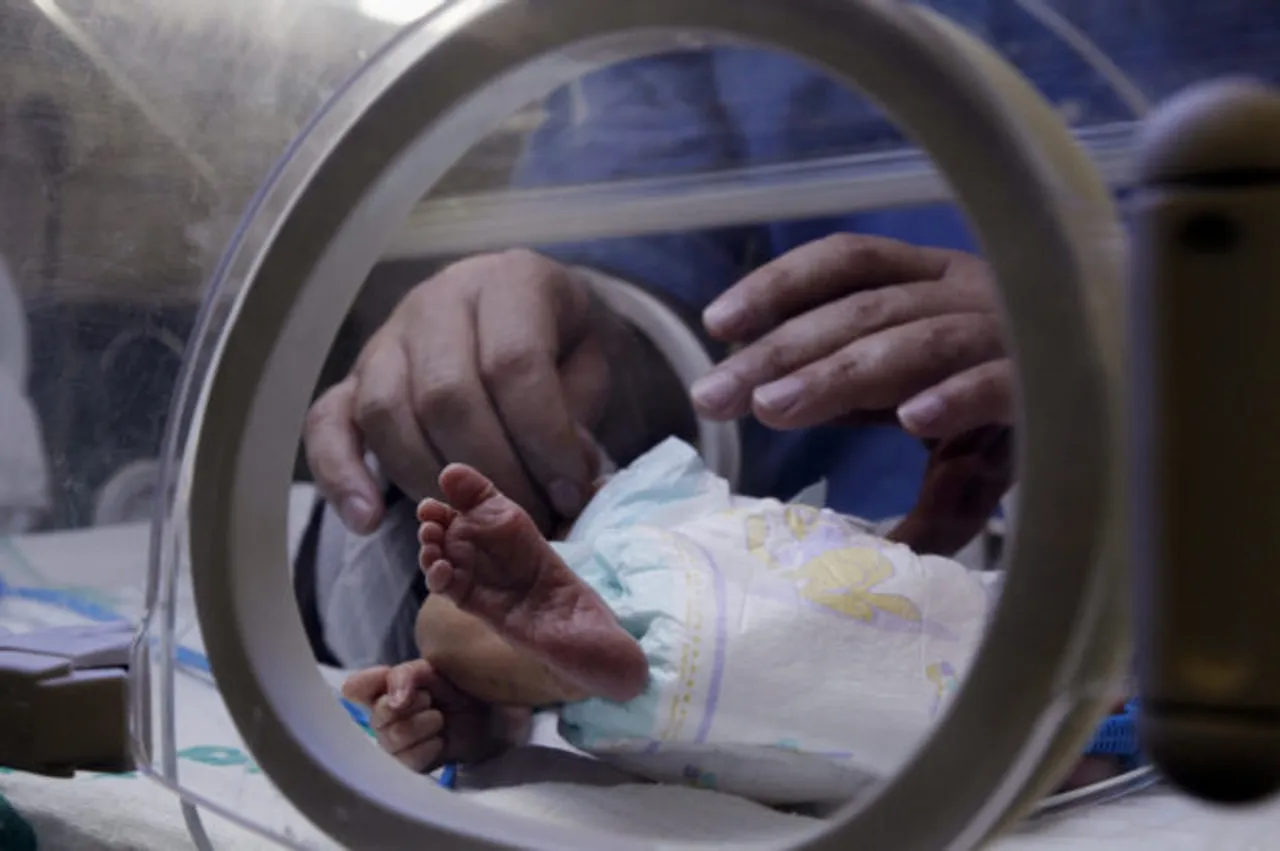
A nurse changes the diaper of a Palestinian infant in an incubator on February 16, 2012 at Al-Shifa hospital in Gaza City which has been suffering from heavy power cuts after the impoverished territory’s sole power plant, that supplies around a third of Gaza’s electricity, ground to a halt earlier this week when it ran out of diesel. (Photo by MOHAMMED ABED/AFP via Getty Images)
“This can be a time to help children learn about consent and how their bodies work,” the authors wrote.
The philosophy comes straight from the world of “gentle parenting,” the popular but polarizing approach embraced by many younger millennials and Gen Z parents. The Deakin researchers insist their method protects children by teaching them the names of their private parts and signaling that their bodies belong to them.
The report says that avoiding euphemisms could improve safety, since a child who understands words like “vulva” and “anus” can more clearly report inappropriate behavior.
“Parents may feel uncomfortable doing this and think more childish names should be used. But this keeps children safe as it means they can then inform trusted adults about their experiences with all the people who care for them,” the report notes.
Some experts outside the study agree that talking to infants during diaper changes has value, even if the child can’t yet respond. Yamalis Diaz, a clinical child psychologist at NYU Langone, told the New York Post that the point isn’t to extract verbal permission, it’s to build habits that make consent, communication and body awareness second nature.
“This is more about integrating the teaching of consent into the [adult’s] parenting practices early on,” Diaz said. “It’s aimed at increasing the parents’ awareness of all the ways that the need for consent occurs in a child’s life.”
Lesley Koeppel, a New York psychotherapist, said the conversations are symbolic but still valuable.
“Babies cannot verbally agree or disagree, but parents can still narrate what they are doing,” Koeppel told the New York Post. “This builds a foundation for bodily autonomy long before a child has language.”
The latest guidance urging parents to use terms like “vulva” and “anus” with their babies mirrors guidance previously reported by the Daily Caller in 2018, when Australian educator Deanne Carson encouraged parents to ask infants for “consent” before changing a diaper. (RELATED: REPORT: College Cheerleader Allegedly Puts Infant In Trash Bag, Hides It In Closet After Giving Birth)
Carson, founder of Body Safety Australia, claimed the practice would help teach bodily autonomy and reduce the risk of future abuse. In one interview, she demonstrated her approach by saying, “I’m going to change your nappy now, is that okay?” and also suggested parents pause to observe the baby’s body language.
All content created by the Daily Caller News Foundation, an independent and nonpartisan newswire service, is available without charge to any legitimate news publisher that can provide a large audience. All republished articles must include our logo, our reporter’s byline and their DCNF affiliation. For any questions about our guidelines or partnering with us, please contact licensing@dailycallernewsfoundation.org.





![Donald Trump Slams Chicago Leaders After Train Attack Leaves Woman Critically Burned [WATCH]](https://www.right2024.com/wp-content/uploads/2025/11/Trump-Torches-Powell-at-Investment-Forum-Presses-Scott-Bessent-to-350x250.jpg)

![Kamala Comes Unglued, Makes Bogus Claim About Her Landslide Loss to Trump [WATCH]](https://www.right2024.com/wp-content/uploads/2025/10/Kamala-Comes-Unglued-Makes-Bogus-Claim-About-Her-Landslide-Loss-350x250.jpg)