Cllr David Rogers is the Deputy Leader of the Conservative Group on Cherwell District Council.
The debate about local government reform is heating up. Many local authorities are about to submit their proposals to Steve Reed and MHCLG. We stand, once again, on the brink of significant structural change, we must confront an uncomfortable truth: the timing could hardly be worse.
Local government reform is complicated at the best of times, but this round is being made far harder by the fact that two of the most important pieces of the local government finance puzzle—the Fair Funding Settlement and the Business Rates Reset—remain unresolved. Neither has been fully quantified, and yet we are being asked to make decisions that will shape the future of our authorities for decades to come. That is not good governance; it is guesswork.
The Fair Funding Settlement is supposed to bring a fairer, more balanced system for distributing resources between councils. It should ensure that money follows need, and that those areas with greater pressures are properly supported. But until the figures are known, until we can see who stands to gain and who might lose, any discussion about reform is inevitably incomplete. This redistribution of wealth will punish many soundly-run Conservative councils and with no understanding of what out budgets will be, we have worked our officer corps incredibly hard, burnt goodwill and it could all be for nought as we have no idea of our financial future until after the plans have been submitted.
The same is true of the Business Rates Reset. Business rates are a cornerstone of council funding, particularly for authorities with strong local economies. The uncertainty over how much will be retained locally and how much will be redistributed nationally leaves councils unable to plan confidently for the future. Without these numbers, local government reform becomes a leap in the dark.
When fundamental financial details remain unclear, it becomes impossible to have a genuine, informed conversation about the structure and purpose of local government. The danger is that local government reform becomes driven not by principles or by what is right for communities, but by expedience and assumption. Decisions made without a sound financial foundation will not serve residents well in the long term. Local government deserves better than that, and our communities deserve better, too.
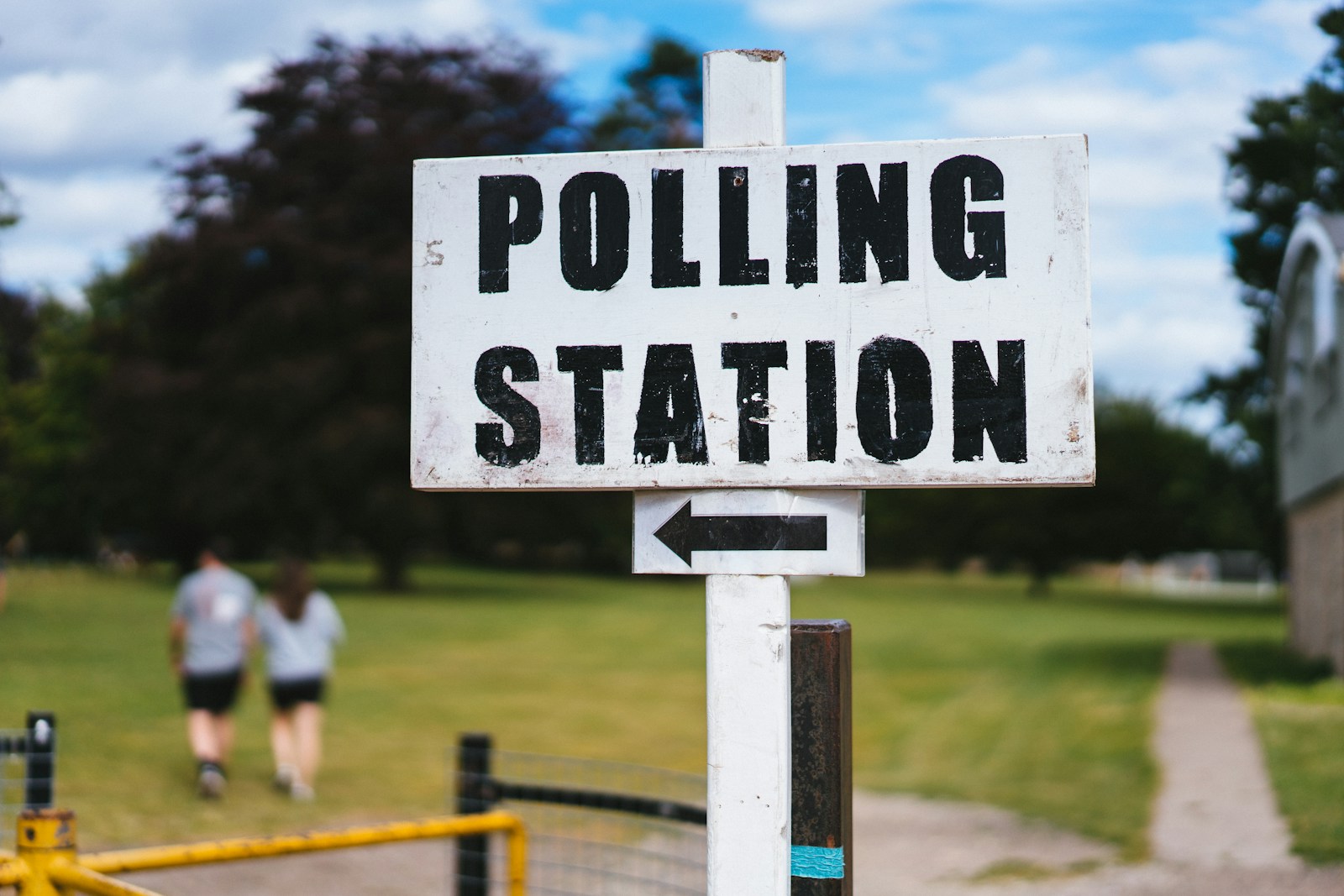
Alongside this uncertainty sits another crucial development: the shadow elections planned for 2027. These elections, which will establish the “shadow authorities” for the new councils, might sound procedural—but they will be hugely important. The councillors elected to those shadow bodies will serve for just a year before the new authorities formally take power, but in that short time, they will shape the entire future of local government in their areas.
Those elected in 2027 will set the tone, priorities, and structures for the councils that follow. Their decisions will determine how services are delivered, how communities are represented, and how new councils engage with residents. Though their term will be short, their influence will be long-lasting.
That is why we must treat these shadow elections with the seriousness they deserve. Change always presents opportunity, but it also carries risk. If we approach 2027 casually, others will seize the initiative. Reform will steal a march on us—and those elected to the new authorities will shape local government for a generation.
For Conservatives, this should be a call to action. The 2027 elections are a real opportunity to lead the conversation about what local government reform should mean in practice. We can and should ensure that the new structures reflect our values—financial responsibility, accountability to residents, and a focus on efficient, responsive local services. But to do that, we must start preparing now.
We need to identify, support, and return the best possible candidates to these shadow authorities—people of quality and integrity, who understand the communities they will serve and who are prepared to lead through change. These will not be ceremonial positions. They will be the architects of the new local government landscape. Their judgement and priorities will matter enormously.
And as 2027 approaches, we must work hard—harder than ever—to ensure we are ready. We cannot afford to allow others to set the agenda for us. Those who win the shadow elections will have a decisive hand in determining what kind of councils we inherit. Let that be a warning, and an incentive. The future of local government will be built by those who show up, who prepare, and who lead with conviction.
If we get the timing right, if we insist on financial clarity, and if we return the right people to these crucial roles, local government reform can be a force for good. But if we fail to prepare, we risk losing the chance to shape the very institutions that will govern our communities for years to come.
![Donald Trump Slams Chicago Leaders After Train Attack Leaves Woman Critically Burned [WATCH]](https://www.right2024.com/wp-content/uploads/2025/11/Trump-Torches-Powell-at-Investment-Forum-Presses-Scott-Bessent-to-350x250.jpg)
![Kamala Comes Unglued, Makes Bogus Claim About Her Landslide Loss to Trump [WATCH]](https://www.right2024.com/wp-content/uploads/2025/10/Kamala-Comes-Unglued-Makes-Bogus-Claim-About-Her-Landslide-Loss-350x250.jpg)