This post is adapted from Mr. Right’s weekly newsletter, which tackles modern manhood for normal guys in a not-normal world. If you have not already subscribed for free, please consider doing so here. If you’d like to drop a note, email us: mrright@dailycaller.com
With Black Friday comes sales and, much to our annoyance, a deluge of advertising ahead of Christmas.
Ads are everywhere all the time, of course, but something about this time of year feels like the ad industry has gone into turbo drive. Ads interrupting our football games, ads cropping up on social media, website homepages flooded with pop-ups – all of them are geared towards making us feel like we need something that we either already have or don’t really need at all. (Subscribe to MR. RIGHT, a free weekly newsletter about modern masculinity)
I’ve noticed something else going on in modern ads, and maybe you have, too. I see it mostly in ads targeting younger Zoomer or Millennials, particularly couples. Almost to a fault, these ads will feature couples trying to solve a problem, such as buying a used car. The product, of course, is the perfect solution.
But in most ads – the ones I’ve seen at least – the men are almost always portrayed as dorky goobers. They bumble around, completely incompetent and clueless. They never have any idea that there is an app for buying cars that makes the entire process (supposedly) easier and cheaper.

On the other hand, the women are always portrayed as being extremely competent. They have their s-h-*-t together. They chide their boyfriends or husbands for being idiots. And they are always the ones solving the problem with the product that is advertised.
It’s as if these ads have reversed typical gender roles: men are no longer the problem solvers; women are. Maybe that’s because the ads are specifically trying to target women, so depicting women as empowered in the ad may make them want to chase that feeling in real life by buying the product.
Of course, not all ads are like this. Luxury car ads, for example, are often more serious and will feature a happy, older couple riding together in a Mercedes to go pick up a Christmas tree. Their target audience is older, wealthier people, so that makes perfect sense. An ad with no absurd, flippant, or ironic Millennial and Zoomer humor that leans into more traditional roles will hit home for a Boomer. And there are still ads that try to make men feel empowered, such as ads for online sports betting platforms or lawn mowers, but these ads rarely depict men as married.
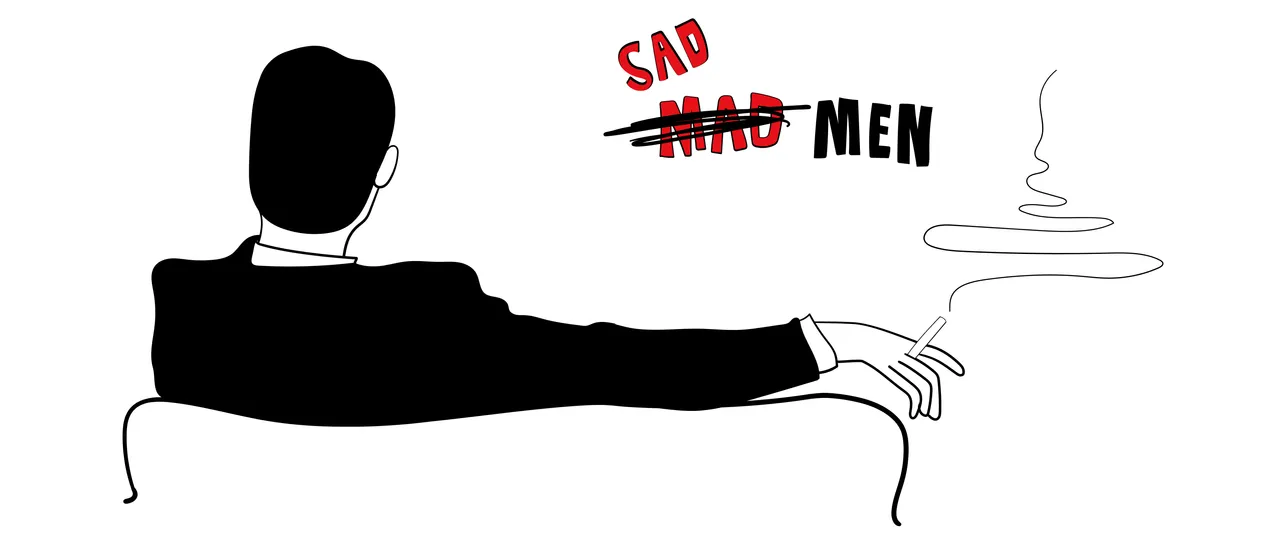
This also isn’t some doomsday trend, but it is interesting nonetheless and shows how much American culture has changed over the years. It got me thinking of the famous TV show Mad Men, which follows the lives of New York City advertisers through the 1950s and 60s. If the characters had to brainstorm a pitch involving a married couple buying a new car, the ad would probably be the exact reversal of what we see today: the husband comes home, parking a new Ford in the driveway as his wife, impressed, stands at the front door with the three kids and a golden retriever. It would be aspirational, and the man wouldn’t be sad.





![Donald Trump Slams Chicago Leaders After Train Attack Leaves Woman Critically Burned [WATCH]](https://www.right2024.com/wp-content/uploads/2025/11/Trump-Torches-Powell-at-Investment-Forum-Presses-Scott-Bessent-to-350x250.jpg)