The Christmas story: one of the best-known and best-loved stories of all. The angels who appeared to Mary and Joseph, the journey from Nazareth to Bethlehem, the virgin birth, the baby in the manger, the shepherds, the wise men, the enraged king, the flight into Egypt – every year we remind ourselves of Jesus’ birth and the events that surrounded it.
It’s a wonderful story, full of pathos, tension, tears, joy. But is it true? Lots of people would say, ‘of course not! It’s just a fairy story!’ They include many so-called Christian leaders – bishops, Bible scholars, theologians. For them, the accounts of Jesus’ birth are just myths and legends. So it’s refreshing when you come across a book which shows that the Christmas story fits perfectly into the historical situation of the times in which it’s set.
The professor and the papyri
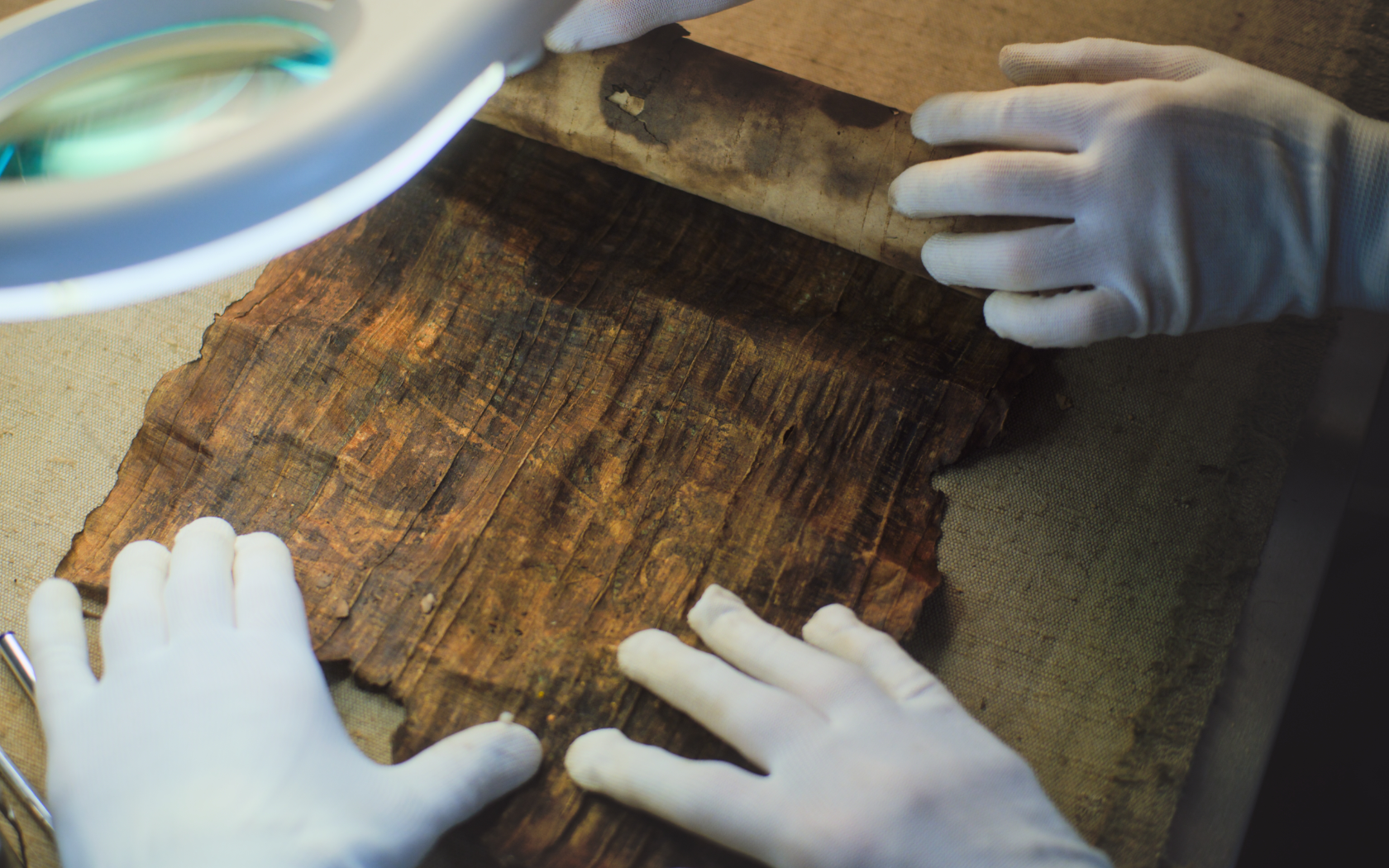
I read one such book recently. The author, Sabine Huebner, is a top-ranking historian, Professor of Ancient History at the University of Basel in Switzerland. Some historians specialise in the study of great events: the rise and fall of empires, the doings of kings and queens, the great battles that have changed the world. But Professor Huebner is more interested in everyday history: how ordinary people lived in ancient times, the jobs they did, the food they ate, the conditions in which they lived.