Lachlan Bruce is a Conservative councillor and a policy and public affairs manager at a British health charity.
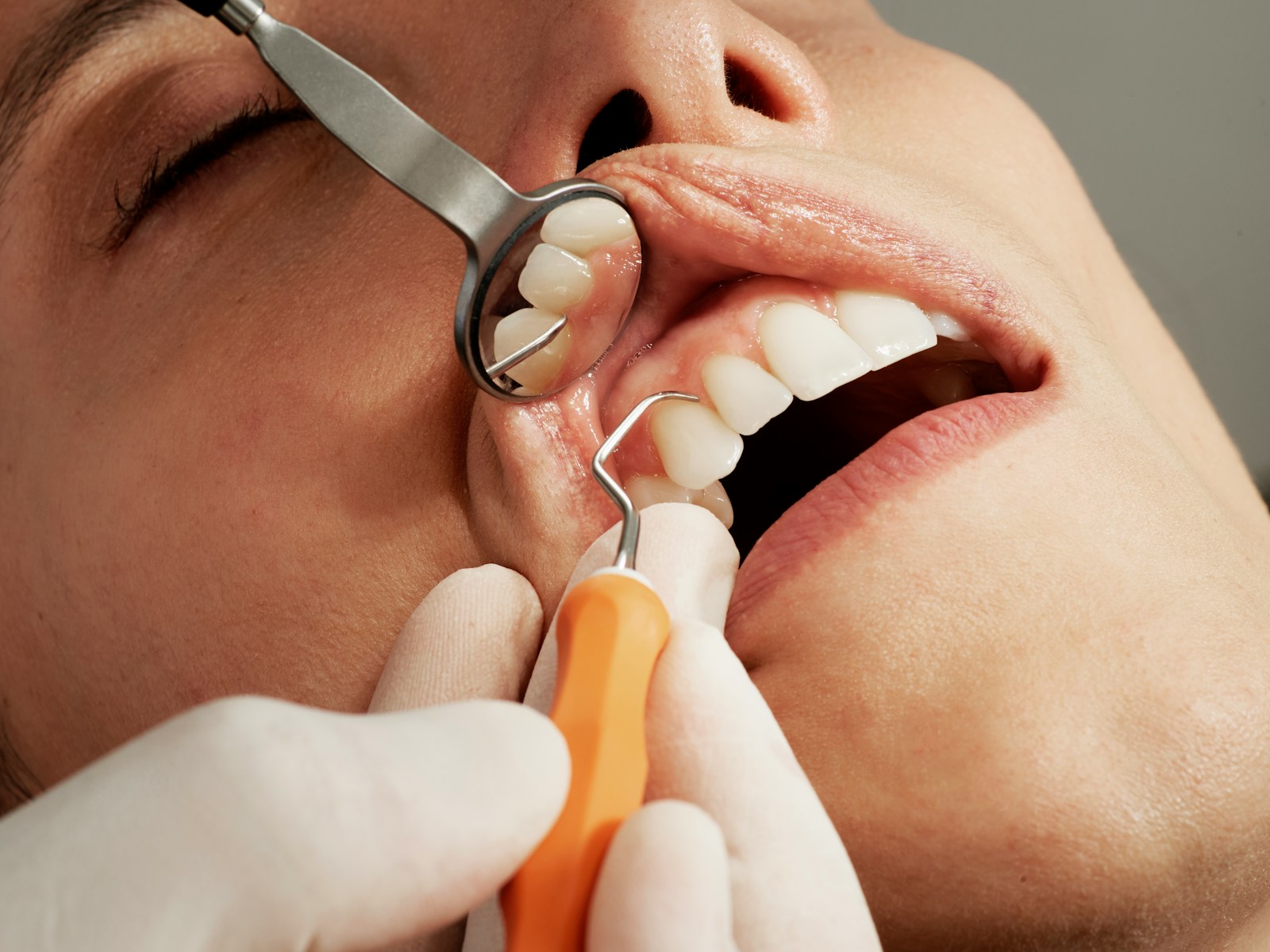
For most people, the NHS is not about complex treatments or major surgery. It is about the basics: getting a GP appointment, being seen in A&E within a reasonable time and ensuring you can see a dentist. Yet today, dentistry has become a clear symbol of state failure. A recent survey found that 26 per cent of those unable to access NHS dental care resorted to treating themselves.
If we want to restore public trust in government and demonstrate our party’s ability to deliver the fundamentals then fixing dentistry is a good starting point.
Dentistry isn’t optional healthcare — it is foundational
Public spending on dentistry totals around £3.7bn a year, yet dentistry has long been treated as peripheral to the NHS’s core mission. That view is no longer defensible. Poor oral health harms wider health, attainment, employability, diet, speech and confidence.
A contract that reduces access
Every UK nation has its own dental contract and each faces serious problems. I focus on England because its contract structure most clearly illustrates the underlying issue: when incentives are wrong, access collapses. It caps care and penalises complexity:
- Dentists are paid the same for 3 fillings as for 20.
- Practices that hit their annual quota must turn NHS patients away.
- Newly qualified dentists conclude that a long-term NHS career isn’t viable.
No public service should contain built-in incentives against treating those who need help most. Unsurprisingly, dentists prioritise low-needs patients over those with complex conditions. The contract must be replaced with one that rewards meeting clinical need.
Reform of the dentistry contract should be rooted in our core principles: the market, personal responsibility and innovation. A reformed contract should use incentives that increase access, expand capacity and reward dentists for treating those with complex needs. That means:
- Targeted incentives for taking on new NHS patients, especially in areas with the poorest access.
- Modernised, flexible contracts that remove activity caps.
- Responsible expansion of private insurance for routine or cosmetic care to free NHS capacity.
- Funding formulas based on need, not outdated historical allocations.
NHS dentistry spending works out at around £55 per person per year barely enough for a single check-up. No amount of new money alone will fix a system designed with the wrong incentives. Reform, not a blank cheque, is the only viable path. Conservatives should be honest: the state cannot treat everyone identically; it must focus limited resources on those with the greatest need, and the contract should reflect that.
This is not radical. It is common sense: using the market to align incentives with desired outcomes and deliver better value for taxpayers.
Workforce and delivery: breaking the bottlenecks
The challenges facing the dentistry workforce need to be tackled alongside contract reform. More than 5,500 NHS dental posts across the UK were unfilled as of April. Dental schools are ready to train more dentists, therapists and hygienists, but government caps prevent expansion. Meanwhile, many newly qualified dentists drift into private practice because the current contract makes NHS careers unattractive.
Regional inequality compounds the problem, areas across the UK have become “dental deserts”, where families travel hours for a single appointment.
We are also failing to use the workforce we already have well. Hygienists, therapists and dental nurses are restricted by outdated rules from practising to their full competency. Allowing them to take on appropriate examinations, preventative work and routine treatments would dramatically expand capacity and free dentists to focus on complex cases.
A Conservative plan should:
- Expand training places for dentists, therapists and hygienists, with NHS tie-ins to support retention.
- Allow dental care professionals to work to full scope, aligning practice with NHS England’s own guidance.
- Deploy mobile dental units to rural, coastal and remote communities where fixed practices are not viable.
These reforms reflect Conservative principles: innovation, flexibility and smarter use of resources, not more bureaucracy.
Lowering Long Term Demand
Prevention must also play a role as the only sustainable way to reduce long-term pressure on dentistry. The evidence is clear: tackling problems early, particularly in deprived communities, saves money later and keeps people out of expensive emergency care. But prevention is not something that can be imposed from Whitehall. It is rooted in responsibility, routine and behaviour — habits shaped in families and communities, not dictated by a centralised bureaucracy.
A Conservative approach should therefore focus on empowering people, not micromanaging them. That means giving parents clear, practical guidance; use digital tools to support good habits; and maintaining and expanding fair co-payments for those who can afford them so that resources are directed to the most in need. Prevention works best when delivered locally through councils, schools, health visitors and community groups, not through new layers of Whitehall control. Taken together, our aim should be to strengthen personal responsibility, protect scarce resources, and help people stay healthy without expanding the state.
Restoring seriousness and rebuilding trust
When people talk about the healthcare, they rarely talk about White Papers or five-year plans. They talk about whether they can get an appointment. Dentistry now comes up everywhere because it affects everyday life.
If we want to show that the Conservatives are serious again about governing, about long-term thinking, about fixing the fundamentals then confronting the dental crisis is essential.
Serious politics requires honesty: prioritising clinical need, reforming contracts, investing in prevention, and using the workforce better.
Kemi Badenoch has shown that opposition is not an excuse for short-term politics but an opportunity for long-term leadership. Dentistry is a case in point. Reforming the contract, rebuilding capacity and strengthening prevention are not quick wins, but they are the right choices. They would demonstrate that Conservatives are prepared to govern with responsibility, fairness and long-term purpose.
Fixing dentistry alone will not win the next election. But it will demonstrate something vital: that the Conservative Party is serious again, ready to confront problems that have been ignored, to prioritise wisely and to deliver the essentials families rely on every day.
That is how trust is rebuilt. And that is where renewal begins.





![Donald Trump Slams Chicago Leaders After Train Attack Leaves Woman Critically Burned [WATCH]](https://www.right2024.com/wp-content/uploads/2025/11/Trump-Torches-Powell-at-Investment-Forum-Presses-Scott-Bessent-to-350x250.jpg)