
By Tyler Arnold
Washington, D.C. Newsroom, Dec 3, 2025 /
16:42 pm
Catholics and pro-life conservatives joined a broad coalition of more than 50 organizations seeking to end the death penalty in the United States amid the 2025 surge in executions.
Leaders of the coalition, the U.S. Campaign to End the Death Penalty (USCEPD), said they hope the coordinated team can abolish the death penalty in states where it is still practiced. Capital punishment is still on the books in 27 states, but just 16 have executed prisoners over the past decade.
The group’s goals include working with Democrats and Republicans to pass state-level laws that end the use of capital punishment, reducing the imposition of the death penalty in jurisdictions where it remains legal, and increasing awareness about the risk of executing innocent people, the lack of fairness in the system, and the harms inflicted on everyone affected by the death penalty.
In 2024, there were 25 people executed in the United States. In 2025, there have already been 44 executions, and three more are scheduled this month. Florida executed one person in 2024 and has already executed 17 people in 2025. Another two people are scheduled for execution this month.
At the same time, public support for the death penalty hit a 50-year low in 2025, with about 52% of Americans supporting its use and 44% opposing it, according to Gallup, which is a sharp decline from the 1980s and 1990s, when support was above 70% most years. Juries are also less likely to give out death sentences.
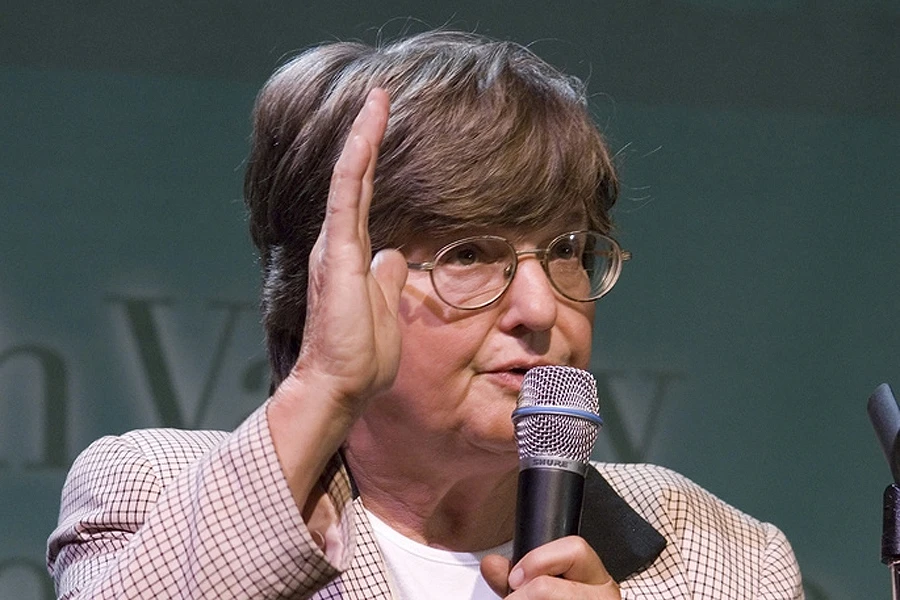
Sister Helen Prejean, who serves on the advisory council of the coalition, said in a Dec. 3 news conference that the death penalty functions as a “semi-secret ritual behind prison walls” and that “when people are separated from this experience, they just go along [with it].”
She discussed her activism in Texas against the execution of Ivan Cantu in 2024 and noted that “people in Texas did not even know an execution was going on.” She said if people have better information, “they will reject that.”
Prejean quoted Psalm 85:12, which says “truth will spring from the earth,” and added that it also “springs up from the experience of people.”
“When we bring them close, they get it,” she said.
Prejean said people who are poor and people who are ethnic minorities tend to face harsher penalties in the criminal justice system, and there is an inaccurate belief that “only the worst of the worst” will be handed the death penalty.
“To give the state the right to take life means you’re going to trust the state,” she said.
One of the group’s partners is the Catholic Mobilizing Network, which works closely with the United States Conference of Catholic Bishops to oppose the death penalty. Other organizers include Amnesty International USA, the American Civil Liberties Union, The Innocence Project, and Conservatives Concerned.
Catholic Mobilizing Network Executive Director Krisanne Vaillancourt Murphy told CNA in a statement that the campaign “is an exciting expression of the growing momentum and interest in ending capital punishment in the United States.”
“The impressive range of organizations involved in the USCEDP represent the incredibly effective efforts happening across the country for this critical mission,” she said. “Catholic Mobilizing Network is honored to be part [of] USCEDP and our collective endeavor to dismantle a system of death and honor the dignity of all life.”
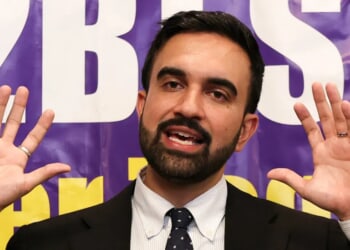
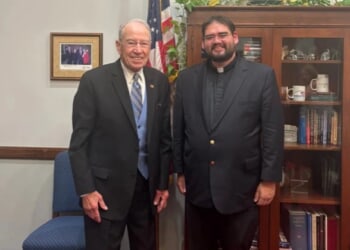
Demetrius Minor, executive director of Conservatives Concerned, said in the news conference that there’s been a growing concern about the death penalty “from a pro-life perspective” within conservative circles.
“[There is a] significant growing interest in the pro-life community into how the death penalty fits into their advocacy for pro-life issues,” he said.
(Story continues below)
Subscribe to our daily newsletter
Minor said many state-level bills to abolish the death penalty have won bipartisan support, such as a few Republicans joining the successful effort in Virginia and Republicans signing onto unsuccessful efforts in Ohio, Pennsylvania, and Indiana.
“We can ensure that these efforts continue to be inclusive and bipartisan in the future,” he said.
In addition to national advocacy groups, state-level groups in 23 states have joined the coalition’s efforts.

Tyler Arnold is a staff reporter for Catholic News Agency, based in EWTN News’ Washington Bureau. He previously worked at The Center Square and has been published in a variety of outlets, including The Associated Press, National Review, The American Conservative, and The Federalist.