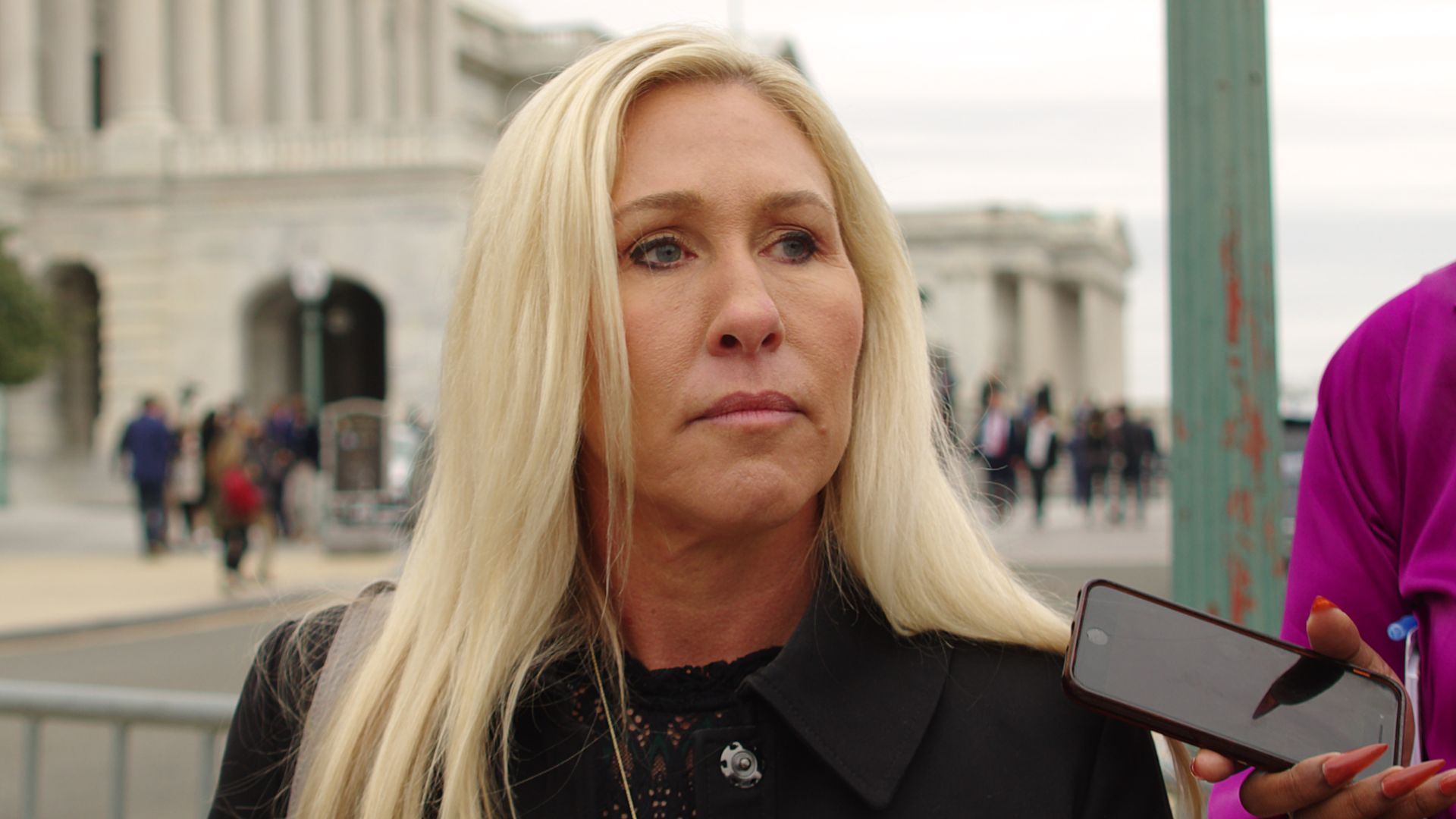
The decisions by Reps. Marjorie Taylor Greene of Georgia and Nancy Pelosi of California to retire from Congress have focused new attention on the taxpayer-funded pension system available to former lawmakers — a program that cost roughly $38 million in 2022 alone, according to Congressional Research Services, as reported by The New York Post.
Greene and Pelosi are among a record number of lawmakers leaving office next year. Their departure dates also highlight how the system functions and how lawmakers qualify.
Under federal law, members of Congress become eligible for annual pension benefits only after completing five full years of service.

Demian Brady, vice president of research for the National Taxpayer Union Foundation, noted that Greene, who began serving on Jan. 3, 2021, and will leave office on Jan. 5, 2026, selected a retirement date that gives her just enough time to meet the vesting requirement.
“I can’t read her mind, but it certainly seems as if it was timed to make sure she got vested,” Brady said. He added, “She wasn’t in there for very long. So it’s not a huge pension, but it’s a little extra that she’s going to get.”
Using the Federal Employees Retirement System (FERS) formula, Brady estimated that Greene will begin receiving $8,717 per year at age 62. Based on actuarial projections, her total lifetime pension payouts could exceed $265,000.
Pelosi, who entered the House before reforms made congressional pensions less generous, will receive a far larger annual amount. Brady described her expected pension as “one of the most substantial” in FERS.
This Could Be the Most Important Video Gun Owners Watch All Year
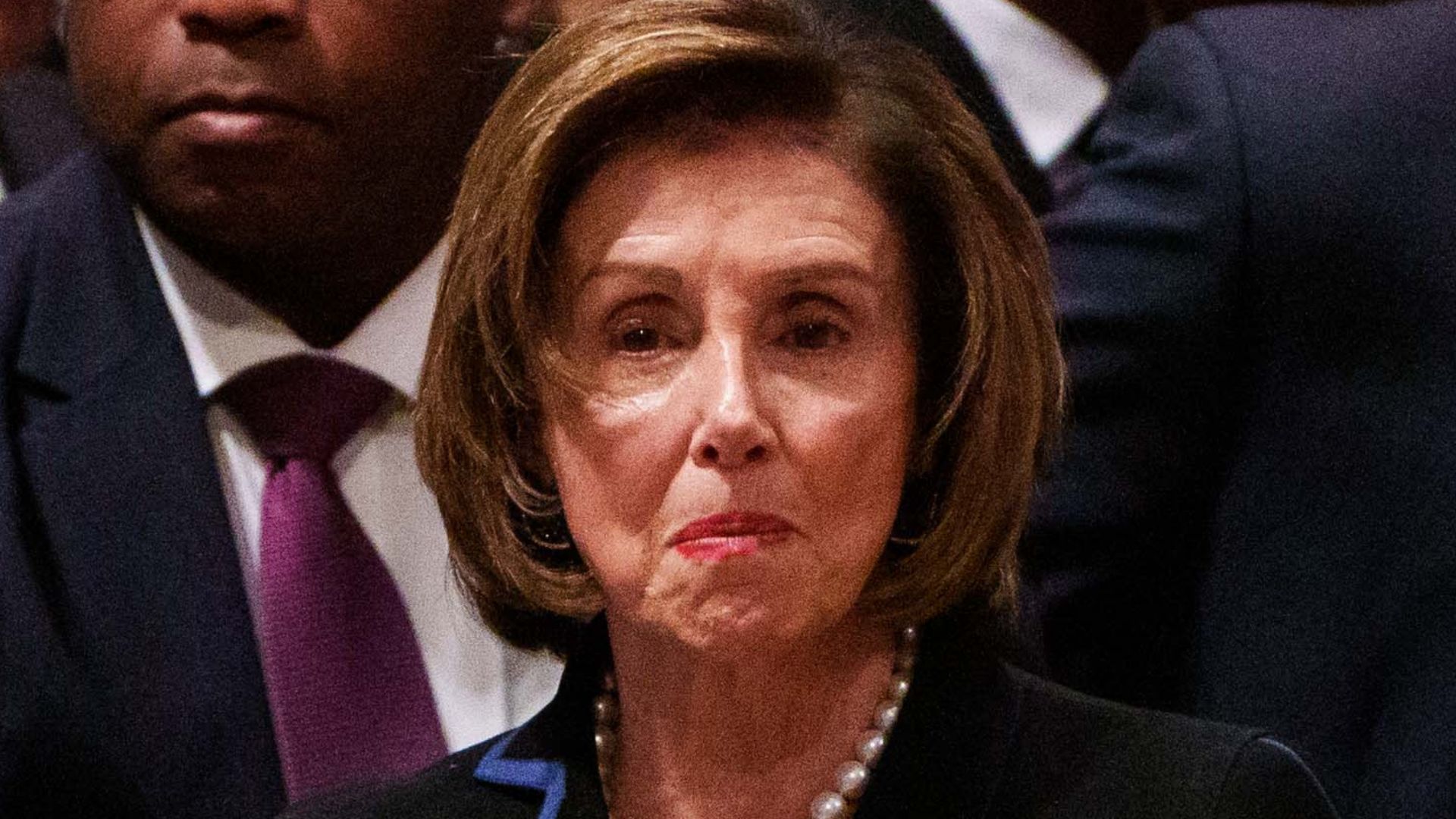
After nearly 40 years in Congress — including serving as House speaker — Pelosi is estimated to begin collecting $107,860 per year in 2027.
The broader system includes two pension tracks: FERS, which covers members who entered service after 1984, and the older Civil Service Retirement System (CSRS), now closed to new lawmakers.
In 2022, former members collected an average of $45,276 under FERS, while 261 remaining CSRS enrollees received an average of $84,504. In 2018, with more CSRS participants still active, total pension payouts exceeded $53 million.
Rep. Thomas Massie of Kentucky, a longtime advocate for ending congressional pensions, defended Greene’s participation in the program while pushing for reform.
“Senators can opt out of paying into FERS but Representatives may not,” Massie said.
“So Representative Greene was unable to decline participation in FERS. If a member is required to pay into the program, they should be able to receive it.”
Massie said he plans to “reintroduce soon” legislation to eliminate House eligibility for FERS and to make participation optional.
He argued that members of Congress should save for retirement the same way private-sector workers do.
“If congressmen want to save for retirement, they should do so with 401(k)-type plans, rather than rely on taxpayers to take care of them even after leaving Congress,” Massie said.
“To tackle out-of-control federal spending, Congress must lead by example by ending defined-benefit pensions for Members of Congress.”
Florida Gov. Ron DeSantis, who served in Congress beginning in 2013, publicly declined his own eligibility at the time and reasserted his position following Greene’s announcement.
“I didn’t run for Congress for the perks,” he said in 2013. Last week he reiterated on X, “The important thing is to reform the system for everyone, namely, by ending congressional pensions.”
DeSantis also highlighted that lawmakers receive retirement benefits through the Thrift Savings Plan.
“How many private sector workers get a pension and a 401k? End Pensions in Congress,” he wrote. He added that his earlier legislation to eliminate pensions “did not get a terribly warm reception among the members.”
Thanks for the correction.
I declined the pension the day I took office. I don’t begrudge others who made a different choice. The important thing is to reform the system for everyone, namely, by ending congressional pensions. https://t.co/uac6oHpQbj
— Ron DeSantis (@RonDeSantis) November 24, 2025
Brady said the biggest obstacle to reform remains the lawmakers themselves. “I think the big roadblock are career politicians,” he told The Post.
With decades spent in public office, he said many intend to keep the pension benefits.
He noted that while Greene’s retirement date may not directly advance reform efforts, it has “raised a lot of awareness” about how the program operates.
Greene and Pelosi did not respond to requests for comment.
The opinions expressed by contributors and/or content partners are their own and do not necessarily reflect the views of LifeZette. Contact us for guidelines on submitting your own commentary.





![Donald Trump Slams Chicago Leaders After Train Attack Leaves Woman Critically Burned [WATCH]](https://www.right2024.com/wp-content/uploads/2025/11/Trump-Torches-Powell-at-Investment-Forum-Presses-Scott-Bessent-to-350x250.jpg)