Hi, I’m George Gerbo and welcome to Washington Times Weekly, where we get a chance to sit down with our reporters and talk about their coverage of the latest news and events.
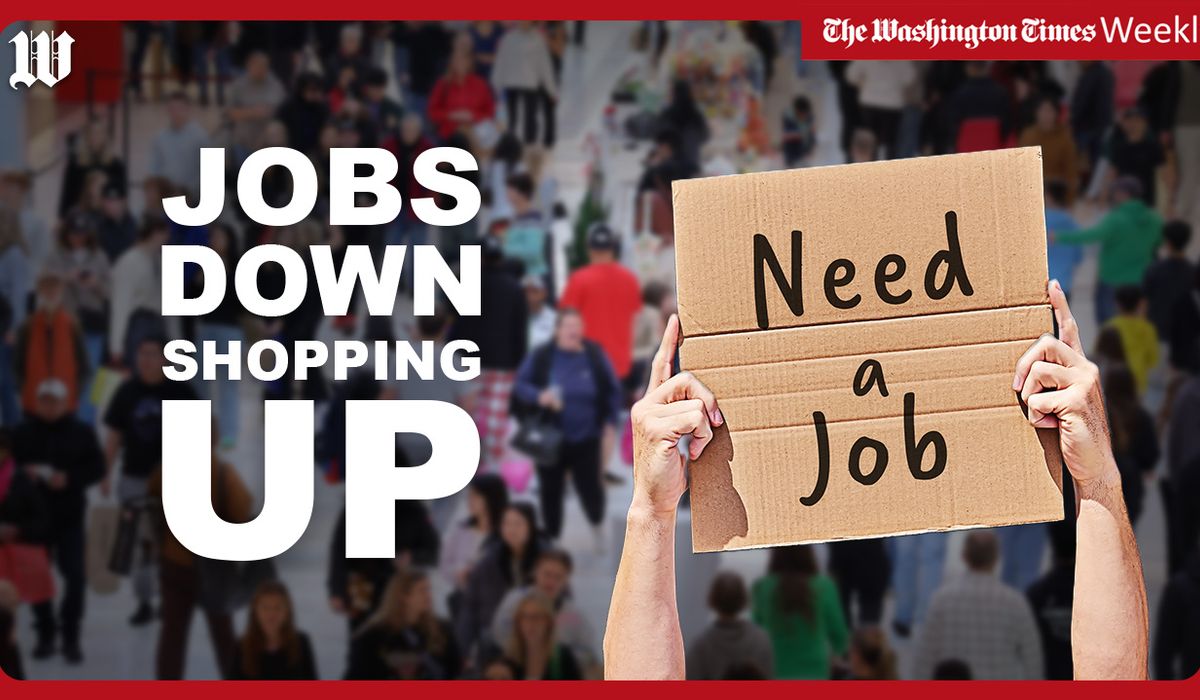
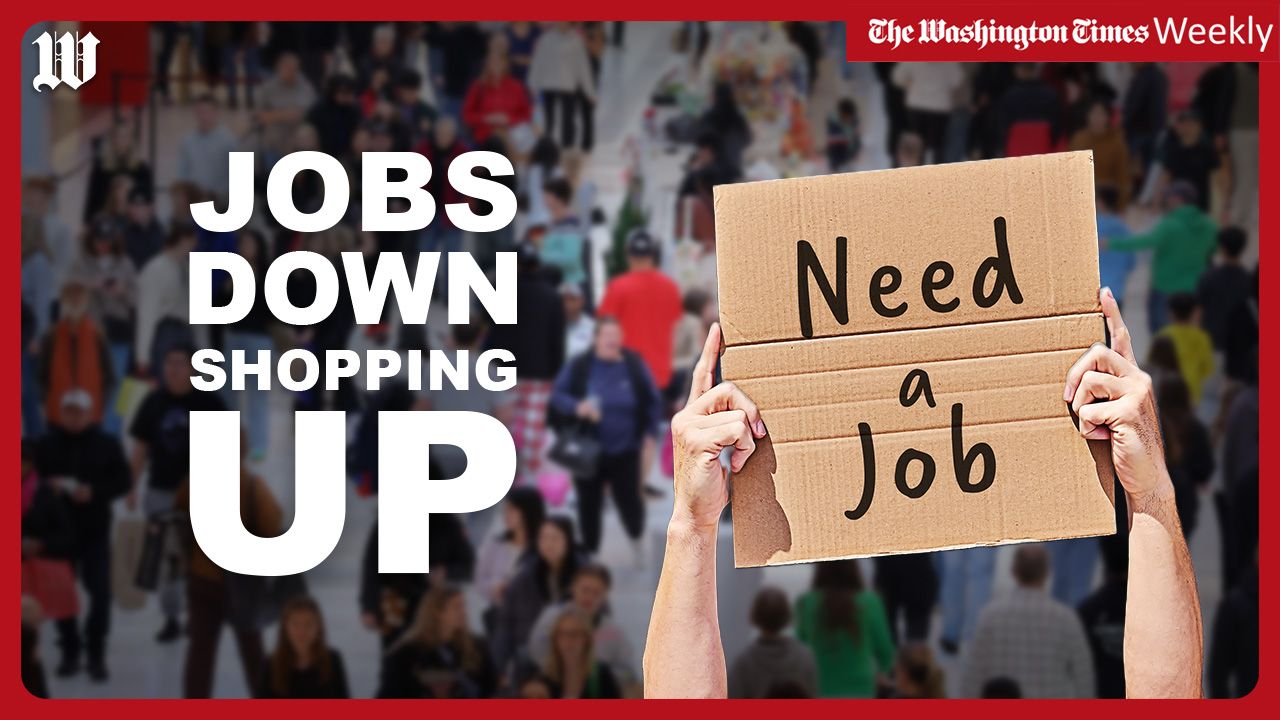
[GERBO] Let’s get started with some of these latest economic numbers. Layoffs now have exceeded more than a million so far this year, the highest mark since the 2020 pandemic, according to the Challenger, Gray and Christmas consulting firm. Add into that, Tom, an unexpected dip in private payroll. Those numbers down 32,000 from ADP, the payroll company that tabulates those numbers. What is driving those trends in downward employment? And is there a bigger overall economic arching factor in those numbers?
[HOWELL] Yeah, it seems to be a confluence of factors. We saw it really emerge in some of the reports we saw over the summer and now heading into the fall. The Challenger report that you just mentioned said restructuring is one thing. Companies are simply cutting costs. Inflation’s been stubborn. There’s a lot of uncertainty out there, especially around tariffs, which do add costs in some instances, so they’re finding ways to trim the fat. You can almost think of it as sort of the DOGE effect, you know, what we saw at the federal level. Many companies are looking to do that, create more value. There’s also the elephant in the room, AI. To what extent is that taking over? Some white-colored jobs, recent college graduates who pursued programming degrees and now have a hard time, which is somewhat unexpected and cuts against the grain. That had been a fear. Now some people are wondering, is it coming true? It’s a bit early. The AI space is growing, changing all the time. We’ll see what happens. I think those are some of the factors you’re seeing right now.
[GERBO] And tied into employment sagging, manufacturing also sagging. It’s contracted now for the ninth straight month, down a half percentage point, 48.2% last month in November, according to the Institute for Supply Management. You’re still waiting if you’re, you know, the White House and certain economic advisors like Kevin Hassett to see what the longer term effect of this tariff war and the trade wars that we’ve been having. But at least it feels like in the interim here and in the short term, Tom, that the early indications are that American manufacturing isn’t necessarily beefing up its demand and response in relation to any sanctions that are going on overseas against other countries.
[HOWELL] Yeah, it’s interesting. We’re still only in Trump’s first year, but he ran on rejuvenating Made In America, U.S. manufacturing. It was very much a central plank and it still is. It’s part of his tariff plan. You make foreign goods less desirable. Say, hey, there’s no tariff on goods made here in the U.S. He’s using the threat of tariffs to get South Korean companies, Japanese companies, big automakers to open factories. But at the same time, we’re seeing the manufacturing jobs go down. And what we’re hearing is that some of these factories, there’s a presumption that for some things, you just trade with other countries for them, including your inputs, the things you use to make things here in America. So if those costs go up, you have cost pressures on you. The Trump administration is saying, give us time, just wait. We say next year, 2006, it’s going to be a big year for securing these new investments, construction’s up, the factories are coming. And they see next year, the big patriotic year, 250th birthday, as this big booming year. Some of the tax provisions kick in from the One Big, Beautiful Bill. So they’re really banking on that.
I think investors and others are like, well, okay, prove it. The tariffs are also going to hit full swing. And we have the Supreme Court decision about whether a large chunk of those tariffs even remain in place. So a lot of unknowns here, a lot of boldness on the part of the administration. We’ll see what happens in the coming months.
Watch the video to see the full conversation.

![Donald Trump Slams Chicago Leaders After Train Attack Leaves Woman Critically Burned [WATCH]](https://www.right2024.com/wp-content/uploads/2025/11/Trump-Torches-Powell-at-Investment-Forum-Presses-Scott-Bessent-to-350x250.jpg)
![Texas Trucker Busted with 23 Illegals Stuffed into the Cab of His Big Rig [WATCH]](https://www.right2024.com/wp-content/uploads/2025/12/Texas-Trucker-Busted-with-23-Illegals-Stuffed-into-the-Cab-350x250.jpg)