Sam Hall is Director of the Conservative Environmental Network.
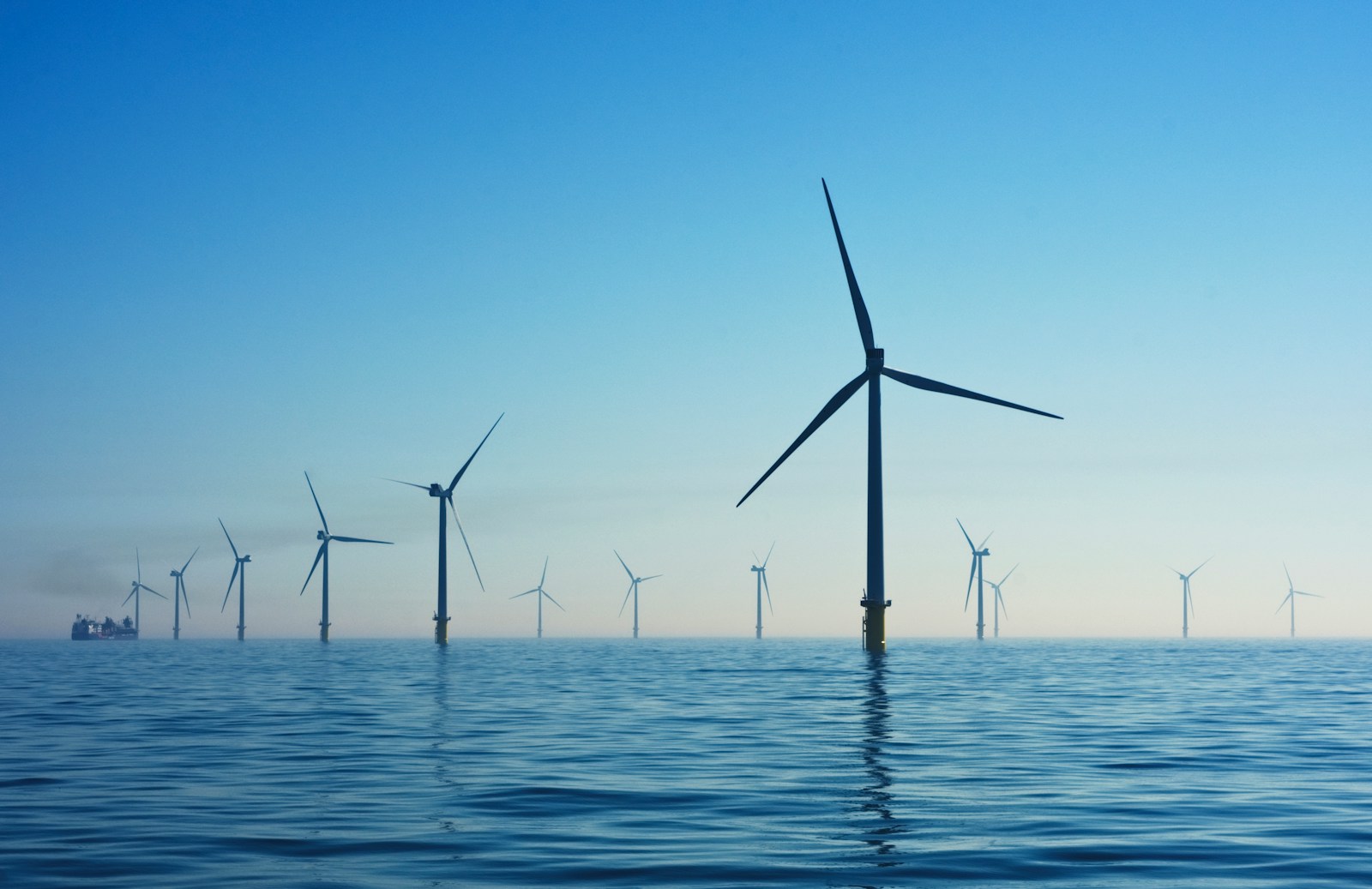
Today marks the 25th anniversary of the first offshore wind farm to come into operation off the coast of Blyth, the first of the 45 offshore wind farms that have sprung up across Britain.
This growth was delivered almost entirely by Conservative governments stimulating private investment into the sector. This market-driven approach not only helped mitigate the impact of the gas price spike following the Russian invasion of Ukraine but also ensured offshore wind delivered better value for money for taxpayers over successive auction rounds and brought tangible economic benefits to coastal areas. We should be more vocal about celebrating this legacy, as well as acknowledging mistakes.
We cannot be blind to the challenges facing Britain. High energy prices are hitting households and holding back British industry, exacerbating the cost of living and restricting economic growth. In office, the party failed to build enough grid infrastructure, were too slow on building firm clean power, added too many policy costs to electricity bills, and were not bold enough on market reform.
Labour is failing to get to grips with the situation. Even with the sticking plaster subsidies announced in the Budget, their promise of cutting energy bills by £300 looks hopeless. Their impossible 2030 Clean Power target will likely drive up energy prices further by squeezing out competition, surrendering negotiating leverage, and locking in the currently high costs. Rising electricity bills not only hurt economic growth, but will also undermine our ability to decarbonise, as they weaken the incentive for households to switch to green technologies like EVs and heat pumps.
The upcoming renewables auction – Auction Round 7 (AR7) – is a clear example of Labour taking the wrong approach and making things worse. With gas prices coming down and offshore wind prices increasing because of high inflation and interest rates, the strike price agreed with offshore wind companies is unlikely to be favourable to bill payers. But as Milliband is desperate to hit clean power by 2030, he is going all in on AR7, maxing out the budget and locking us into higher-cost projects instead of restricting the budget, enabling competition, and letting the grid catch up.
Kemi by contrast is asking the right questions when it comes to energy. She is prioritising cheap electricity, wants to cut red tape to make it easier to build new nuclear, and is calling for an end to the windfall tax on oil and gas companies to boost energy investment.
But achieving energy security and affordable bills does not have to be mutually exclusive with growing our offshore wind sector. At the right price, it still has potential to reduce our reliance on imported fossil fuels and deliver cheap, clean energy to households and businesses. But this requires cutting red tape, dropping arbitrary clean power targets, and harnessing markets and price signals to eliminate waste.
Voters want cheap energy above all, but they also clearly want clean energy. If the party can set out a credible plan to lower the cost of offshore wind, Conservatives will be rewarded at the polls. Renewables can help win over voters from all sides of the political spectrum, as new polling by Opinium for the Conservative Environment Network shows.
Firstly, 61 per cent of voters said they are either unsure or do not believe Keir Starmer or Kemi Badenoch can reduce energy bills. This means there is still enormous potential for Kemi to dominate this agenda and win over people’s trust with a credible plan.
And, if Kemi wants to win back voters who left the party in 2024, then support for renewables can play a role. In fact, the majority of those who left the party, including 51 per cent who voted Reform and 71 per cent of those who voted Labour, want more renewable energy. You wouldn’t think it from how Nigel Farage and Richard Tice talk about renewables, but if you ask 2024 Reform voters their thoughts on renewable energy, 49 per cent support it, whilst only 22 per cent oppose it, which is virtually the same support for nuclear (49 per cent support, whilst 16 per cent oppose).
This doesn’t mean Kemi should only focus on renewables. That is the mistake Ed Miliband is making, and it’s not a serious or balanced energy policy. Swing voters sensibly back an all-of-the-above strategy. Fifty-one per cent of voters who abandoned the Conservatives to Labour and 71 per cent who went to Reform don’t want North Sea oil and gas to be shut down immediately. Additionally, 53 per cent of these Labour switchers and 56 per cent of the Reform switchers also want more nuclear.
But this goes beyond just voters who abandoned the party in 2024. A plurality of voters for all parties want to hear from politicians about renewables, including 52 per cent of Conservative voters, which is interestingly slightly more than 49 per cent who said nuclear. Even 42 per cent of Reform voters want to hear more about renewable energy, compared to just 24 per cent who want to hear less.
Voters are extremely worried about energy security and rising energy bills, and they want more domestically produced energy of all kinds to tackle the problems.
But it is one thing to say you support renewable energy, it is another to deliver it in the right way. And as Ed Miliband has shown, there is certainly a wrong way; it cannot be about ever more state intervention and arbitrary deadlines that negatively impact energy bills.
This statist approach of Labour’s has echoes in Reform’s energy policies. There is nothing conservative about the cancellation of legally binding contracts, which would destroy investor confidence in the UK and cost billions of taxpayers’ money in compensation. Nor is there anything free market about banning energy technologies you don’t like or taxing farmers who host renewable energy.
Kemi’s priorities are right – we have to tackle sky-high electricity bills, accelerate the buildout of new nuclear, and incentivise investment into the energy transition from oil and gas firms rather than drive them out of business. But renewables are popular and can – if done in a conservative way – contribute to an affordable, homegrown energy mix.
As always, conservatives shouldn’t pick favourites. But having now set out policies on the North Sea and nuclear, we must now go further and create the environment for all energy businesses to thrive by investing their own money. Instead of shunning renewables, we should seek to rehabilitate them into a sector with falling costs. If we can do this, the party will have not only a credible solution to the energy crisis, but a popular one.





![Donald Trump Slams Chicago Leaders After Train Attack Leaves Woman Critically Burned [WATCH]](https://www.right2024.com/wp-content/uploads/2025/11/Trump-Torches-Powell-at-Investment-Forum-Presses-Scott-Bessent-to-350x250.jpg)