
Ottawa, Canada, Dec 8, 2025 /
09:30 am
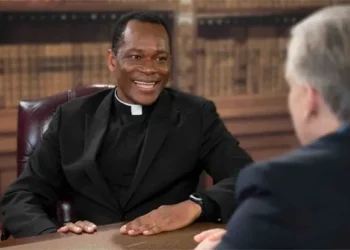
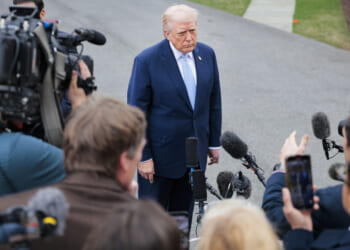
The Canadian Conference of Catholic Bishops (CCCB) and Toronto’s Cardinal Francis Leo are urging Prime Minister Mark Carney to withdraw the Liberal Party’s reported agreement with the Bloc Québécois to remove religious-belief exemptions from Canada’s hate-speech laws.
In a letter published Dec. 4, CCCB President Bishop Pierre Goudreault of Sainte-Anne-de-la-Pocatière warned that repealing Section 319(3)(b) of the criminal code — which protects good-faith expressions or opinions based on religious texts from hate-speech prosecution — would have a “chilling effect on religious expression.”
“The removal of this provision risks creating uncertainty for faith communities, clergy, educators, and others who may fear that the expression of traditional moral or doctrinal teachings could be misinterpreted as hate speech and could subject the speaker to proceedings that threaten imprisonment of up to two years,” Goudreault wrote.
The CCCB urged the government to retain the religious-text defense.
Alternatively, the bishops proposed two steps: a public assurance that “good-faith religious expression, teaching, and preaching will not be subject to criminal prosecution under the hate-propaganda provisions,” and mandatory consultation with religious leaders, legal experts, and civil-liberties groups before any changes affecting religious freedom.
Leo echoed the concern the next day in a letter to Toronto Catholics that he shared with members of Parliament (MPs) in the archdiocese. “As Catholics, we must always firmly reject all forms of hatred and discrimination,” he wrote. But “the ability to express and teach our faith freely — without fear that sincere, good-faith proclamation of the Gospel might be misunderstood as unlawful — is a cornerstone of a healthy, democratic Canada.”
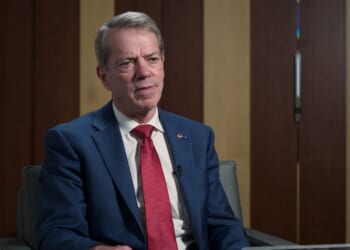
Conservative MP Andrew Lawton welcomed the bishops’ intervention. He said he was “very happy to see” the letter and similar concerns raised “from members of the Jewish community, Muslim community, and Indian religious traditions such as Sikhs or Hindus. All people of faith need to understand that this will target everyone.”
Lawton had been scheduled to attend a justice and human rights committee meeting Dec. 4 on a proposed amendment to the Liberals’ Combatting Hate Act (Bill C-9). The bill would criminalize intimidation or obstruction outside institutions used by faith-based groups and ban the public display of certain terrorism or hate symbols.
The meeting was canceled by Liberal chair James Maloney, who told media he wanted members “to regroup to find a path forward.” Maloney became chair after former chair Marc Miller was appointed minister of Canadian Identity and Culture on Dec. 1.
After the cancellation, Lawton told The Catholic Register the Liberals were “refusing to say on record where they stand on this amendment to strip away religious protection and freedom,” adding that the lack of clarity “leav[es] tremendous uncertainty surrounding people of faith and what the future looks like.”
Liberal MP Leslie Church, however, accused the Conservatives of “bad faith sabotage and delay dressed up as consultation,” claiming in the House on Dec. 4 that Lawton had been filibustering the committee.
“The Liberals are the ones controlling when the committee meets and for how long, so there is no argument that we are the ones obstructing here,” Lawton responded. “We have grave concerns with this bill, but the only way to deal with those is on committee.”
Lawton also pointed to comments Miller made Oct. 30 while chairing the committee: “Clearly, there are situations in these texts where these statements are hateful. They should not be used to invoke, or be a defense, and there should perhaps be discretion for prosecutors to press charges.”
Bloc Québécois Leader Yves-François Blanchet suggested the Liberals canceled the meeting because “the Liberals fear a backlash against them.” He repeated that Bloc support for Bill C-9 depends on removing the religious exemption.
The Bloc’s stance reflects a wider push for secularism in Quebec. Bill 9, introduced Nov. 27 by the provincial government, would ban prayer in public institutions and on public property, restrict religion-based meals, and forbid religious symbols in public communications.
Parliament is set to rise for the Christmas recess on Dec. 12 and sit again Jan. 26.
(Story continues below)
Subscribe to our daily newsletter
This story was first published in The B.C. Catholic from Canadian Catholic News, has been reprinted here with permission, and has been adapted by CNA.

Quinton Amundson is a Calgary-based reporter for The Catholic Register.