In September, the pollsters More in Common showed that Labour still had a huge lead among those who had been to independent schools. It did very badly among those who went to comprehensives and even worse when looking at the old grammar school cohort. That reflects a lot of other polling that shows Labour doing much better among the “rich” – social groups A B and C1 – than the “poor” – C2 D and E. Like many aspects of the class system, this is a bit of a joke as it would categorise plumbers as being poor – but it gives a general idea.
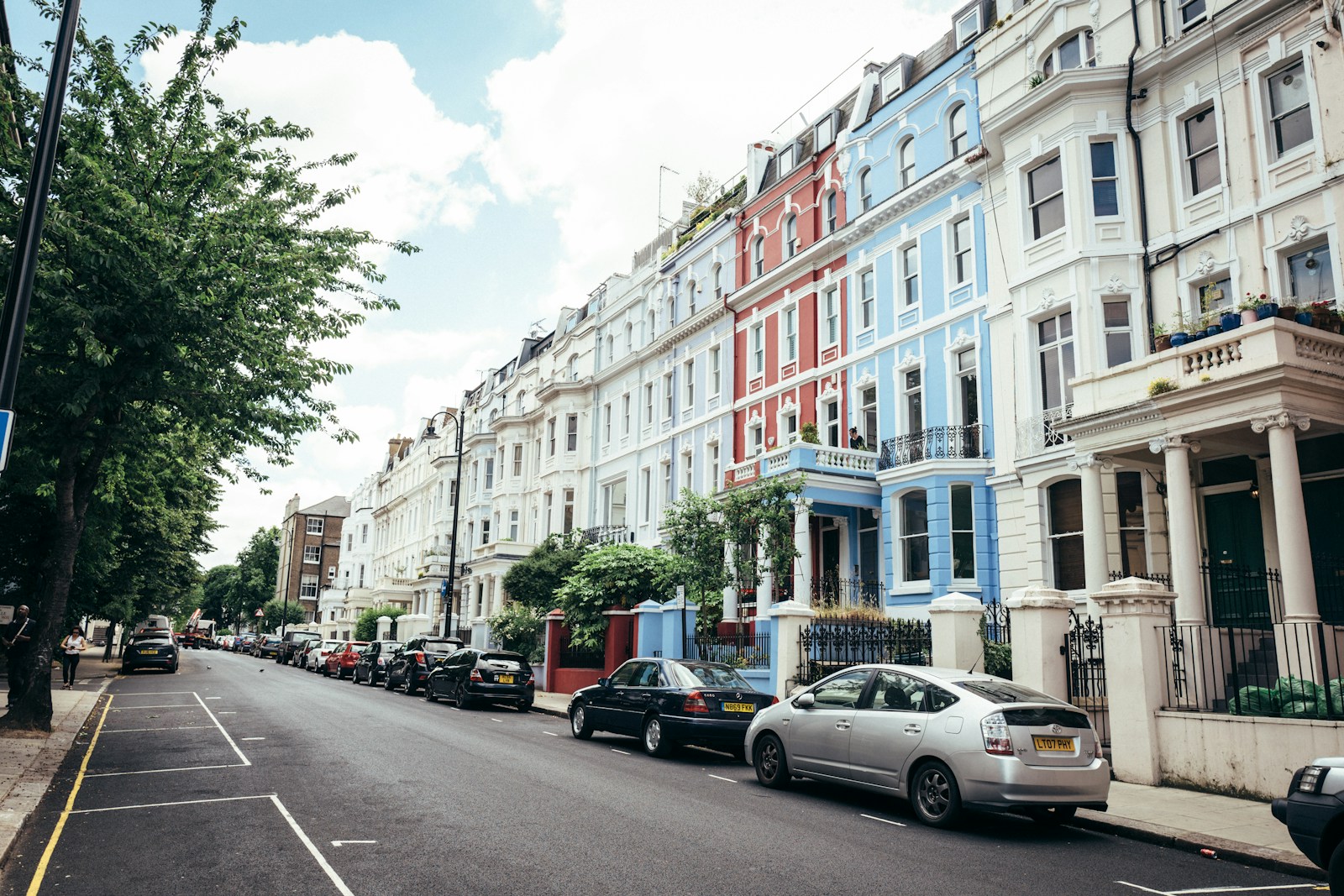
The other bright spot for Labour is among Londoners. Polls still show them well ahead here, despite the awful record of the City’s Mayor, Sadiq Khan. The latest YouGov polling has London as the only UK region with Labour still in the lead. So rich Londoners are Labour’s core vote. So it is rather heroic of the Party to declare war on them by introducing a “mansion tax.” Properties in England worth over £2 million are set to be penalised with an annual surcharge of at least £2,500 from 2028. For many people, it will be worse than the version the Lib Dems proposed when Nick Clegg was leader. That proposal was also aimed at homes over £2 million – but a decade ago that applied to fewer than 100,000 properties. It was also proposed as one per cent of the value over £2 million. So if, say, your house was valued at £2.1 million, you had to pay an extra thousand pounds. Now, if it’s only just over £2 million, the levy is £2,500. I suppose such people could try to reduce the value by bricking up a window, as householders did three hundred years ago to reduce the Window Tax.
Our ordinary terraced house should be safe from the Reeves Terror, as we are in the rougher part of north Fulham. But cross the Lillie Road into swanky SW6 and as you head towards the River, then similar properties hit the danger zone. The same applies to many other streets in London – not just Chelsea and Belgravia but Hackney and Islington.
The absurdity of the “mansion tax” label is that some council houses will be in the band. But given a special exemption. The Daily Telegraph reports:
“Exact figures on the value of social houses is not available, but across England there were more than 110 social homes, current or former, sold for more than £2m since 2021, which could therefore attract the mansion tax, a Telegraph analysis of property sales data and EPC ratings found. EPC certificates, which give properties an energy rating score, highlight the tenure status of each property.”
If you look at the transparency data for social housing values for Islington Council, or Hackney, or the (out-of-date) figures for my own Council of Hammersmith and Fulham. There are hundreds of them. These are just the Council-owned properties. There would also be housing association ones. Across all of London’s 32 boroughs, there will probably be thousands of social housing “mansions.”
This is not to defend these homes being kept under state ownership. When they become vacant, they should be sold rather than relet. Even in London, the capital receipt of over £2 million could provide a home for more than one family. That would particularly apply if a Council used some of its own land. For instance, replacing rows of ugly empty municipal garages with beautiful cottages. This is not just a dry point about asset management. It has human consequences. Councils, such as mine, which insist on holding on to high value homes while putting up homeless families in hotels should be challenged as to their moral justification.
The social housing point is just to show widely the new tax would be applied in parts of the capital.
Even if you want to declare jihad on the wealthy, this new tax is a crude measure. Supposing you have a landlord who owns a big £2 million house with lots of tenants. He would be hit (or probably his tenants would be as the cost would get passed on.) Another landlord with more than £2 million of property assets but divided into several homes would escape. Then we have the asset rich but cash poor. Are they to be socially cleansed? Exiled to Willesden? The blameless old lady who bought (or inherited) her house in Fulham in the 1970s, who hasn’t got a spare £2,500 a year?
The Cut My Tax campaign raises some more questions:
“Why is this wealth tax to be applied to houses but not to other assets such as investments, works of art, yachts, etc. If the mansion tax itself causes the value of the house to fall below the threshold, then will the tax still be due? Given that home improvements will increase house values, how much economic activity, employment and tax revenue will be lost as a result of people ceasing these improvements? The budget says there will be a deferral scheme for those unable to pay? Is this not a massive incentive for people to reduce their incomes? Has anyone bothered to think all this through?”
Even those with properties well below the threshold will be nervouse of what the future might bring.
The verdict will be awaited in the local elections in May. Labour was already going to struggle to hold such councils as Westminster and Wandsworth. The Chancellor has made the reception its canvassers can expect even less warm.




![Donald Trump Slams Chicago Leaders After Train Attack Leaves Woman Critically Burned [WATCH]](https://www.right2024.com/wp-content/uploads/2025/11/Trump-Torches-Powell-at-Investment-Forum-Presses-Scott-Bessent-to-350x250.jpg)
![James Carville Admits Democrats Had No Shutdown Endgame, Mishandled Strategy [WATCH]](https://www.right2024.com/wp-content/uploads/2025/11/1763070634_James-Carville-Admits-Democrats-Had-No-Shutdown-Endgame-Mishandled-Strategy-350x250.jpg)