Elliott Keck is the Campaigns Director for the Taxpayers’ Alliance.
Ask almost any resident, at least in a London council, what they want their local authority to focus on, and one theme comes up consistently: enforcement.
This applies to all politics: the public are sick of seeing laws piled on laws, when the existing rules we have aren’t enforced in the first place. In April 2024, the previous government announced that they would make assaulting a shopworker a separate criminal offence after a surge in violent and abusive incidents against shopworkers. To a comms professional, this seems to be a stroke of genius – government action that MPs can point to on broadcast and ministers can hammer home at the despatch box. But it’s pure performative politics. Stopping assaults on shopworkers requires removing far more dangerous people from society, which means more prison spaces, a more efficient justice system and heightened police activity. Enforcement of existing rules, to put it simply.
But a secondary problem is that so much enforcement is aimed at easy targets, people who’ve made genuine, honest mistakes, rather than tackling actual lawbreakers and miscreants. High streets are being increasingly dominated by obviously dodgy businesses, which are tax dodgers at best and fronts for criminal activity at worst. The brothels masquerading as Thai massage parlours, the barbershops with no hair to cut, the American candy stores and so on. Public spaces are being taken over by anti-social behaviour. Fly-tipping is on the rise.
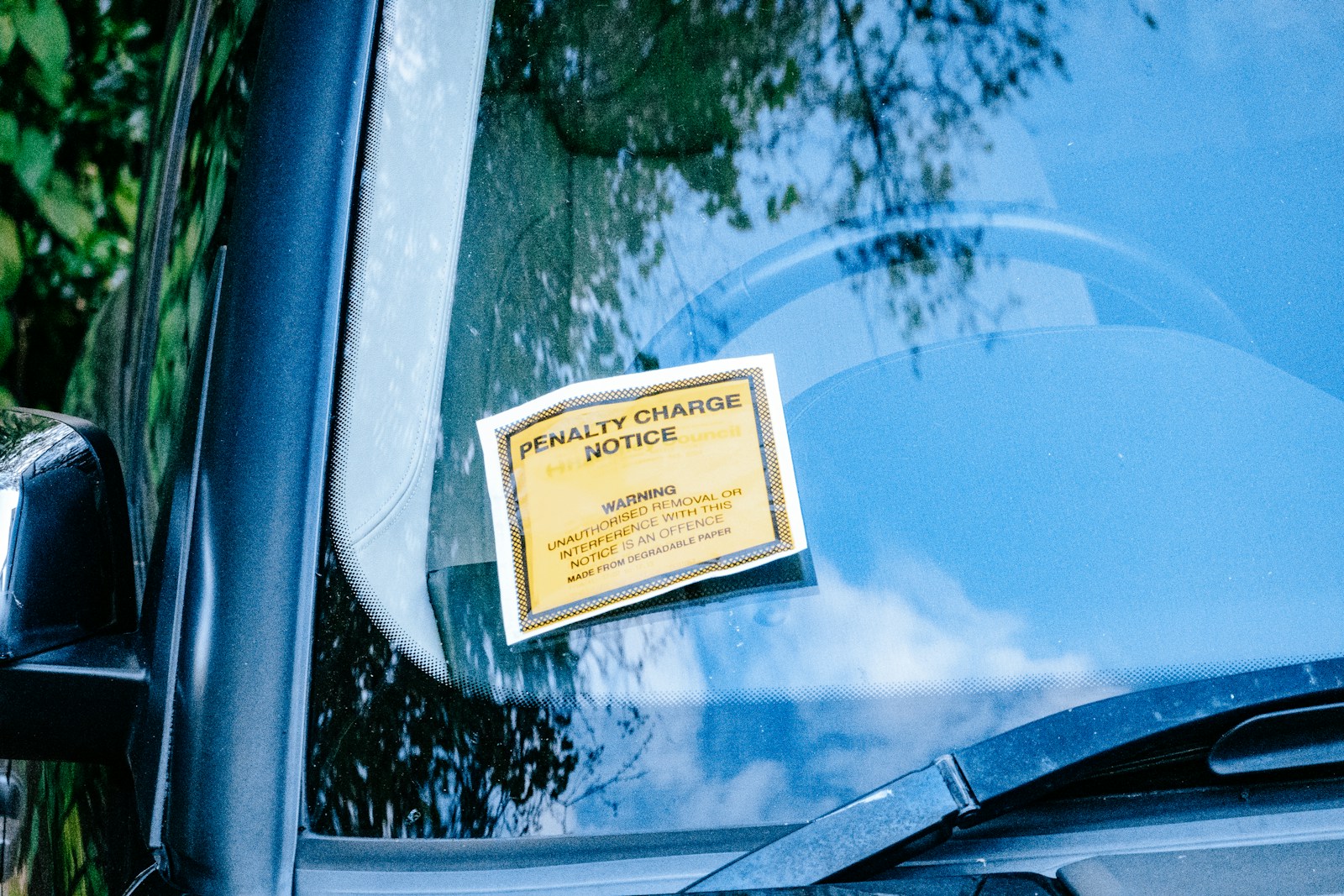
Where are councils focusing their ire? Well, Croydon council has recently issued four penalty notices to a man whose car was parked in a disabled bay. The use of the passive voice is deliberate. Calling him a “man who parked his car in the disabled bay” would be inaccurate, as at the moment that he did the parking the bay was very much not a disabled one. It was while he was on holiday that the council painted a disabled bay around his vehicle and proceeded to issue four fines before he was able to get back. The fines were rescinded, but it says a great deal that they were issued in the first place.
In what seems to be a competition of which council can levy the pettiest fine, Richmond council issued a penalty notice against a woman for pouring the dregs of her coffee down a street drain.
To stay on parking, two anecdotes particularly illustrate this point. I was recently told by a friend about the actions of a London council following its decision to scrap free short-term parking. Very quickly, they sent the wardens out in the weekday mornings and afternoons to target mums and dads dropping off their children at school, an act which raised a pretty penny for the first couple of weeks before parents clocked onto this nasty scam.
Contrast that with a neighbourhood near where I live in Paddington. According to the residents I have spoken to, they are routinely forced to park a significant walk away from their house, due to the number of non-residents coming to the area and illegally parking on their street, in particular to pray at the local mosque. They pay an expensive parking permit, and how is that enforced? Well according to the residents, it’s not. Parking wardens avoid the area, as they are harassed and intimidated by groups of men associated with the mosque whenever they attempt to give tickets.
It exemplifies the petty authoritarianism of the state, and more fundamentally its laziness. Investigating burglaries is difficult, targeting people for social media posts isn’t. It’s not just that the different parts of the state are performing poorly, even when they do achieve successes they tend to be trivial at best and actively spiteful at worst.
This is a cultural problem and not easily solved. Performance metrics can help, but can also end up encouraging “stat-padding,” where the focus is on the quantity of the enforcement rather than the quality. A few obvious changes could make a difference. Working from home has got to end, and councils should generally prioritise staff who live locally if they can, particularly senior staff. The more time staff are actually spending in the area, the more they are embedded in the community, the greater their incentive to try and fix actual issues, rather than looking for “quick wins.” Hiring and firing needs to be made easier, particularly of senior managers, who ultimately set the standard that their employees follow. And as always, councillors need to be willing to robustly stand up to officers, highlighting and demanding answers as to why they are pursuing the most minor and insignificant of misdemeanours and not the serious wrongdoings which actually impact on people’s lives.
Ultimately councils need to remember that it is they who serve local residents and taxpayers, not the other way around.






![Keith Ellison Caught Promising to Fight State Agencies for Somali Fraudsters [WATCH]](https://www.right2024.com/wp-content/uploads/2026/01/Keith-Ellison-Caught-Promising-to-Fight-State-Agencies-for-Somali-350x250.jpg)
![Florida Officer Shot Twice in the Face During Service Call; Suspect Killed [WATCH]](https://www.right2024.com/wp-content/uploads/2025/12/Inmate-Escapes-Atlanta-Hospital-After-Suicide-Attempt-Steals-SUV-Handgun-350x250.jpg)