As a general rule, writers — especially those of us trying to exist in the modern internet age — tend to employ hyperbole.
After all, it’s much more fun to argue that the conspiracy theories around Charlie Kirk’s death and the squabbling over this country’s support of Israel are dismantling the conservative movement as we know it than to adopt the far more reasonable stance that these debates are the inevitable result of shoving a coalition of people used to questioning narratives into a tent and hoping the canvas doesn’t rip in a few places.
With that disclaimer out of the way, please allow me to engage in what may sound like a bit of hyperbole, but isn’t.
There are few political issues quite as abhorrent to the properly calibrated moral compass as assisted suicide. The idea that doctors, whose profession ought to involve fighting for life even when life seems impossible, would then engage in killing their patients, should cause your stomach to turn. The concept that the state would encourage whole groups of people — the elderly, the mentally distressed — to conveniently euthanize themselves should seem preposterous. (READ MORE: Is Healthcare ‘Burning’ Yet?)
Nevertheless, laws with euphemistic names like “death with dignity” and “medical aid in dying” are advancing like a shroud over the West. Most recently, they’re trying to make their way to England.
This summer afforded so many things to talk about in English politics (especially among Americans who tend to ignore the existence of their patrimonial island unless absolutely necessary) that, when the British House of Commons passed a vague bill that would make assisted suicide a “right” over the course of the next four years, we ignored it.
As in American politics, that didn’t make the bill a law. Back in June, the Guardian predicted that, while it’s possible the House of Lords could block or delay the bill long enough to force the House of Commons to start the process all over again, it’s likely that — with a couple of amendments — it’ll eventually get royal approval.
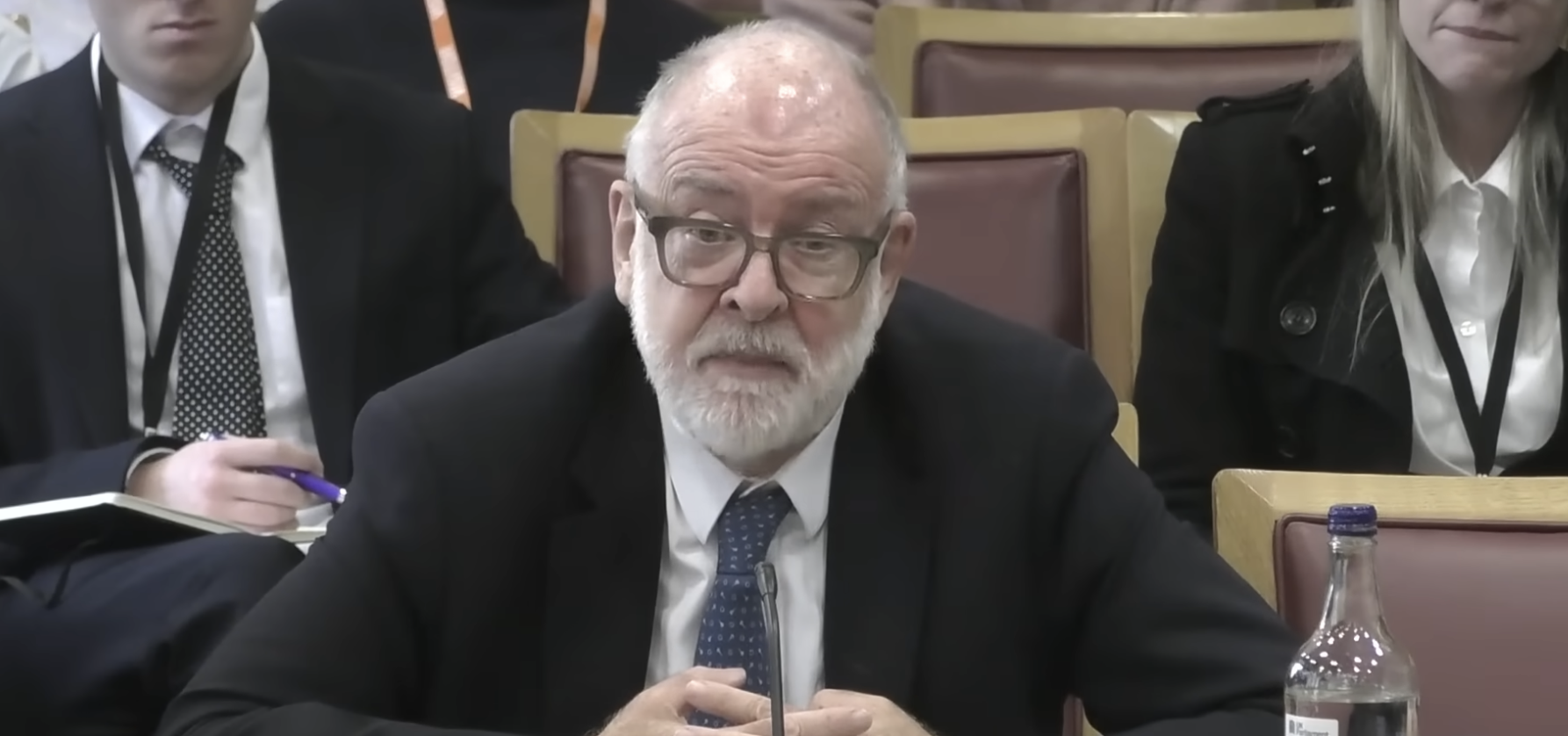
This week, of course, the bill came up for debate in the House of Lords, affording us a revolting video of Lord Charlie Falconer informing legislators that “we take the view that pregnancy should not be a bar to [assisted suicide].” (READ MORE: Texas Might Be the Only State Strong Enough to Face Real Evil)
To be clear, the esteemed Falconer believes that a woman carrying an unborn and innocent child in her womb should be allowed not only to commit suicide herself, but also to take her child with her.
Of course, the whole thing makes perfect sense if we embrace the internal logic of liberalism.
Remember, a child is not a child until he takes his first breath; once life has been established (although it’s somewhat unclear exactly when that happens), the individual has complete and utter autonomy. He is his own god. He’s in control of his own life and death. If he finds life too onerous, he can simply end it, so long as he harms no one else in doing so.
My body, my choice.
This is the horrifying result of a creed rooted in radical individualism. It begins with the belief that the individual is the central “building block” of society, the nucleus around which everything — the family, religion, healthcare, and the state — revolves. Society must bend to fit our whims; it must die at the altar of our rights.
If you think that’s just a British or Canadian problem, think again. Radical individualism is, perhaps uniquely, an American infection — and not just one afflicting the American Left. Libertarians and conservatives more broadly buy into it. This, of course, makes it quite difficult to discuss assisted suicide, even among conservatives. While we like to speak about a “Right to Life,” we never talk about our responsibility to life.
Responsibilities, after all, aren’t quite as exciting to the general public as rights.
Suicide is fundamentally an issue of justice. While the individual does have a right to life, that doesn’t mean his life is solely his own to do with whatever he wishes. He owes it to his family, to his communities, to his society, and to his state to continue living. Most importantly, he owes it to his God.
READ MORE from Aubrey Harris:
Australia Does the Social Media Thing Every Country Should Be Doing





![Donald Trump Slams Chicago Leaders After Train Attack Leaves Woman Critically Burned [WATCH]](https://www.right2024.com/wp-content/uploads/2025/11/Trump-Torches-Powell-at-Investment-Forum-Presses-Scott-Bessent-to-350x250.jpg)



![Two Dead, 14 Injured After Gunfire Erupts Following College Football Game in Alabama [WATCH]](https://www.right2024.com/wp-content/uploads/2025/10/Two-Dead-14-Injured-After-Gunfire-Erupts-Following-College-Football-350x250.jpg)