Don’t miss the full story from our staff writers, whose reportage is the basis of this article.
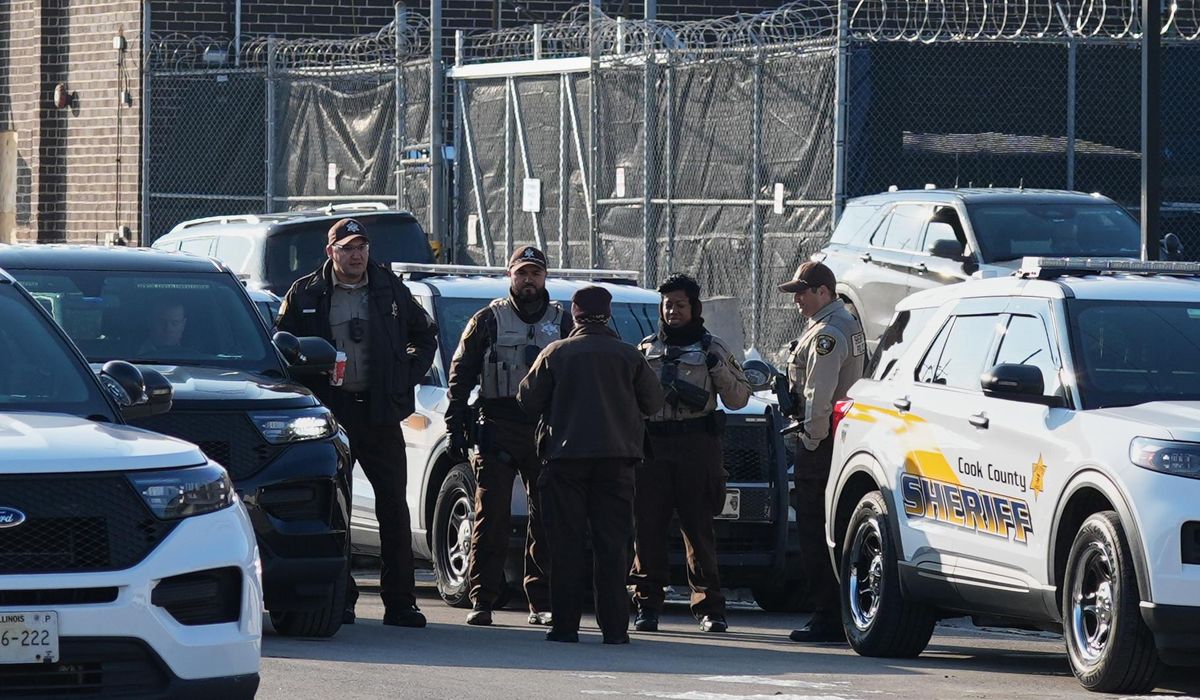
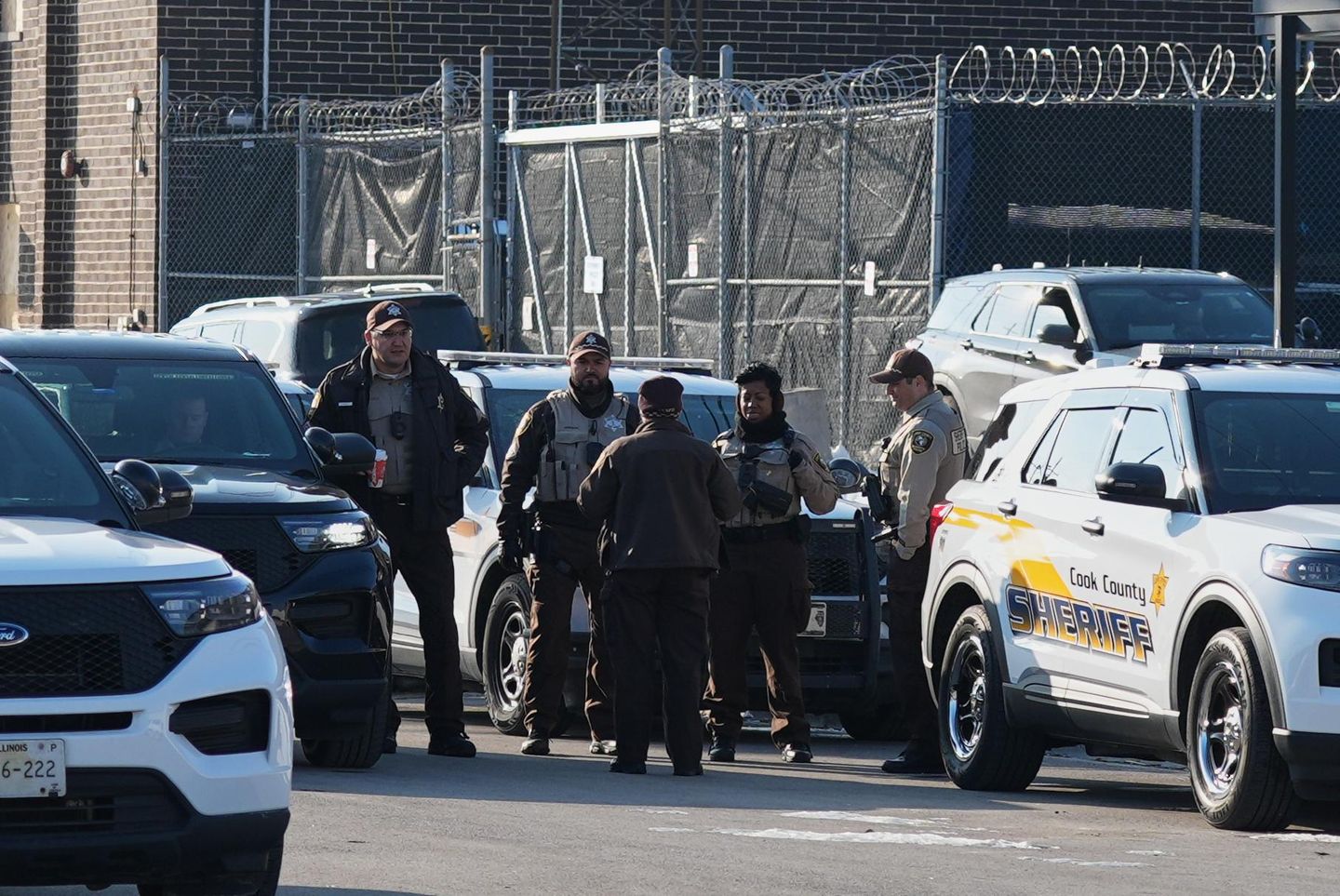
The Supreme Court ruled Tuesday that President Trump exceeded his constitutional authority by federalizing and deploying National Guard troops to Chicago, marking a significant legal setback for the administration.
The unsigned majority opinion determined that the law governing presidential power to deploy Guard troops requires that existing military forces be insufficient before activation, and since the military has no legal role in quelling protests or protecting federal buildings in Chicago, Trump lacked authority to call out the Guard.
The decision potentially undermines other Trump deployments, including troops stationed in Los Angeles for six months responding to anti-ICE violence. Justices Clarence Thomas, Samuel Alito and Neil Gorsuch dissented, arguing the majority introduced new legal issues not raised in lower courts and warning against second-guessing presidential decisions on public safety matters. Alito specifically emphasized that protecting federal officers from lethal attacks should not be thwarted.
The ruling affects multiple jurisdictions where courts had been awaiting the Supreme Court’s decision, with troop deployments in Oregon, Illinois and California all potentially impacted. Troops were allowed in Los Angeles where several hundred remain, but were blocked from Portland and Chicago during deliberations. Each location experienced unruly protests against Immigration and Customs Enforcement, prompting forceful Trump administration responses.
The case centered on a law allowing presidents to federalize Guard troops during foreign invasion, rebellion against U.S. authority, or when “regular forces” cannot execute federal laws. After initial briefing, justices requested clarification on whether “regular forces” meant military or civilian law enforcement.
Illinois argued it referred to regular military, meaning Trump must first attempt deploying active-duty troops before turning to the Guard, with the Posse Comitatus Act limiting such deployments. The administration countered that Guard troops are “better suited” for city deployments, suggesting the law intended “regular forces” to include civilian law enforcement.
The majority sided with Illinois, concluding the statute requires assessing military capability to execute laws only where military deployment is legal. Since the Posse Comitatus Act prohibits domestic military law enforcement deployment, the Guard cannot substitute for unavailable regular military, the court determined.
Justice Brett Kavanaugh concurred in judgment but disagreed with reasoning, expressing concern the ruling creates perverse incentives favoring active-duty military over National Guard for domestic matters. However, he agreed Trump failed proving regular civilian law enforcement was insufficient.
Illinois Senators Richard Durbin and Tammy Duckworth praised the decision as pushback against presidential overreach. The ruling follows recent Trump victories before the court on firing federal officers, deportation powers and government spending, with other cases pending on tariff powers and birthright citizenship.
Read more: Supreme Court rules against Trump on deploying troops to Chicago
This article is written with the assistance of generative artificial intelligence based solely on Washington Times original reporting and wire services. For more information, please read our AI policy or contact Ann Wog, Managing Editor for Digital, at awog@washingtontimes.com
The Washington Times AI Ethics Newsroom Committee can be reached at aispotlight@washingtontimes.com.

![Donald Trump Slams Chicago Leaders After Train Attack Leaves Woman Critically Burned [WATCH]](https://www.right2024.com/wp-content/uploads/2025/11/Trump-Torches-Powell-at-Investment-Forum-Presses-Scott-Bessent-to-350x250.jpg)