Poland, a nation where Catholicism remains the dominant faith and ethnic homogeneity is among the highest in Europe, stands out as a model of stability, prosperity, and social cohesion in an increasingly fragmented world.
Poland consistently ranks among Europe’s safest countries, with a Crime Index of around 29 on Numbeo in 2025. This is far below levels in France (55.4), the United Kingdom (48.3), or Sweden (48). This safety largely stems from Poland’s homogeneity. Over 97 percent of Poles were born in Poland, while just 2.6 percent were foreign-born residents as of 2024.
Studies on social capital show that ethnic and cultural uniformity fosters higher interpersonal trust, stronger community ties, and lower crime rates. If close-knit communities can act as powerful buffers against crime, the same is true for an entire country with deep ties. The citizens build trust, support, and shared expectations that discourage bad behavior. These social bonds have long-lasting, positive effects that are passed down over generations. (Sign up for Mary Rooke’s weekly newsletter here!)
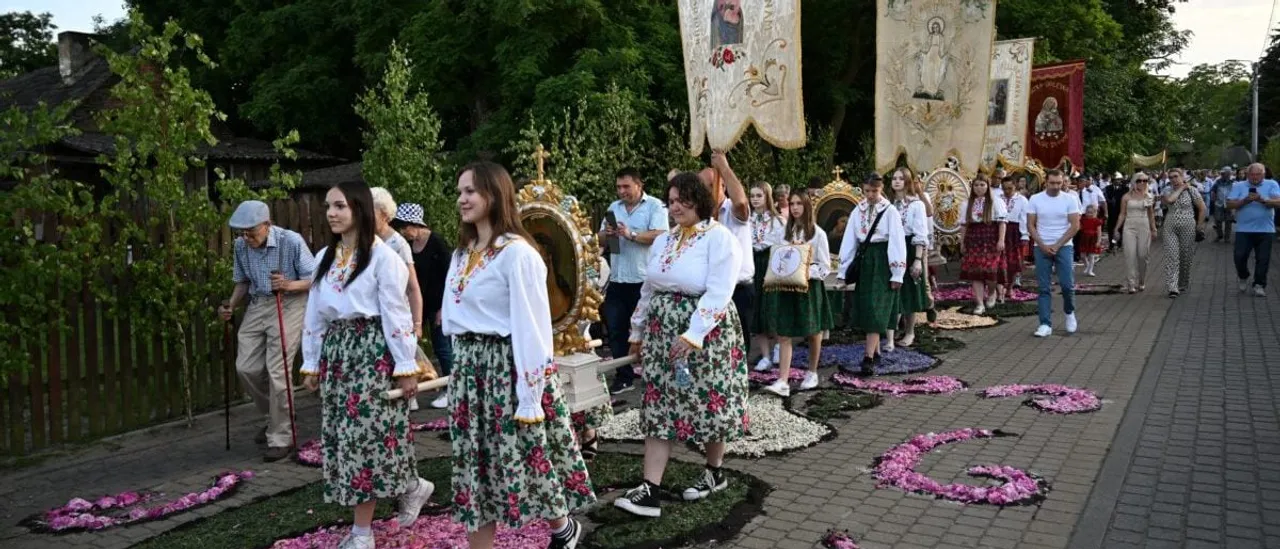
Visitors and residents alike note clean, orderly streets and low fear of crime, a stark contrast to many Western European countries plagued by rising violence and disorder. Poland’s shared Catholic heritage serves as a common moral framework that promotes personal responsibility and neighborly solidarity, minimizing the social frictions that fuel criminality elsewhere. And while self-identified Catholics have declined to around 71 percent of the population in recent censuses, the country’s cultural fabric is still deeply woven with Catholic traditions that emphasize family, community, and moral order.
I have just spent some time in Poland and am now enjoying a glass of Champagne in the LOT lounge at Warsaw airport, waiting for my delayed flight. Here are a few reflections from Poland:
1. All those videos about Polish Christmas markets and cities are right: Poland is extremely… https://t.co/0cZIixWUPW
— Michael A. Arouet (@MichaelAArouet) January 11, 2026
Economically, Poland is Europe’s standout performer. Its GDP growth is projected at 3.5 percent for 2026, outpacing the European Union (EU) average of around 1.4 percent.
Poland’s social policies remain proudly conservative, prioritizing family, tradition, and national sovereignty. Generous child benefits support high birth rates relative to European peers, while restrictive abortion laws and slower adoption of progressive reforms reflect enduring Catholic influence. This stands in contrast to Western Europe’s rapid secularization and social liberalization. A unified culture makes these policies sustainable. High-trust societies can maintain traditional norms without fear of cultural erosion, fostering the social cohesion needed for family-oriented programs.
Strict immigration controls, like welcoming contributors who are culturally similar while rejecting mandatory EU quotas, preserve their unity. In an era when many nations grapple with division, declining trust, and stagnation, Poland shows that preserving cultural and ethnic connectedness, anchored in a Catholic moral tradition, delivers tangible benefits. Poles enjoy safer streets, thriving economies, and resilient families. (ROOKE: Governments In Europe Fighting Over Who Has To Take In More Immigrants)
The most incredible thing about their country is that they haven’t once apologized for their homogeneity. Their embrace of continued cultural traditions is an example for the rest of the world to follow. It’s not only okay for countries to protect their cultural identity, but an absolute must if they want to survive.
Follow Mary Rooke on X: @MaryRooke





![Donald Trump Slams Chicago Leaders After Train Attack Leaves Woman Critically Burned [WATCH]](https://www.right2024.com/wp-content/uploads/2025/11/Trump-Torches-Powell-at-Investment-Forum-Presses-Scott-Bessent-to-350x250.jpg)

![CNN's Kaitlan Collins Fact-Checks Rep. Jasmine Crockett Over False Trump Ballroom Claim [WATCH]](https://www.right2024.com/wp-content/uploads/2025/10/1761954330_CNNs-Kaitlan-Collins-Fact-Checks-Rep-Jasmine-Crockett-Over-False-Trump-350x250.jpg)