Victoria Stratford is a postgraduate student at the University of Essex.
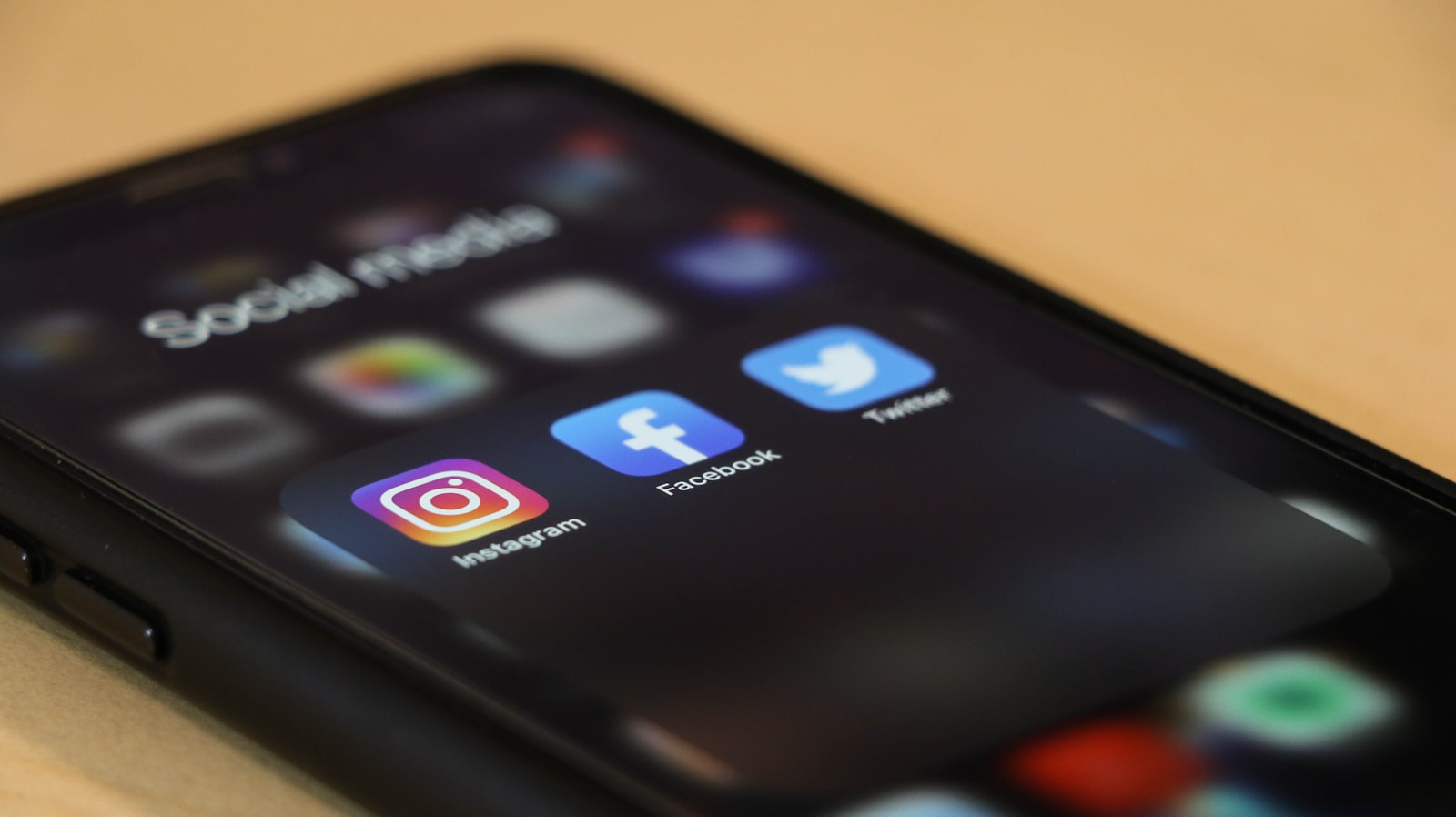
The House of Lords’ decisive vote to back a ban on under-16s using social media marks a significant moment in the long-running debate over how Britain protects its children in the digital age. By 261 votes to 150, peers from across the political spectrum supported an amendment to the Government’s Schools Bill that would require ministers to prevent children from accessing social media platforms unless robust age verification is provided. The scale of the majority should give ministers pause.
For too long, Westminster has acknowledged the problem of harmful online content while shying away from meaningful action. The evidence of harm is no longer marginal or speculative. Rising rates of anxiety, depression and self-harm among teenagers coincide with the explosive growth of social media use – going from 7 per cent in 2018 to 11 per cent in 2022.
Teachers increasingly report attention problems and disruptive behaviour in classrooms, while police and security services warn of online radicalisation targeting young people. As Lord Nash put it, teenage social media has become a “societal catastrophe.”
The amendment does not represent a knee-jerk ban, nor does it propose heavy-handed state control of the internet. Instead, it would give the Government a year to decide which platforms should be restricted and require companies to introduce highly effective age verification measures. In other words, responsibility would finally be places on the technology companies.
Protecting children is a primary duty of the state, especially when parents are up against global corporations with resources and influence far beyond their own. Platforms are designed to maximise engagement, even if it comes at the expense of children’s wellbeing. Expecting technology companies to verify age properly is not an attack on liberty and freedom, but rather a basic corporate responsibility.
Critics of the ban argue that enforcement would be difficult and teenagers will find ways around the restrictions or be driven towards darker corners of the internet. These objections echo those raised against age limits on alcohol, tobacco, or gambling. None of these systems are perfect, yet few people would argue that we should abandon them all together. The fact that rules can be broken is not a serious argument for having no rules at all.
Other people claim that a ban would infringe freedom of expression and cut young people off from valuable online communities. But freedom must be balanced with protection, particularly for children. Most under-16s do not need algorithm driven platforms designed to monetise attention and outrage. There is a clear difference between access to the internet as a whole and unrestricted access to commercial social media products whose business models spend on constant engagement.
The political context matters too. Australia’s recent decision to ban under-16s from major platforms including Snapchat, Instagram, and TikTok, has shifted the debate internationally. In the UK, more than 60 Labour MPs have joined Conservatives in calling for similar action, reflecting growing concern among parents across the country. This is becoming an increasingly mainstream movement, grounded in lived experiences.
The government has indicted that it will attempt to overturn the Lords amendment in the House of Commons whilst launching a consultation of its own. A targeted, proportionate ban on under-16s using social media would not solve every problem overnight, but it would send a clear signal that children’s wellbeing and mental health are a priority.
Crucially, the debate should not be framed as a choice between parental responsibility and government action. Parents are already trying to set boundaries, often in the face of intense peer pressure and platforms deliberately engineered to be addictive. A clear legal age limit would strengthen parents’ hands, not weaken them, by giving families a shared standard rather than forcing individual households to fight a losing battle alone.
Childhood and adolescence are becoming increasingly compressed, with adult anxieties, conflicts and extreme of opinion spilling unchecked into young people’s social media feed. Allowing children a few more years before entering the world of social media in a more controlled way. Ultimately, a ban on social media for under-16s would be a clear statement that in Britain, the welfare of children outweighs the convenience and profits of technology companies and the convenience of keeping social media unchecked.



![Donald Trump Slams Chicago Leaders After Train Attack Leaves Woman Critically Burned [WATCH]](https://www.right2024.com/wp-content/uploads/2025/11/Trump-Torches-Powell-at-Investment-Forum-Presses-Scott-Bessent-to-350x250.jpg)