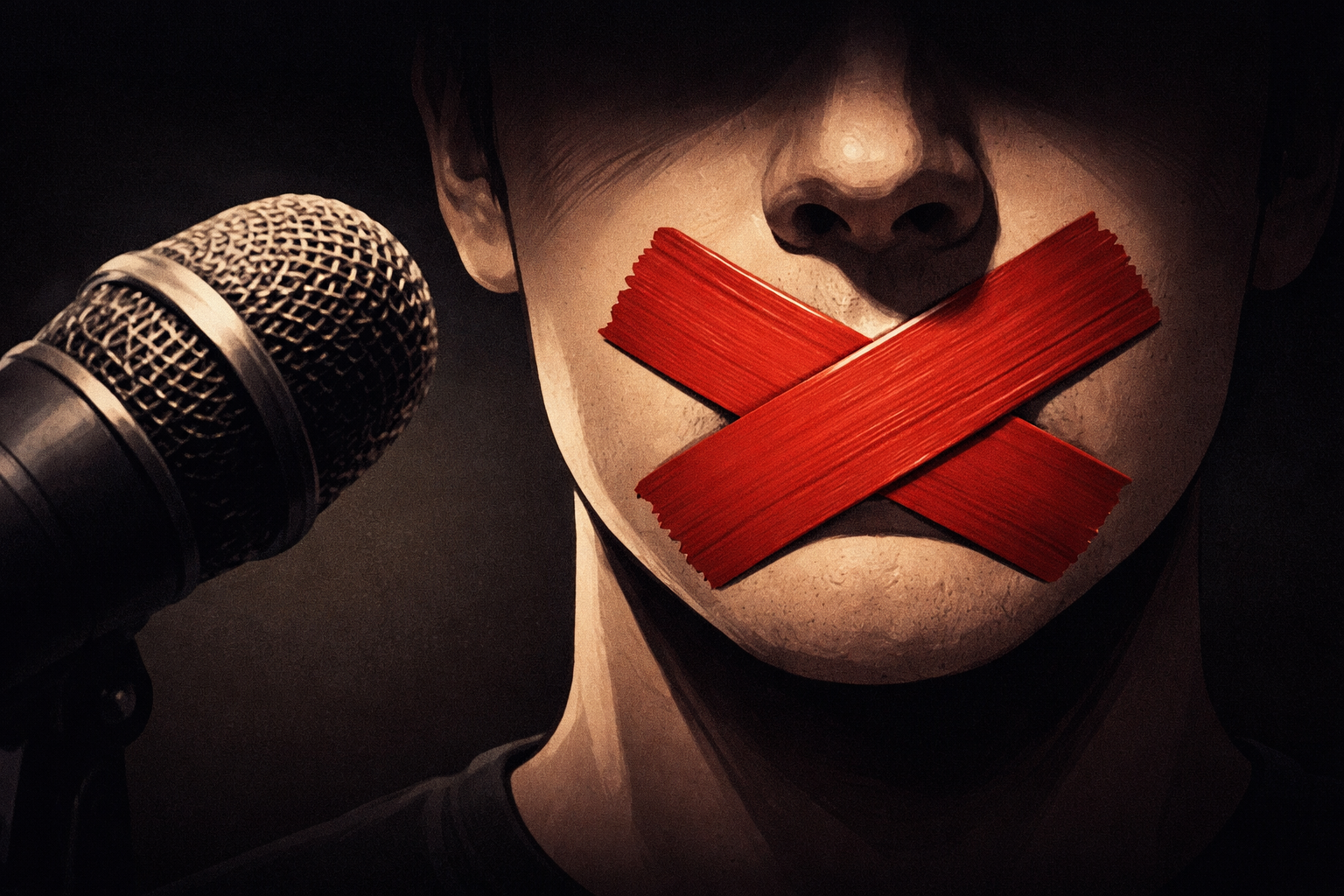
As Congress continues to debate legislation ostensibly aimed at protecting kids online, lawmakers already have a real-world test case for how regulations designed to protect end up stifling online speech, even for adults outside their intended geographic area: Europe’s Digital Services Act (DSA). (RELATED: Britain’s Online Safety Act Might Come to America)
Troublingly, a new House Judiciary Committee interim report concludes the DSA has restricted online speech beyond the boundaries of the European Union, including right here in America. (RELATED: The Lost Children of the Kids’ Online Safety Debate)
The report contends that the European Commission (EC) used the DSA to pressure social media platforms into moderating content in the U.S., arguing its supposedly voluntary compliance programs are actually regulatory mandates.
Among the categories of speech that were targeted, per House Judiciary, were populist rhetoric, anti-immigrant sentiment, and meme subculture. The report cited an August 2024 letter from then-EU Commissioner for Internal Market Thierry Breton to Twitter (now X) owner Elon Musk, warning him that his upcoming interview with Donald Trump could violate the DSA. Breton resigned following criticism from American politicians. (RELATED: AI, the Amelia Meme, Revolution, and the Future of Celebrity)
Also targeted by the DSA? Political satire — bad news for Ukraine President Volodymyr Zelenskyy, whose political jokery helped fuel his rise to Ukraine’s presidency, and beloved, pro-free speech, Islam-skeptical comedians like Monty Python and Fawlty Towers’s John Cleese.
The ostensible goal of the DSA, which took effect in 2023, was combating “misinformation” and “hate speech.” According to the report, the commission issued codes of conduct to sites like Facebook, YouTube, TikTok, and Twitter, and would lobby platforms to change content moderation rules.
But the effects were far different — an important reminder that good intentions do not always generate good consequences.
Per House Judiciary, “When European regulators pressure social media companies to change their content moderation rules, it affects what Americans can say and see online in the United States.” This was inevitable in the view of U.S. free speech advocates. “It’s a pretty useful demonstration of how laws that suppress speech online easily transcend borders without authority,” said Shoshana Weissmann, digital director and policy advisor at the Abundance Institute. “United States lawmakers need to guard Americans’ free speech against such censorship.”
But like the DSA, [KOSA] too pressures platforms to restrict content that one side of the political aisle may view as harmful, and the other side views as informative.
Here at home, with parents worried about social media, Congress continues to weigh legislation that pro-First Amendment champions view as too close to the DSA approach for comfort — and potentially unconstitutional.
The Kids Online Safety Act (KOSA) remains a pet priority, especially of liberal Connecticut Sen. Richard Blumenthal. Blumenthal and his co-sponsors say KOSA will keep American children safe from harmful material on social media platforms. But like the DSA, it too pressures platforms to restrict content that one side of the political aisle may view as harmful, and the other side views as informative. KOSA has come under fire from cultural conservatives over its potential chilling effects on online discussion relating to gender transition theory and conservative views on abortion. (RELATED: Parents Have Everything They Need to Keep Their Children Safe Online)
Despite support from Republicans and Democrats, KOSA has failed to make it out of Congress. The bill has drawn bipartisan support but has stalled amid concerns about its scope and constitutional implications.
Critics believe most congressional representatives recognize the First Amendment danger that KOSA represents. “Even if they’ll sponsor the bill because they want to be seen as being pro children safety, [they] recognize the inherent risks and pitfalls of the legislation,” NetChoice Director of Government Affairs Zach Lilly said in an interview.
Another bill moving in Congress that free speech advocates and cultural conservatives are watching for DSA-like ill effects is the App Store Accountability Act. On spec, AASA looks much closer to the United Kingdom’s Online Safety Act, which has imposed age verification measures that threatened to take Wikipedia offline and have famously blocked teenagers and adults alike from ordering pizzas, listening to songs on Spotify, and reading about the UK’s “Grooming Gangs” scandal. Pro-life and gender transition theory critics worry that AASA could be used to stifle discussion of topics where American public opinion widely differs between loyalists to each party. Other AASA critics point to potential cybersecurity stemming from the bill, because it imposes massive data collection obligations.
As Congress continues to debate both bills and weigh what has been learned from the DSA saga, elected officials would do best to leave parents in the driving seat, rather than copycat approaches that may be acceptable in Brussels or London but will not be in Branson or Little Rock.
READ MORE from Taylor Millard:
Rural Hospitals Rely on ‘340b’ Drug Discounts
![Donald Trump Slams Chicago Leaders After Train Attack Leaves Woman Critically Burned [WATCH]](https://www.right2024.com/wp-content/uploads/2025/11/Trump-Torches-Powell-at-Investment-Forum-Presses-Scott-Bessent-to-350x250.jpg)

![CNN's Kaitlan Collins Fact-Checks Rep. Jasmine Crockett Over False Trump Ballroom Claim [WATCH]](https://www.right2024.com/wp-content/uploads/2025/10/1761954330_CNNs-Kaitlan-Collins-Fact-Checks-Rep-Jasmine-Crockett-Over-False-Trump-350x250.jpg)