A bipartisan group of lawmakers hopes to persuade the White House to support legislation that provides greater transparency and safeguards against privacy invasions in the upcoming reauthorization of a key federal surveillance law.
The lawmakers find themselves in a similar position to the one they were in two years ago, when they failed to pass reforms in the Foreign Intelligence Surveillance Act. Without reauthorization, the law will expire next month.
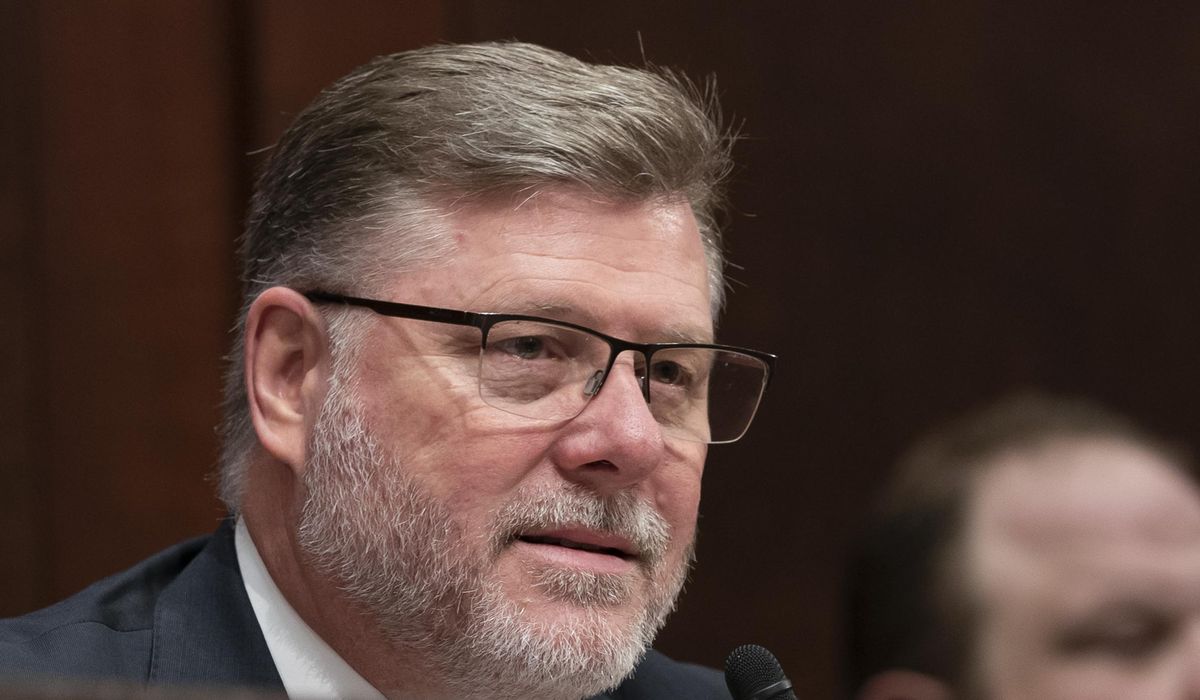
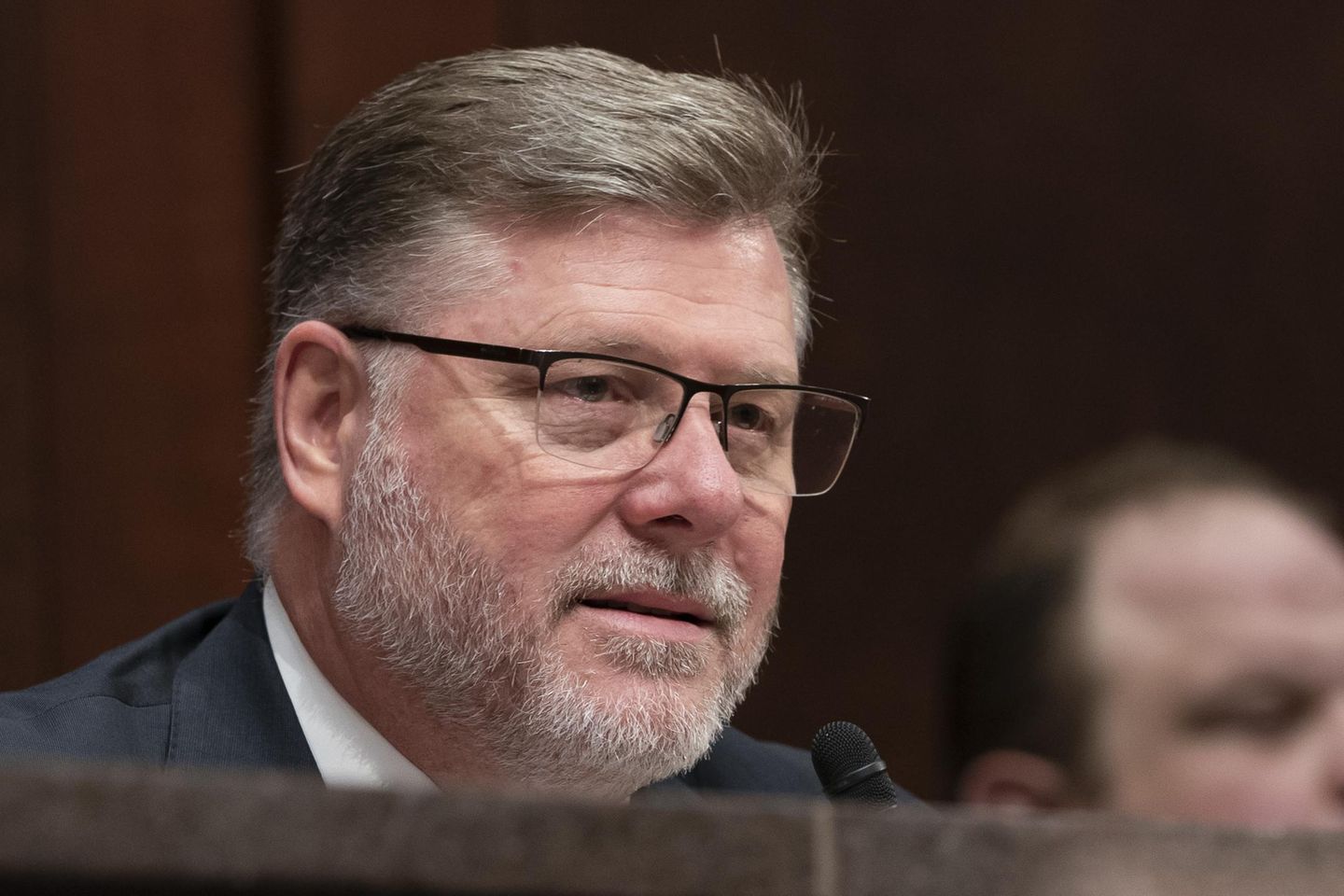
The group faces tough odds in modifying the current law, according to House Permanent Select Committee on Intelligence Chairman Rick Crawford, Arkansas Republican, who told The Washington Times, “The president has been pretty clear on what he’d like to see is an 18-month ’clean’ [reauthorization of FISA]. So that’s the lane we’re going to pursue.”
While Section 702 of FISA authorizes U.S. spy agencies to intercept communications of foreigners abroad, Americans can be ensnared in the surveillance when communicating with foreigners. The FBI and U.S. intelligence agencies have also searched the collected data for information about Americans.
Critics say the spying tool threatens constitutional rights when FBI or U.S. intelligence officials sift through the data without a warrant, looking for dirt on Americans.
The legislation, titled the Security and Freedom Enhancement (SAFE) Act, would reauthorize and make specific changes to Section 702.
An analysis of the proposal by the conservative-libertarian group Americans for Prosperity said the SAFE Act “prohibits government agencies from purchasing Americans’ information from data brokers” in most cases. It would also require warrants or a FISA court order “to access content of communications of Americans.”
“Hundreds of thousands of warrantless queries have been run on Americans, including on political activists, journalists, campaign donors, and sitting members of Congress” under the current law, the group said.
Congressional lawmakers on both sides of the aisle have fought to make reforms to Section 702 every two years when it is set to expire. But House and Senate lawmakers from both parties on the Intelligence committees often disagree with the proposed reforms, siding with the intelligence communities and saying a “clean” reauthorization is needed to protect national security.
Senate Intelligence Committee Chair Tom Cotton, Arkansas Republican, is also urging his committee members to support an 18-month extension of Section 702 without changes.
Although President Trump has yet to publicly state where he stands on the issue, White House domestic policy adviser Stephen Miller is reportedly pushing the administration to extend the 702 program without changes, as a necessary tool to tackle numerous homeland security tasks.
The Washington Times reached out to the White House for comment.
The House and Senate lawmakers pushing for the reforms were previously at odds with the Biden White House when they attempted to pass legislation to reform Section 702 during the last reauthorization two years ago, and it is set to expire on April 20.
The Senate reauthorization reform bill was recently introduced by Sen. Ron Wyden, Oregon Democrat, and co-sponsored by Sens. Mike Lee, Utah Republican, Cory Booker, New Jersey Democrat and Steve Daines, Montana Republican.
The House version of the bill was introduced by Reps. Warren Davidson, Ohio Republican and Ted Lieu, California Democrat.
“Ben Franklin famously said anybody who gives up their liberty for security really doesn’t deserve either, and that has been my credo, that’s how I’m approaching this,” Mr. Wyden told The Times.
“If anything, it is more crucial now, because we’re seeing AI…so that’s how I’m approaching it. And good policy gives you both liberty and security, bad policy gives you less of both.”
The bill requires federal law enforcement to notify targets about subpoenas and court-ordered surveillance of their electronic data, similar to existing rules for wiretaps and bank subpoenas.
It also permits providers and other interested parties to challenge sealing orders, requiring the government to pay the challenger’s costs and legal fees if it loses.
The legislation also requires that FISA surveillance applications and orders eventually be unsealed and docketed, ensuring they are available to the public and press once it no longer disrupts an investigation or put individuals at risk.
Additionally, it mandates that courts publish online basic data about every surveillance order they authorize, while not revealing any personal information that could disrupt an active investigation.
The bill also calls on law enforcement to notify courts if they search the wrong person, house or device pursuant to an order issued by the court or if a provider discloses data not authorized by the court.
Finally, the legislation requires the Administrative Office of the Courts to expand the annual wiretap reports to include data on the surveillance of stored communications, interception of metadata, and gag orders.
A separate House FISA 702 reauthorization bill was also proposed by Rep. Andy Biggs, Arizona Republican.
That legislation would require warrants before querying Americans’ communications collected under Section 702 and would ban federal agencies from purchasing Americans’ personal data, including location information and online activity, from commercial data brokers without legal authorization.
The bill, which is supported by the American Civil Liberties Union, clarifies that FISA must be the exclusive legal process for getting Americans’ communications records for foreign intelligence purposes.







![Donald Trump Slams Chicago Leaders After Train Attack Leaves Woman Critically Burned [WATCH]](https://www.right2024.com/wp-content/uploads/2025/11/Trump-Torches-Powell-at-Investment-Forum-Presses-Scott-Bessent-to-350x250.jpg)