![Hegseth Drops a FAFO in Epic Speech on Historic Maduro Mission [WATCH]](https://www.right2024.com/wp-content/uploads/2026/01/1767551972_Hegseth-Drops-a-FAFO-in-Epic-Speech-on-Historic-Maduro.jpg)
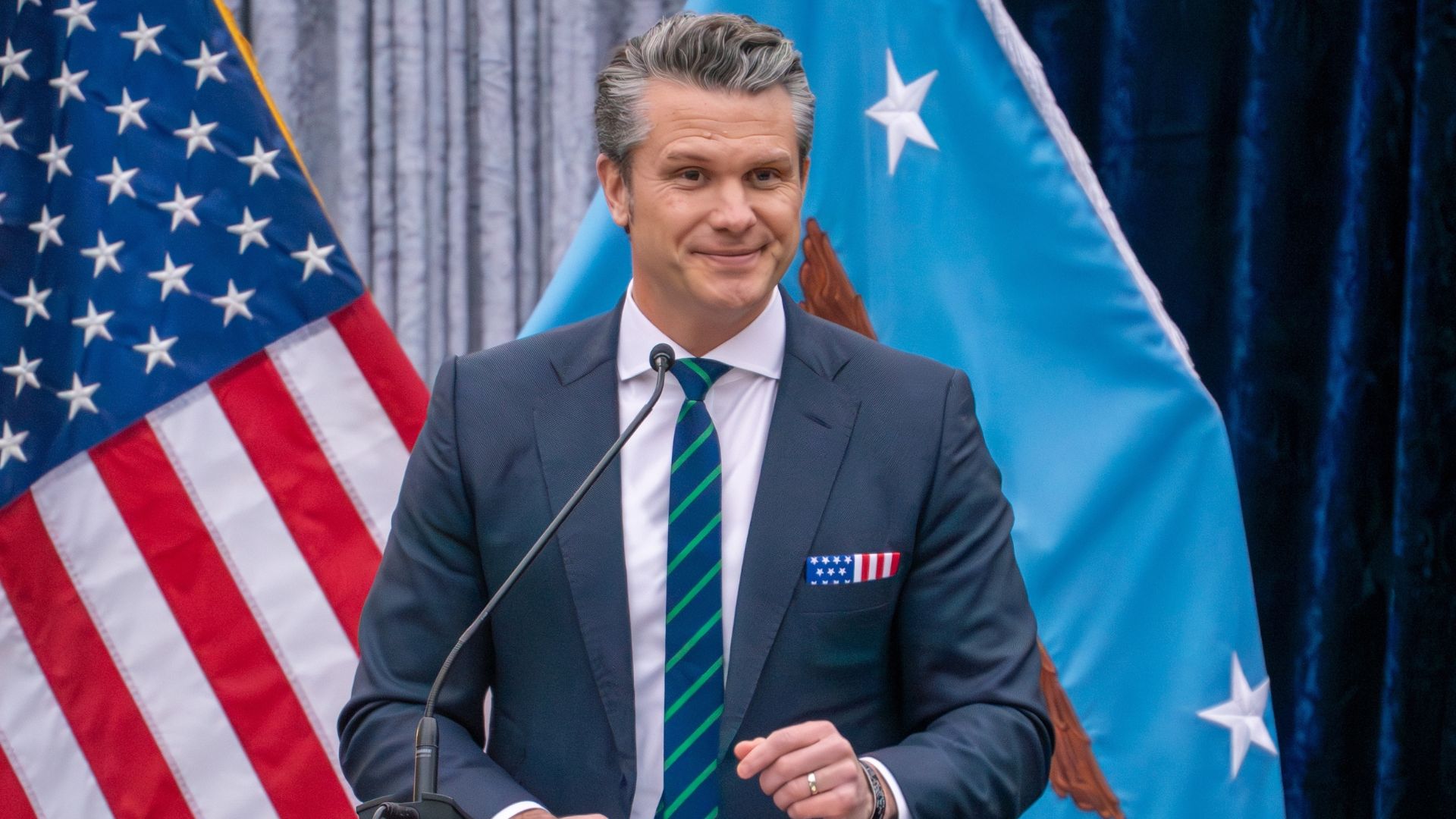
Secretary of War Pete Hegseth said Tuesday that the United States would launch what he described as the most intense day of strikes yet in the ongoing conflict with Iran, as the war entered its 11th day, as reported by The New York Post.
Speaking during a press conference at the Pentagon, Hegseth said U.S. forces were continuing operations with the goal of dismantling Iran’s military capabilities while ensuring the conflict ends on terms determined by the United States.
“We are winning with an overwhelming and unrelenting focus on our objective,” Hegseth said.
Here’s What They’re Not Telling You About Your Retirement
The secretary said the campaign’s objectives include destroying Iran’s missile stockpiles and launchers, eliminating the regime’s ability to manufacture missiles, destroying Tehran’s navy, and permanently denying Iran the ability to develop nuclear weapons.
Hegseth said the pace of operations would intensify further.
“Promising that Tuesday will be, yet again, our most intense day of strikes inside Iran,” Hegseth said the United States “will not relent until the enemy is totally and decisively defeated, but we do so on our timeline and at our choosing.”
Military officials also presented data during the briefing indicating that Iranian attacks across the region have declined significantly since the beginning of Operation Epic Fury on Feb. 28.
This Could Be the Most Important Video Gun Owners Watch All Year
Gen. Dan Caine, Chairman of the Joint Chiefs of Staff, said ballistic missile attacks from Iran targeting other Middle Eastern countries have dropped by 90 percent since the start of the campaign.
Caine also said one-way attack drone strikes launched by Iran have fallen by 83 percent during the same period.
According to the general, U.S. and allied operations have also damaged or destroyed more than 50 Iranian naval vessels since the fighting began.
“We’re crushing the enemy in an overwhelming display of technical skill and military force,” Hegseth said during the briefing. “… The most fighters, the most bombers, the most strikes, intelligence more refined and better than ever.”
He added that Iranian missile activity has sharply declined in recent hours.
“On the other hand, the last 24 hours have seen Iran fire the lowest number of missiles they’ve been capable of firing.”
Caine said U.S. forces have focused heavily on Iran’s ballistic missile stockpiles and its broader military-industrial network, including facilities connected to drone manufacturing.
Military strikes against Iran’s naval fleet have also been carried out with the goal of protecting shipping traffic moving through the Strait of Hormuz, one of the world’s most important oil transit routes.
Roughly one-fifth of the world’s seaborne oil passes through the narrow waterway each year.
During the briefing, Hegseth also spoke about his personal connection to the conflict.
A veteran of the Iraq War, he said the operation “hits home” for him because he lost fellow service members to improvised explosive devices funded by Iran during the U.S. insurgency fight in Iraq nearly two decades ago.
The secretary emphasized that the current campaign differs significantly from earlier U.S. military efforts in the Middle East.
“This is not 2003. This is not endless nation-building under those types of quagmires we saw under Bush or Obama. It’s not even close,” Hegseth said.
“Our generation of soldiers will not let that happen again.”
He also credited President Donald Trump’s policy direction as shaping the scope of the operation.
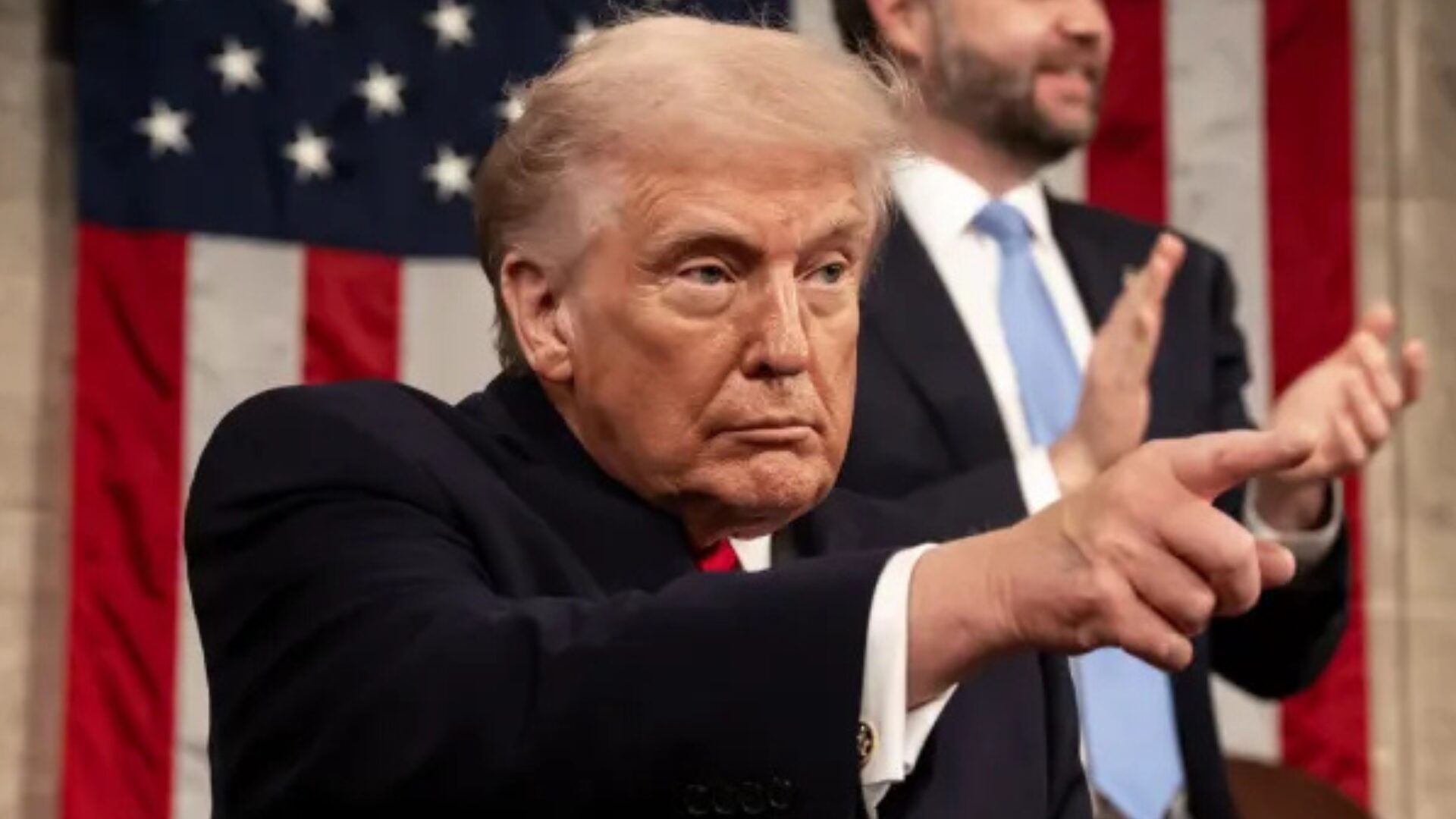
“And nor will this president, who very clearly ran against those kinds of never-ending, nebulous-scope missions,” Hegseth said.
“Those days are dead. Instead, we’re winning decisively with brutal efficiency, total air dominance, and an unbreakable will to accomplish the president’s objectives on our timeline.”
When asked what Iran’s future might look like once the joint U.S. and Israeli military campaign concludes, Hegseth declined to offer detailed predictions but said the outcome would ultimately benefit American interests.
He also warned Iran’s new supreme leader, Mojtaba Khamenei, about pursuing nuclear weapons.
“He would be wise to heed the words of our president, which is to not pursue nuclear weapons and to come out and state as such,” Hegseth said.
President Donald Trump has previously criticized Mojtaba Khamenei, the son of the late Ayatollah Ali Khamenei, calling him a “lightweight” and an “unacceptable” choice to lead Iran.
During an interview on Monday night with Fox News, Trump also commented on Iran’s leadership.
“I don’t believe he can live in peace,” Trump said.
The conflict between the United States and Iran began Feb. 28 with the launch of Operation Epic Fury, a campaign focused on crippling Iran’s missile systems, naval forces, and military infrastructure.
The opinions expressed by contributors and/or content partners are their own and do not necessarily reflect the views of LifeZette. Contact us for guidelines on submitting your own commentary.







![Donald Trump Slams Chicago Leaders After Train Attack Leaves Woman Critically Burned [WATCH]](https://www.right2024.com/wp-content/uploads/2025/11/Trump-Torches-Powell-at-Investment-Forum-Presses-Scott-Bessent-to-350x250.jpg)