If you’re like me and believe that America has one too many overly litigious or sensitive citizens who would sue or punish anyone over anything at the first chance they get (maybe for some money, maybe for some fame), then you will enjoy this wild but admittedly stupid story about a first grader dragged into a lawsuit over a drawing.
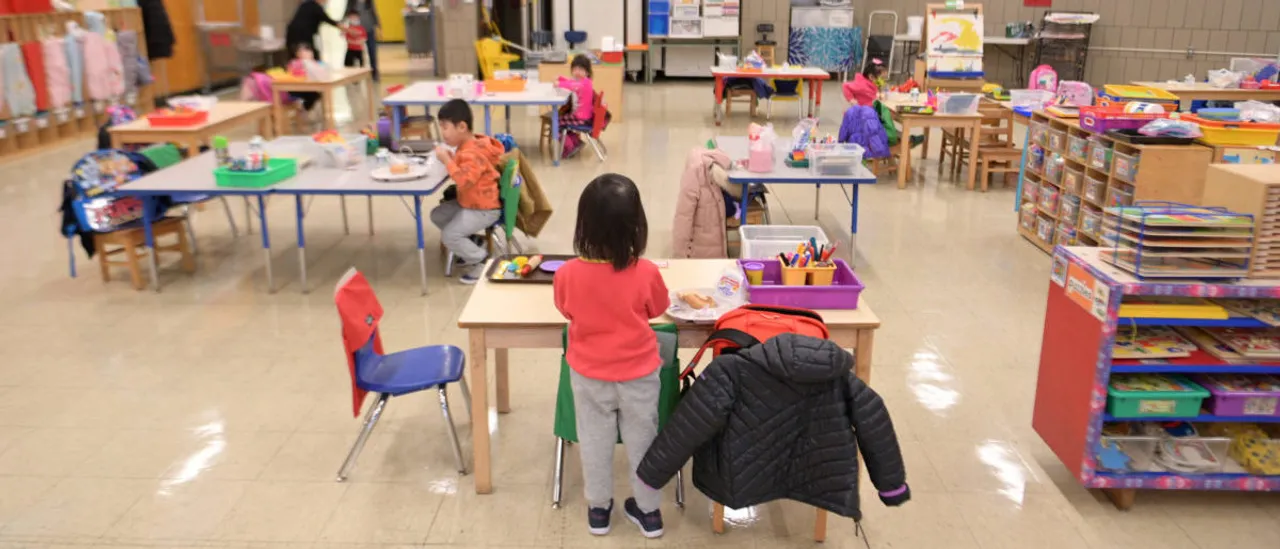
In 2021, “B.B.,” the plaintiff, was a first grader at Viejo Elementary School in Southern California. After a class lesson on MLK Jr., B.B. decided to draw a picture showing “all her friends holding hands” because she “felt bad” that “black people … were put in a worse position.” The picture reportedly included “Black Lives Mater [sic] any life.”
B.B. then gave the drawing to her black classmate, “M.C.,” who reportedly thanked her for it. M.C. then took the drawing home to her mother. However, the mother was “concerned” because M.C. was the only black student in the class.
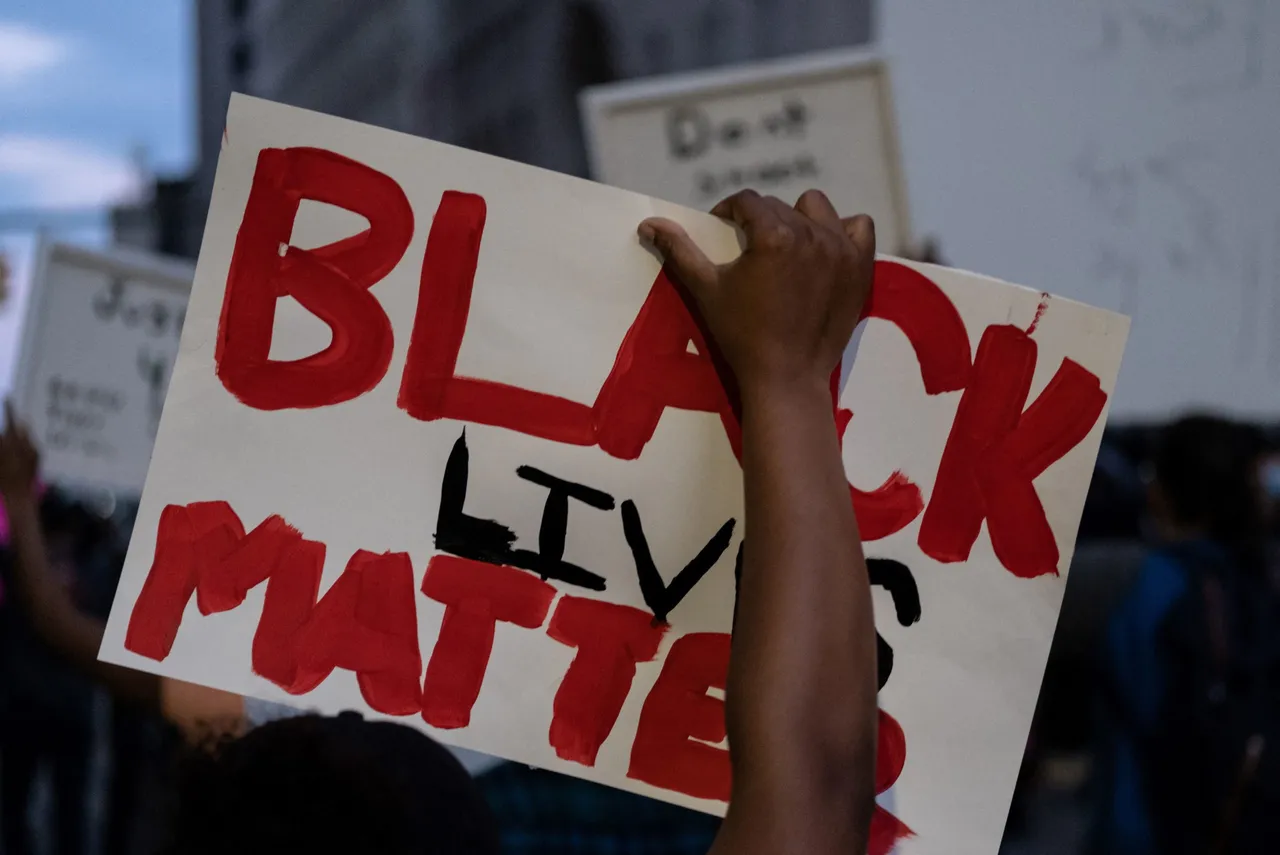
A person holds up a placard that reads, ‘Black lives matter’ during a protest in the city of Detroit, Michigan, on May 29, 2020, during a demonstration over the death of George Floyd, a black man who died after a white policeman knelt on his neck for several minutes. – Violent protests erupted across the United States late on May 29, over the death of a handcuffed black man in police custody, with murder charges laid against the arresting Minneapolis officer failing to quell boiling anger. (Photo by SETH HERALD/AFP via Getty Images)
The following day, M.C.’s mother reportedly emailed the school principal, Jesus Becerra, and asked the school to take action. She and her husband would not tolerate “any more messages given to our daughter because of her skin color,” and that “we do not send [M.C.] to school with flyers or propaganda. We only send her to school to learn the curriculum and that is it,” they reportedly wrote in the email.
Although Becerra denies it, the plaintiffs alleged that he told B.B. the drawing was “not appropriate” and “racist” and that she should stop distributing her drawings to other students. B.B. was also reportedly barred from recess for two weeks and forced to apologize to M.C.
B.B., however, did not tell her parents about what was happening at school. Eleven months later, her mother finally learned of the punishment and subsequently filed a complaint with the school district. The school reportedly denied that there was evidence to back up B.B.’s claims, and so she was disciplined again.
Finally, B.B.’s mother filed a lawsuit in federal court, alleging that the punishment was a violation of her daughter’s First Amendment rights.
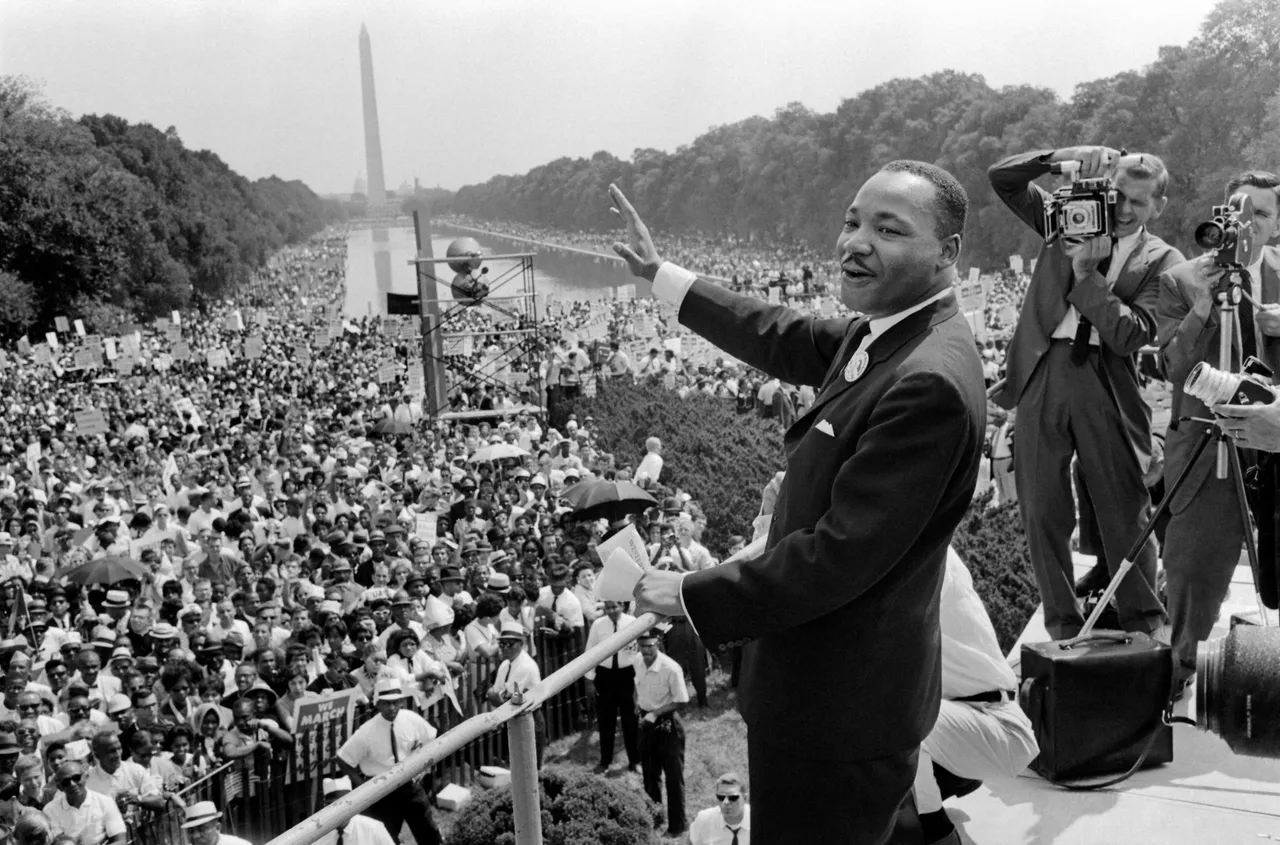
US civil rights leader Martin Luther King (C) waves to supporters 28 August 1963 on the Mall in Washington, DC (Washington Monument in background) during the “March on Washington”, where King delivered his famous “I Have a Dream” speech, which mobilized supporters of desegregation and prompted the Civil Rights Act of 1964. King said the march was “the greatest demonstration of freedom in the history of the United States.” Martin Luther King was assassinated on 04 April 1968 in Memphis, Tennessee. James Earl Ray confessed to shooting King and was sentenced to 99 years in prison. King’s killing sent shock waves through American society at the time, and is still regarded as a landmark event in recent US history. (Photo by -/AFP via Getty Images)
The whole incident is mind-numbingly dumb. It’s good that they sued, of course. But the fact that they even had to, that it stemmed from the most innocent interaction in the whole world — two kids sharing a picture — is ludicrous.
Nevertheless, in a big win for the plaintiff Tuesday, a three-judge panel of the Ninth Circuit Court of Appeals ruled that, yes, even elementary school students have First Amendment protections.
“We hold that elementary students’ speech is protected by the First Amendment, the age of the students is a relevant factor under Tinker, and schools may restrict students’ speech only when the restriction is reasonably necessary to protect the safety and well-being of its students,” the panel wrote, referencing the 1969 U.S. Supreme Court decision on student-speech decision in Tinker v. Des Moines Independent Community School District.
This latest ruling vacates a district court’s judgment, “which ruled that school administrators have unchecked authority to punish student speech,” according to the pro-bono organization representing B.B., Pacific Legal Foundation. The appellate court has now kicked the case back for more proceedings.
The “ruling affirms what should be obvious: Students don’t lose their constitutional rights just because they’re young,” Caleb Trotter, senior attorney at Pacific Legal Foundation, said in a statement.
“The Constitution protects every student’s right to free expression. No child should be punished for expressing a well-intentioned message to a friend.”





![Donald Trump Slams Chicago Leaders After Train Attack Leaves Woman Critically Burned [WATCH]](https://www.right2024.com/wp-content/uploads/2025/11/Trump-Torches-Powell-at-Investment-Forum-Presses-Scott-Bessent-to-350x250.jpg)