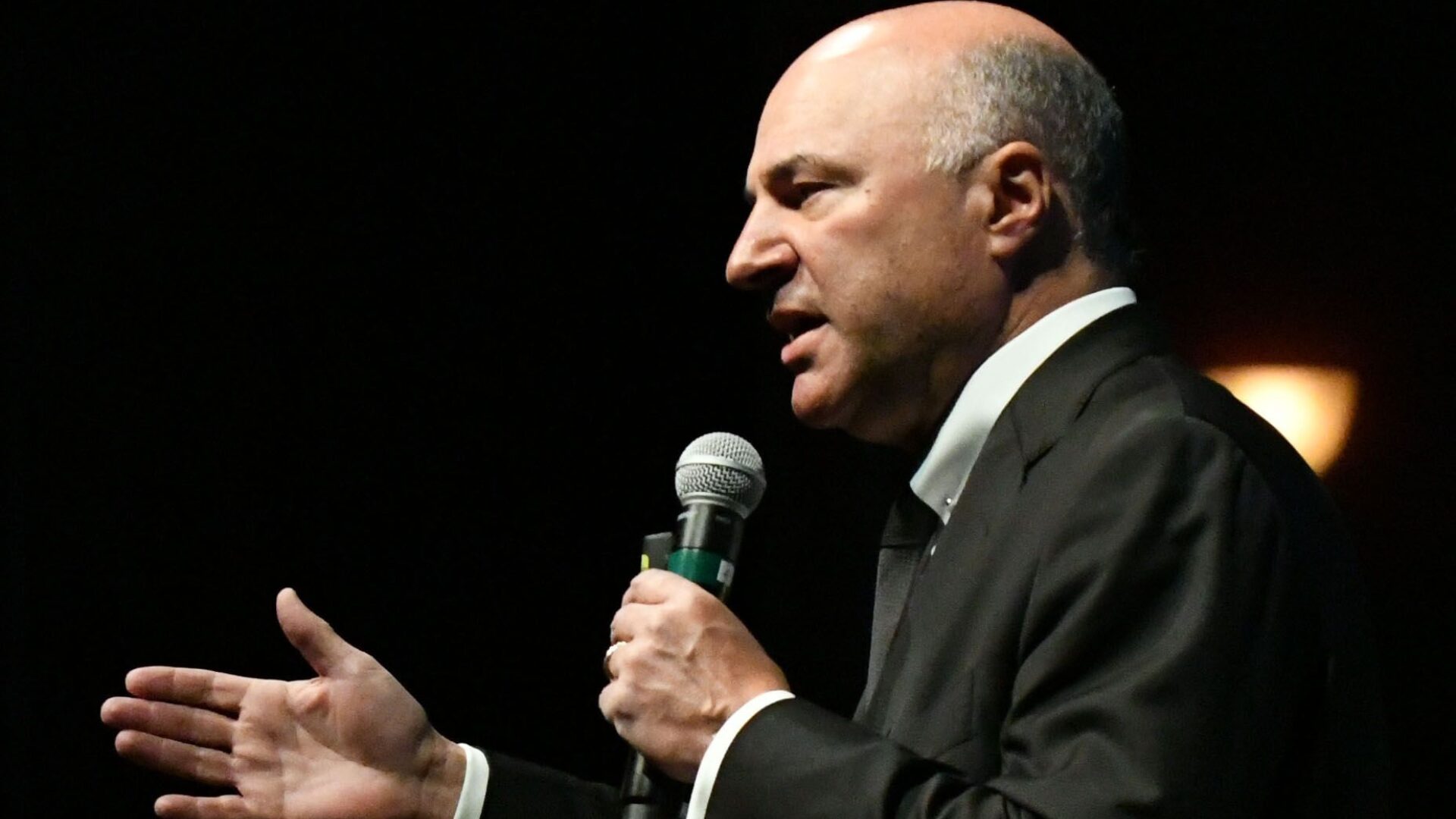
Investor Kevin O’Leary said a coalition of nations may be required to secure the Strait of Hormuz as global concerns continue about potential disruptions to one of the world’s most critical shipping routes for energy supplies.
During a discussion with Fox News host Harris Faulkner, O’Leary argued that keeping the narrow waterway open is essential for global economies that rely on the steady flow of oil and other goods moving through the region.
The Strait of Hormuz connects the Persian Gulf to the Gulf of Oman and serves as a key transit corridor for international energy markets. Any disruption to shipping in the area can have wide-reaching effects on oil prices and global trade.
Here’s What They’re Not Telling You About Your Retirement
O’Leary said maintaining access to the route will likely require coordination among countries that depend on the strait, particularly oil-producing nations in the region.
“For all global economies to keep it open, and it is open. Same thing is going to have to happen here in the Strait of Hormuz,” O’Leary said.
He said the responsibility may ultimately fall on nations with a direct interest in the stability of the route.
“So we’re going to have to get a coalition of the countries that care, and that’s going to be the oil producing countries in that region,” O’Leary said.
This Could Be the Most Important Video Gun Owners Watch All Year
According to O’Leary, such an effort could involve establishing a permanent security presence to protect the shipping lane, similar to past international peacekeeping missions.
“They’re going to have to pay it’s going to be a daily security force, no different than the United Nations did in the 60s on the island of Cyprus,” he said.
O’Leary said the cost of maintaining such a force could reach billions of dollars but argued that the expense would be relatively small compared to the potential economic damage caused by disruptions to shipping through the strait.
“It costs billions, maybe a billion a month, but that is a fraction of what the disruption costs are occurring right now in the world,” he said.
He also referenced spending already incurred by the United States in relation to the situation.
“I think the US cost so far about 11, $12 billion I know it sounds like a lot of money,” O’Leary said.
Despite the size of that figure, he suggested the cost should be considered in the broader context of protecting global commerce and international economic relationships.
“It’s a rounding error in the cost of this thing, staying close to all of our allies that buy our goods and services,” O’Leary said.
He said long-term policy changes could emerge from the current situation.
“So you have to put it in context. When we get out of this thing, I guarantee you there will be a new policy on keeping that two mile stretch. That’s all it is that the Iranians say they’re mining right now,” he said.
O’Leary added that maintaining access to the waterway would remain a priority regardless of future costs.
“Who knows. But the point is that will stay open in perpetuity, no matter what the cost is,” he said.
Faulkner noted that U.S. forces have been closely monitoring the situation in the area and provided an update during the discussion about the latest reports regarding possible threats.
“Reportedly our US military has been able to kind of keep watch, close watch on that,” Faulkner said.
She said the most recent information indicated that mines had not been detected in the shipping channel.
“There are no minds in it right now, as of when we went to report for 53 minutes ago,” Faulkner said.
Faulkner also cautioned that the situation remains fluid and could change quickly.
“And as you say, we don’t know that can change moment by moment,” she said.
WATCH:
The exchange highlighted ongoing concerns about the stability of the Strait of Hormuz and the potential impact that any disruption in the narrow passage could have on international energy markets and global trade.

![Donald Trump Slams Chicago Leaders After Train Attack Leaves Woman Critically Burned [WATCH]](https://www.right2024.com/wp-content/uploads/2025/11/Trump-Torches-Powell-at-Investment-Forum-Presses-Scott-Bessent-to-350x250.jpg)

![James Carville Admits Democrats Had No Shutdown Endgame, Mishandled Strategy [WATCH]](https://www.right2024.com/wp-content/uploads/2025/11/1763070634_James-Carville-Admits-Democrats-Had-No-Shutdown-Endgame-Mishandled-Strategy-350x250.jpg)