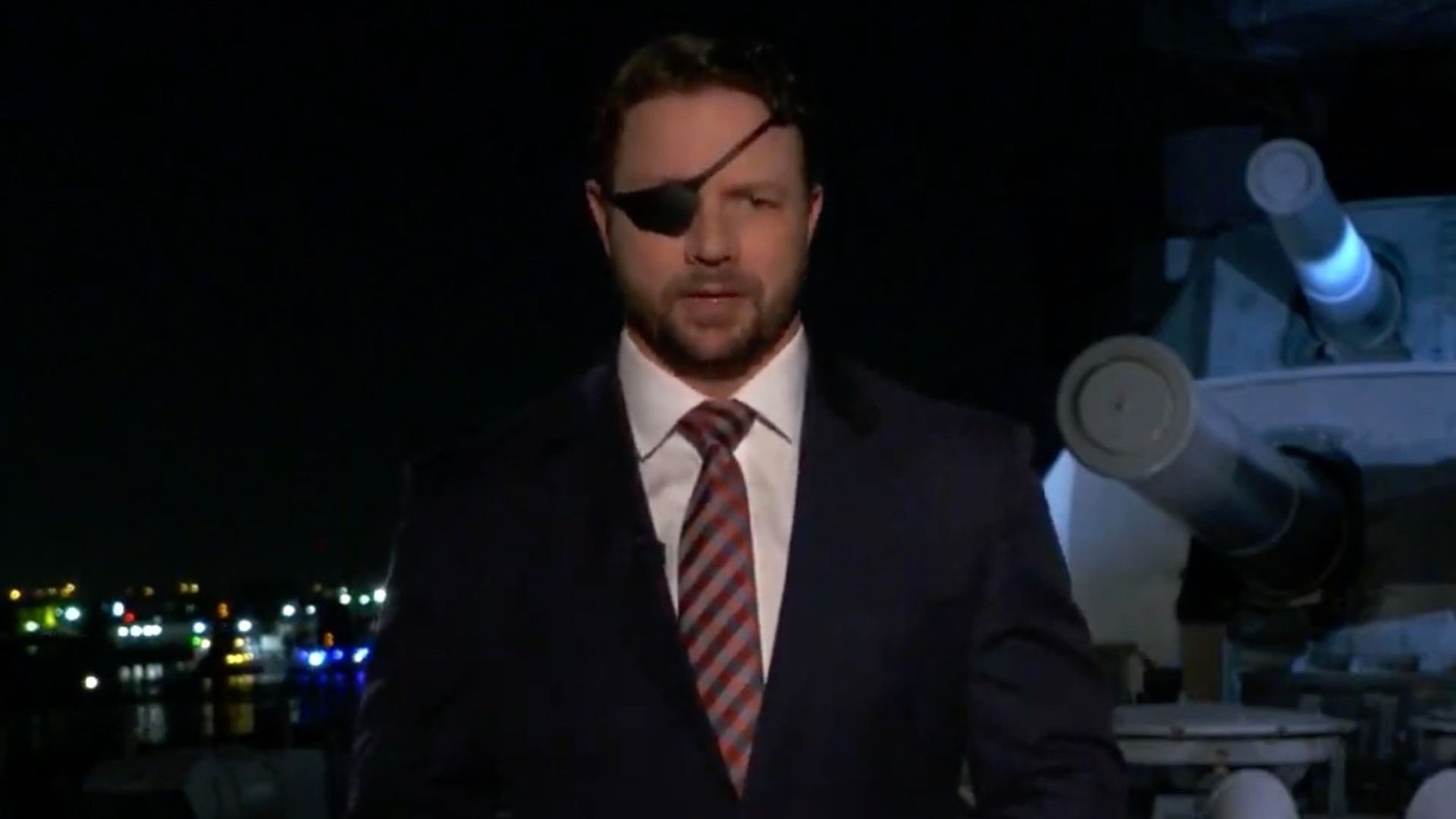
Rep. Dan Crenshaw said misinformation and online conspiracy theories contributed to his recent primary loss, arguing that false claims and low voter participation had a significant impact on the outcome.
Crenshaw discussed the issue during an interview with Margaret Brennan, who asked him about remarks he made regarding the role of misinformation in modern political campaigns.
“You spoke about this culture of misinformation we’re living in, and you pointed to that as one of the factors in your recent primary loss,” Brennan said. “What lessons, lessons should other Republicans take from that? What do you mean?”
Here’s What They’re Not Telling You About Your Retirement
Crenshaw said he has long been the target of online attacks and conspiracy theories and suggested that those efforts intensified during the primary campaign.
“Well, I mean, I’m a unique Republican, you know, I’ve been the target of online smears and conspiracies for a very long time, my election was basically a product of that,” Crenshaw said.
Crenshaw pointed to low turnout among Republican voters during primaries as a factor that can amplify the effect of misinformation.
“You know, first of all, you have about 20% of Republican voters bothering to even vote at a primary,” Crenshaw said.
This Could Be the Most Important Video Gun Owners Watch All Year
According to Crenshaw, many voters entered the polling booth believing claims he said had been repeatedly disproven.
“And then you have dozens of online smears and conspiracies that people were going into the voting booth actually believing,” he said.
Crenshaw cited one example involving accusations of insider trading that circulated online during the campaign.
“I mean, believing that was worth millions of dollars from insider trading,” Crenshaw said.
He said the claims continued to spread even after efforts to challenge them.
“Doesn’t matter how many times we thought we had debunked that, or that, or that, or that, other people and influencers and what have not have debunked it, all of these things, people still went in believing it,” Crenshaw said.
Crenshaw argued that political campaigns must continue working to counter false information, but he said voters also bear responsibility for evaluating the credibility of what they read and hear.
“And so the lesson to be learned is like, you’ve got to get the truth out. You’ve got to try,” Crenshaw said.
“But ultimately, this is a question for the American people are going to believe everything you’re going to believe everything you read online or that’s sent to you in your mail?” he added.
Crenshaw also said Democratic groups spent significant resources amplifying negative claims about him during the campaign.
“I mean, Democrats spent almost a million dollars also pushing these smears on television,” he said.
He questioned whether Republican voters should rely on information promoted by political opponents.
“The Republican voters are going to voting booth believing what a Democrat told them on TV based on a smear headline written by a liberal reporter in DC,” Crenshaw said.
Crenshaw said the issue goes beyond a single campaign and reflects a broader challenge facing voters and candidates alike.
“So that’s the lesson, and it’s not just for Republican politicians,” he said.
“It’s a lesson for Republican voters.”
Brennan concluded the exchange by acknowledging his remarks.
“Misinformation, Congressman, we appreciate your time today,” Brennan said.
WATCH:




![Donald Trump Slams Chicago Leaders After Train Attack Leaves Woman Critically Burned [WATCH]](https://www.right2024.com/wp-content/uploads/2025/11/Trump-Torches-Powell-at-Investment-Forum-Presses-Scott-Bessent-to-350x250.jpg)