SACRAMENTO, Calif. — California’s political leaders continually replay the following scenario: Identify a serious problem. Propose massive new government spending programs to address the identified problem. Spend the money without much tracking or oversight. Declare great progress, even though such progress is impossible to find. Ignore oversight reports explaining that the money has been poorly spent or has yielded few results. Rinse and repeat.
It’s frustrating living in a state that measures success by how much public money is spent — rather than by the progress the spending has made in reducing problems, but here we are. This is a constant theme when it comes to the state’s education programs. The state continually spends more money, then calls for even more spending when test scores provide bleak results. It continually ramps up spending to address climate change, then calls for even more money as the state misses its air-quality goals. Myriad examples abound.
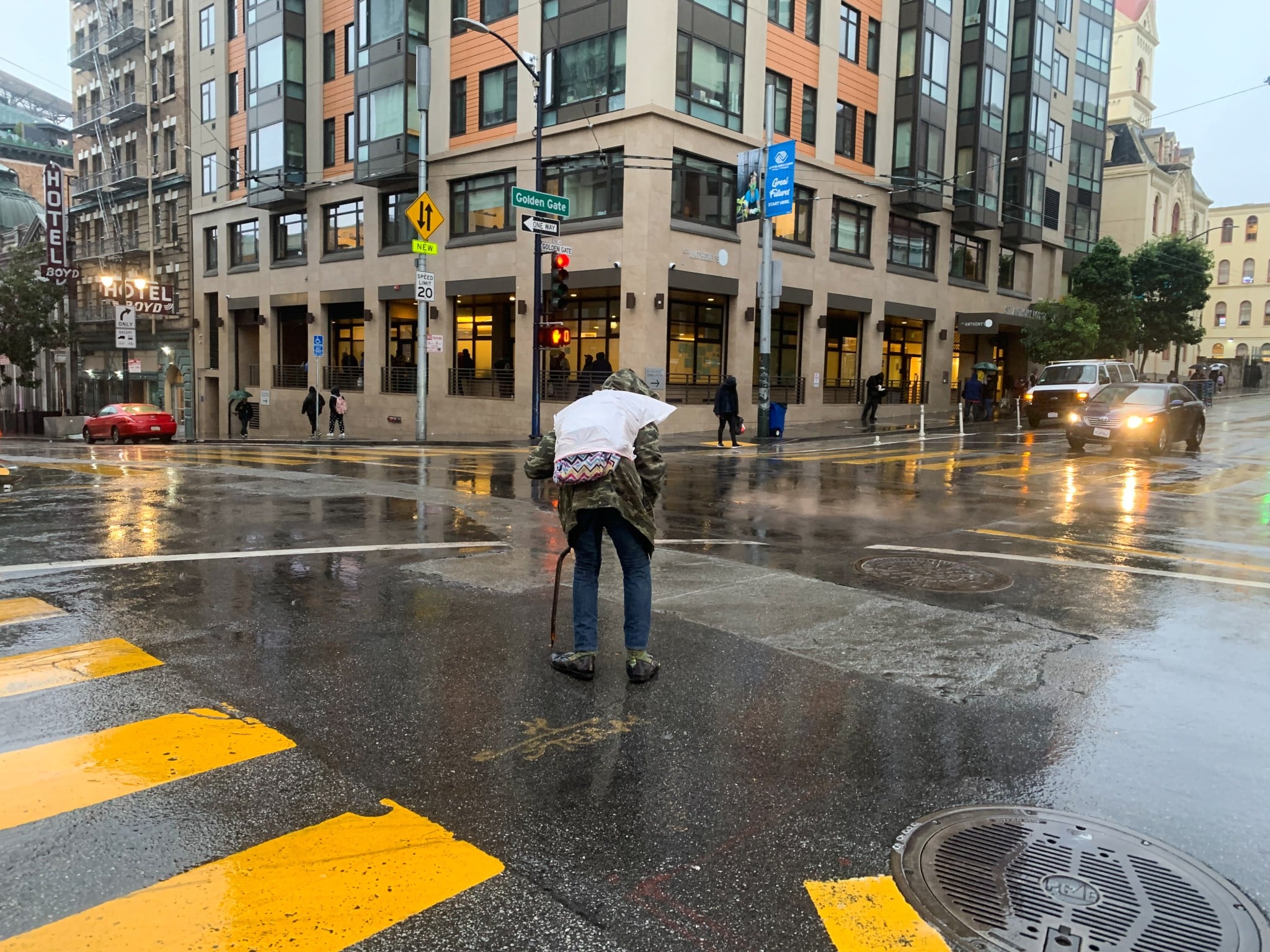
The latest involves mental health funding and homelessness. In March 2024, California voters approved — at the behest of the governor and Legislature — a $6.4 billion bond to fund such programs to address the state’s homelessness crisis. It sounds sensible. The vast majority of California’s homeless population suffers from mental health and addiction issues. Getting people treatment is a reasonable step toward getting them off the streets.
“California does not have enough places where people can get this care and treatment. This shortage means that many people wait for care or do not receive care at the right type of place. To address the shortage, places for treatment in California would need to be able to see over 10,000 more people at any one time than is possible today,” according to the Legislative Analyst’s Office.
Opponents raised the right points: Such programs are better funded by the general fund rather than using debt spending. The bond ties the hands of counties by reallocating existing resources and local programs tend to be most effective. The measure incentivizes institutionalization and was rushed through the Legislature, per the League of Women Voters.
Nevertheless, voters approved Proposition 1 by the slimmest margins, so that’s life in a democracy. The main question, for the purpose of this essay: Has the bond provided — or is it on track to provide — the promised number of treatment beds? According to Gov. Gavin Newsom, the answer is a resounding yes.
“Proposition 1 is doing exactly what we promised it would do: transforming California’s behavioral health system,” according to a March 11 statement from the governor’s office. “In just two years, we didn’t just meet our goal of creating 6,800 treatment beds; we exceeded it. That means we’re finally closing the gap that’s left too many communities without the care they need.”
Yet a March 12 report from CalMatters came to a starkly different and less encouraging conclusion: “None of the projects expected in 2025 under … Newsom’s mental-health ballot measure have opened.” The administration boasted that 10 of the first 124 projects would be done last year, but the publication found that nine of them were delayed and another one was cancelled. What about those 6,800-plus beds that Newsom touted? “[T]hose projects, though they have now been funded, have yet to come to fruition,” per the publication.
That last line says it all: Funding projects is not the same metric as building them and making them operational. There are plenty of plausible excuses, of course. But I’m not persuaded. State and local bonds often fall short of their promises, with officials blaming inflation and other economic conditions. There’s always some unexpected variable that poses challenges to construction projects. Typically, however, public officials typically overpromise results to gain political support, then move on to other pipedreams after the bonds fail to deliver the desired results.
A 2024 CalMatters report looked at the 2018 “No Place Like Home” bond measure to provide homeless housing: “Voters who read the Yes campaign’s description of the measure that November saw a bold promise: 20,000 new units of permanent supportive housing. More than five years later, the state has completed just 1,797 No Place Like Home units.” The numbers have gone up since then, but it’s always wise to take any initiative’s promises with a grain of salt.
In January, the governor touted a major drop in the homeless population, which sounds like good news. But his numbers might be as shaky as his Proposition 1 numbers: “[T]he official counting process is so limited — searching for the unhoused on a single day in January — it is a dubious data point at best. Its only value is to compare current bad numbers to previous and equally bad totals,” argued Tom Philp in a Sacramento Bee column following Newsom’s announcement.
Whether or not his numbers were right or wrong, at least Newsom was commenting on outcomes — e.g., the number of homeless people — rather than the state government’s usual fixation on programs and spending.
The state still embraces a counterproductive “housing first“ approach that prioritizes the construction of permanent housing for homeless people, rather than providing them with the mental health and addictions services they need to get their lives on a sustainable path. So I’d like to see these mental health programs succeed, as they offer an obvious solution. But if history is a guide, there’s no sense having much optimism that the state government can come close to delivering on its promises.
Steven Greenhut is Western region director for the R Street Institute. Write to him at [email protected].
READ MORE:
Maybe the Pension Mess Can Go on Forever






![Donald Trump Slams Chicago Leaders After Train Attack Leaves Woman Critically Burned [WATCH]](https://www.right2024.com/wp-content/uploads/2025/11/Trump-Torches-Powell-at-Investment-Forum-Presses-Scott-Bessent-to-350x250.jpg)

![Two Dead, 14 Injured After Gunfire Erupts Following College Football Game in Alabama [WATCH]](https://www.right2024.com/wp-content/uploads/2025/10/Two-Dead-14-Injured-After-Gunfire-Erupts-Following-College-Football-350x250.jpg)
![James Carville Admits Democrats Had No Shutdown Endgame, Mishandled Strategy [WATCH]](https://www.right2024.com/wp-content/uploads/2025/11/1763070634_James-Carville-Admits-Democrats-Had-No-Shutdown-Endgame-Mishandled-Strategy-350x250.jpg)