James Cartlidge has an ambitious project for a shadow defence secretary with no civil servants, no budget, and no immediate prospect of either. He wants to complete “a strategic defence review in opposition” – a worked-through plan, costed and ready, so that should the Conservatives arrive in government in 2029, they don’t spend their first year staring at blank pages.
It is, he would be the first to recognise, a response to experience. When Labour won in 2024, it commissioned a sweeping external Strategic Defence Review – an exercise that consumed the better part of a year and, in Cartlidge’s telling, achieved rather less than advertised. “Labour just wanted to trash the previous government and do a completely fresh Strategic Defence Review – a boil the sea approach,” he says.
When it landed last June, Cartlidge condemned it as “underfunded and entirely unimpressive” – the review answered the broad questions and saw hard ones about how to put recommendations into actions deferred to a Defence Investment Plan to follow. For Cartlidge, who served as Defence Procurement Minister and understands the MOD-Treasury relationship with some intimacy, having been in both departments, the diagnosis was clear enough: “Labour has allowed the treasury to dominate the Ministry of Defence.”
Privately the contrast is made to the 2010 Strategic Defence and Security Review announced by the coalition government: it was internal and costed. Labour’s version, Cartlidge argues, outsourced the difficult choices and buried them.
The practical result has been a procurement freeze, with the SDR used as a fig leaf. The DIP is still nowhere to be seen, despite having been promised first in autumn 2025, then Christmas – and now it looks like it won’t be until at least after the local elections as purdah will strike from March 26.
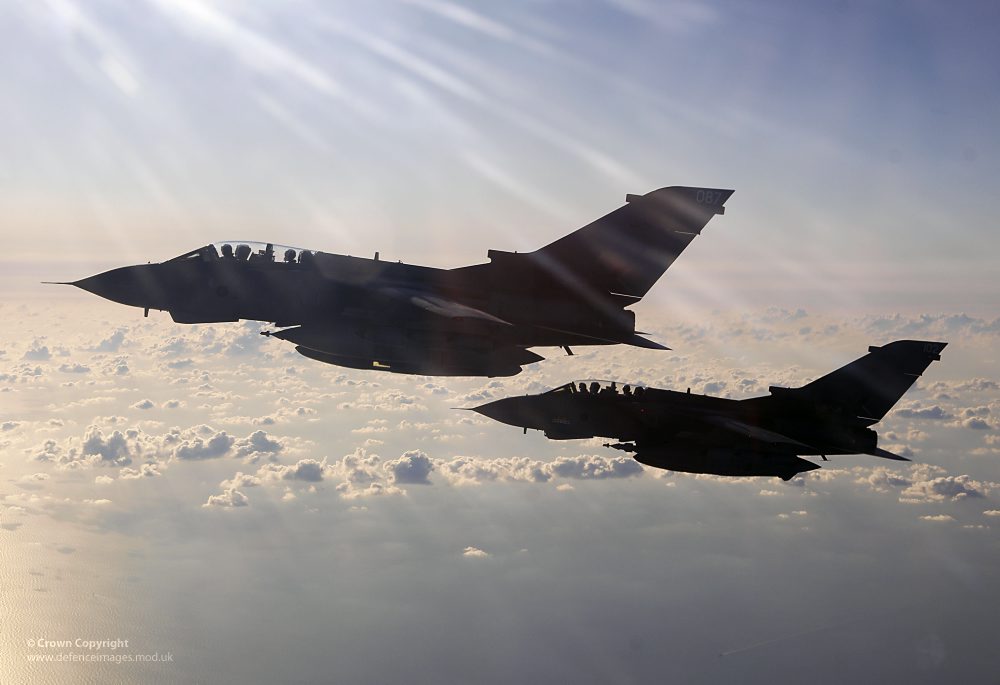
While ministers wait for their review, purchasing decisions have stalled. Munitions stocks – already drawn down substantially by transfers to Ukraine, which Cartlidge supports – remain worrisome. He refers back to the previous Conservative government’s plan at the last election: £10 billion in additional munitions spending, funded by reducing the size of the civil service. It did not survive the change of government. “We don’t have to have shortages,” Cartlidge says. There are choices to be made.
Cartlidge’s answer to the regularly deployed 14-years argument – that the Ukraine transfers were right, that a replenishment plan existed, that Labour cancelled it – is not without merit, though whether it cuts through is doubtful.
What is more interesting is what he is trying to build now. The insistence on fiscal rigour is genuine. “We are really disciplined on ‘how are you going to find the money’ to do something,” he says – and is in close communication with LOTO and the shadow treasury team. Take the sovereign defence fund, intended to mobilise both public and private capital for capabilities, which gestures toward hardware.
The other policy work done so far is primarily about people – recruitment, retention, the not-unreasonable aspiration that those who serve should be able to have families. He wants the party to be seen as the one “most in step with technology.” And he wants the whole prospectus to be “all in line with Conservative values.”
One of the most eye-catching proposals has been the plan to reinstate the two-child benefit cap and direct the proceeds toward defence spending and a larger army. Cartlidge has given this ideological scaffolding that he calls “the end of dependency” – a phrase that does two jobs at once. It describes the geopolitical imperative to reduce reliance on other countries, and the domestic argument for individuals’ standing on their own two feet. It is a framing of choice: directing public spending away from welfare and into defence.
“There is a huge tectonic shift which means we have to spend more on defence and less on welfare,” he says. Expect more policies to come up that put that on display.
There is, running beneath all of this, a values argument that Cartlidge is quite open about. Policy in opposition is not just preparation for government – it is a signal of intent, a way of communicating what the party stands for at a moment when it is renewing and can’t make specific announcements of commissioning a new ship, for example, while making it sound believable right now. 2029 is still far away, so the opposition defence review he speaks of is a long-term project, and one that will be built up with those specific policies nearer the time.
But this is not to be too cynical about it. “It’s critical,” Cartlidge says. “I don’t want to repeat the same mistake should we find ourselves in government. We don’t want to waste months without specific plans.” That is a sensible ambition.
The security environment is not in doubt and defence is migrating – with some speed – from the margins of British political debate to somewhere near its centre. As opposition pitches go, it is not immediately the most stirring, but if it means there is an implementable defence plan come 2029 then it is a venture worth completing.





![Donald Trump Slams Chicago Leaders After Train Attack Leaves Woman Critically Burned [WATCH]](https://www.right2024.com/wp-content/uploads/2025/11/Trump-Torches-Powell-at-Investment-Forum-Presses-Scott-Bessent-to-350x250.jpg)