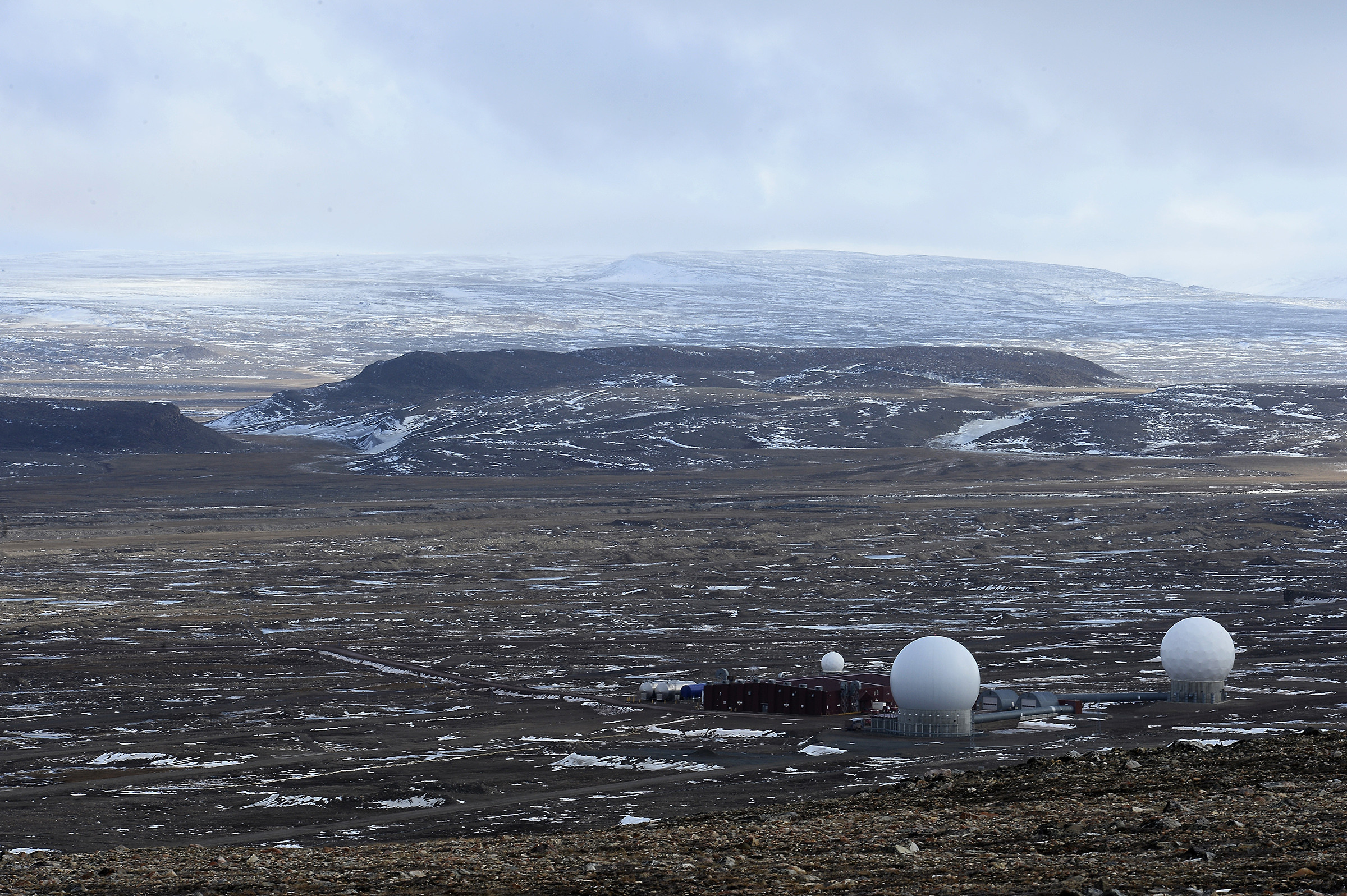
Denmark’s public broadcaster reported that in January the Danish government mobilized soldiers and explosives in Greenland as a contingency to obliterate key runways if the United States sought to seize the semiautonomous island.
The plan targeted landing strips in Nuuk and Kangerlussuaq, designed to prevent American aircraft from landing troops and equipment.
Danish blood banks even flew in supplies to treat potential casualties, underscoring the seriousness of the preparation.
Here’s What They’re Not Telling You About Your Retirement
The mobilization unfolded amid President Donald Trump’s push to annex Greenland, a stance that drew immediate and widespread opposition in Denmark and Greenland, as well as among residents there.
The episode reveals the intensity of the strategic contest over the island and its value for broader national security calculations.
The narrative also shows how security, alliance, and sovereignty concerns can become entwined in a volatile geopolitical moment.
In January, a degree of public thaw appeared when Trump claimed that he had “formed the framework of a future deal” with NATO Secretary General Mark Rutte regarding Greenland’s future.
This Could Be the Most Important Video Gun Owners Watch All Year
No further details have been released, but the remark signals how Greenland figures into larger discussions about security architecture and alliance commitments.
A White House official asserted that such an agreement is “being worked on” and will be “amazing for the U.S.A.” The official added that “Greenland is a strategically important location that is critical from the standpoint of national security, and this deal is very important to advancing U.S. national security.”
The comments reflect a belief that Greenland’s position is pivotal for U.S. strategic options and that any agreement would carry significant implications for regional and global security.
Meanwhile, the United States has been coordinating with Denmark to expand its security assets on the island. A 1951 treaty between the two nations allows American forces to maintain a military presence in Greenland, and U.S. officials described the arrangement as frankly favorable to future operations.
The arrangement aligns with broader goals of deterrence and homeland defense, even as political tensions about Greenland’s sovereignty continue to unfold.
“It’s frankly very favorable to our operations or potential operations in Greenland,” Gen. Gregory Guillot, the commander of the U.S. Northern Command, said in a testimony before the Senate Armed Services Committee.
“We have three areas that we’d like to negotiate with Denmark and Greenland to see if we could expand the defense areas from Pituffik, where we are now, into these other areas, which would help our homeland defense mission.”
The statement captures the practical questions about where and how security assets could be expanded on the island to support broader defense objectives.
Guillot also described his discussions with the Greenland government as “very productive.” The tone of his remarks underscored a continuing effort to foster cooperation and clarify security roles as the United States, Denmark, and Greenland work through sensitive issues about defense, sovereignty, and strategic access.
The overall context remains fluid as officials weigh how Greenland’s geography fits into postures, basing rights, and regional deterrence in the Arctic.
The unfolding story demonstrates how far-reaching the debate over Greenland has become.
It intertwines questions of military readiness, alliance commitments, and the legitimate rights of Greenland’s residents and Danish authorities to determine the island’s future.
Observers say any outcome will require careful negotiation and transparent consultation with Greenland’s leaders, as well as with Denmark, to ensure that security interests are balanced with local sovereignty and regional stability.
As Washington and Copenhagen move to align on expanded security footprints, the emphasis remains on deterrence and readiness.
The episode illustrates how rapidly security calculations can shift when a strategic location like Greenland sits at the crossroads of American power, European alliance, and Arctic geopolitics.
The dynamic continues to evolve, and officials insist that safeguarding the homeland remains the core objective of every discussion.
The opinions expressed by contributors and/or content partners are their own and do not necessarily reflect the views of LifeZette. Contact us for guidelines on submitting your own commentary.




![Donald Trump Slams Chicago Leaders After Train Attack Leaves Woman Critically Burned [WATCH]](https://www.right2024.com/wp-content/uploads/2025/11/Trump-Torches-Powell-at-Investment-Forum-Presses-Scott-Bessent-to-350x250.jpg)