Well, of course.
The headline over there at Fox Business was blunt, “Energy prices could fall ‘pretty significantly’ if Iran deal reached, energy secretary says,” with the subtitle, “Energy Secretary Chris Wright says reopening the Strait of Hormuz through a peace agreement could quickly stabilize global fuel costs.”
And unspoken? The effect the reality of energy prices falling “pretty significantly” would have on this November’s congressional elections. In fact, the effect would influence the federal elections not only for the Senate and House but races for state governorships and state legislatures as well.
In fact, there is nothing new about this. But one example of many along these lines took place way back there, a full 60 years ago in 1966.
For those who came in late, two years earlier, in 1964, the Democrat President Lyndon Johnson swept to a 44-state landslide over the GOP nominee Senator Barry Goldwater. But two years later?
In 1966, as noted a mere two years later, Republicans came back and clobbered LBJ and his Democrats in the congressional/gubernatorial elections. The GOP won 47 seats in the House, just shy of taking control of the House for the first time since 1954. They also won three Senate seats, again not enough for control of the Senate, but inching closer.
Another big headline was the GOP’s win of 8 governorships. And notably, one of those state elections that captured headlines in the day was the victory of actor, movie and TV star Ronald Reagan. Reagan came seemingly out of the blue to win a landslide election as governor of California. And you know the rest of that story!
And oh yes. Amidst all those GOP House wins in 1966 was the election of Houston businessman George H.W. Bush to a seat representing Houston in Congress. You know the rest of that story as well!
Which is to say, not one but two future Republican presidents got their start in that 1966 GOP landslide. (With a third president, Bush’s son George W., doubtless taking notes on his Dad’s win. Setting Bush Jr. on the path of his own future career in, first, Texas politics as governor and eventually as a two-term president himself.)
Without question, the LBJ insistence on liberal legislation passed in 1964 and 1965 finally caught up with Democrats in 1966. Surging to the front of the issues of the day was the emerging LBJ-supported War in Vietnam. And close behind was a focus on the economy and crime.
Leading the concern in the crime department was a 1965 riot in the Watts section of Los Angeles. The riot lasted six days, with considerable television coverage of vast looting and burning stores. There were also snipers taking shots at responding police. Collectively, vividly televised, the images coming through American televisions were of a war zone as usually seen in the coverage of foreign countries.
Over 30 people were killed in the Watts riot, and millions of dollars in property damage collectively made the headlines.
The question? What if, instead of riots and an inflation-infected economy driving the election, the reverse had been true? With peace, tranquility, and a thriving economy, the dominant realities of the previous two years after the 1964 election that led into the fall 1966 elections?
In 2026, as that Fox Business headline indicates, a peace agreement with Iran over the Strait of Hormuz that in turn produces a corresponding significant drop in energy prices will, with little doubt, have a real effect on the 2026 elections. And correspondingly, as the 1966 elections illustrated, the opposite can produce a GOP loss.
But without doubt, no one is more aware of this than President Trump and the elders of the GOP who are responsible for the multiple elections taking place throughout the country in 2026.
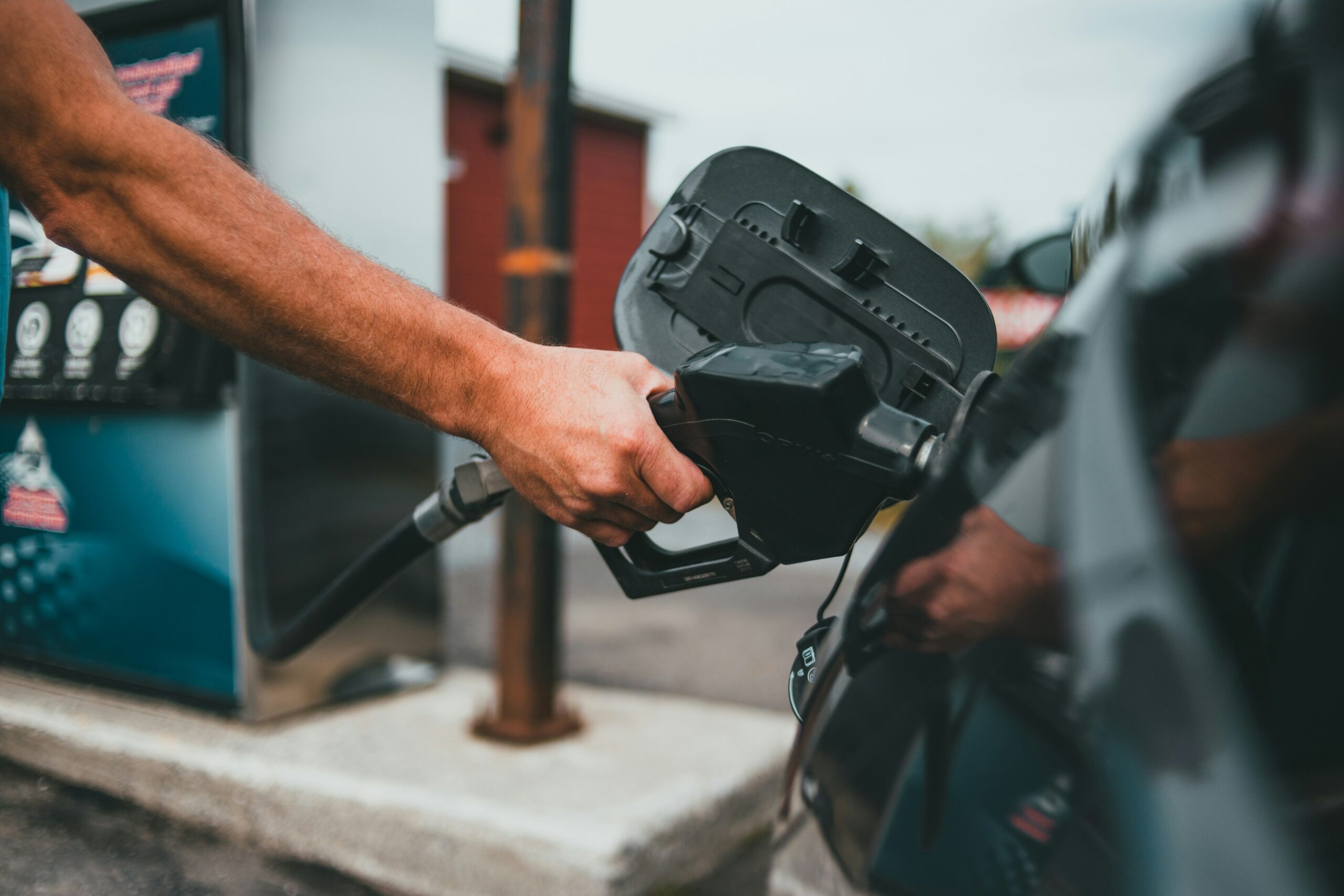
Each of these elections is decidedly unique in its own fashion. What is an issue in one state is not necessarily an issue in another. Yet still and all, with a dominant national issue like energy prices, how much it costs Americans to fill ‘er up at the local gas station can easily become the leading issue in the election. And for the easiest of reasons to understand. Which is that the price of energy is a central driving factor in the state of the economy.
The political formula is as simple as it is ancient. When the economy is in great shape, the party seen as the party responsible for this has the makings of an election win. When the opposite is true, the results reflect that.
So buckle in, America. Starting in April (and actually beginning in what’s left of March!), the rest of 2026, leading to the November elections, will see a considerable political struggle over the shape of the economy and whatever credit or blame is assigned to the players involved. And the price of gas will be out front as an issue.
2026 is already following in the long, very long tradition of congressional and gubernatorial elections held when a president is not on the ballot as a candidate for re-election. With the state of the economy — in this case driven by the price of gas — front and center as issue number one. With whatever is happening in foreign policy — like the state of any war in the Middle East — right behind as issue number two.
And again?
Buckle in, America. Buckle in.
READ MORE from Jeffrey Lord:
![Donald Trump Slams Chicago Leaders After Train Attack Leaves Woman Critically Burned [WATCH]](https://www.right2024.com/wp-content/uploads/2025/11/Trump-Torches-Powell-at-Investment-Forum-Presses-Scott-Bessent-to-350x250.jpg)