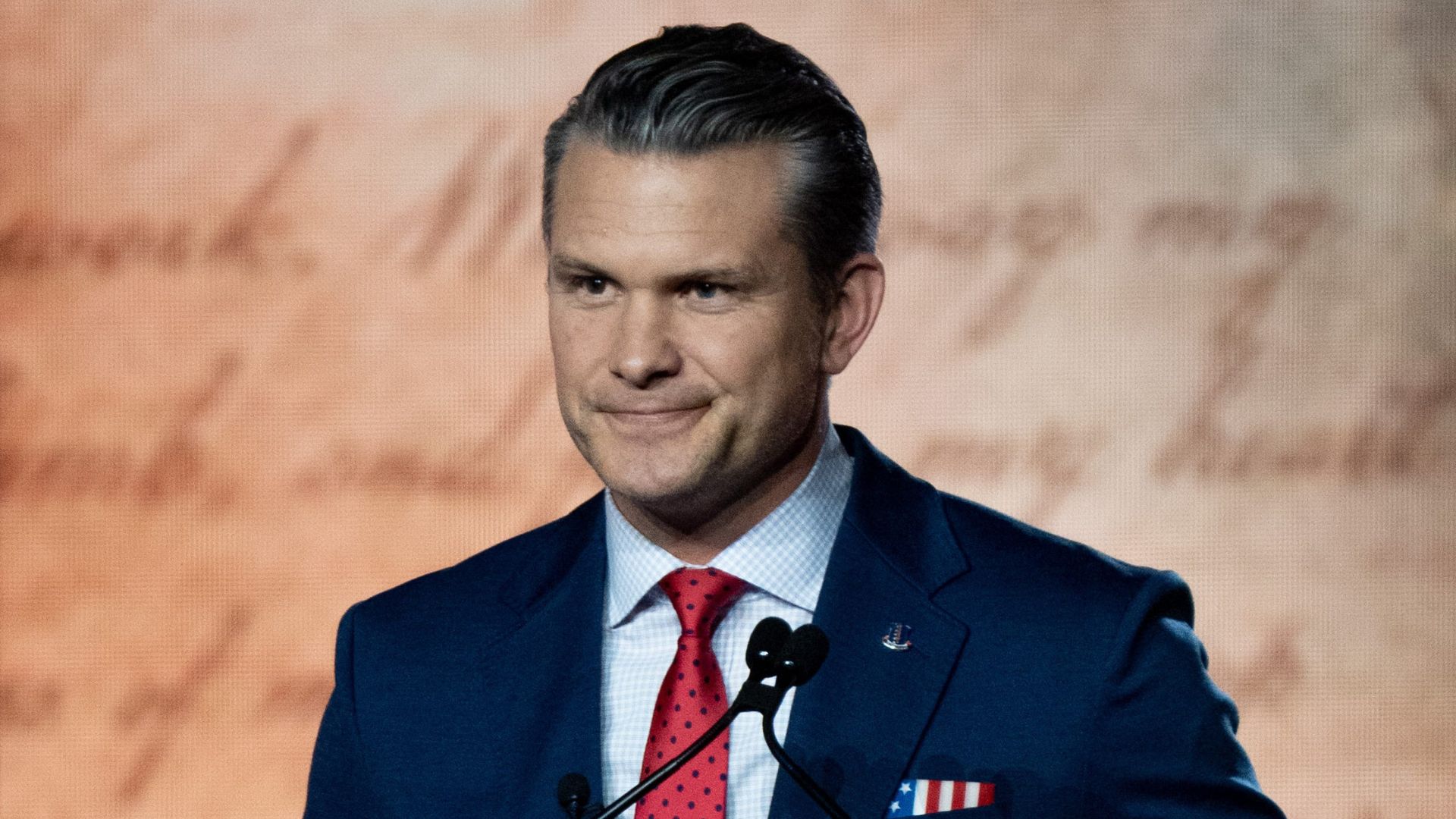
Defense Secretary Pete Hegseth said questions surrounding NATO’s level of support during recent U.S. military efforts could play a role in how the alliance is evaluated moving forward, emphasizing that any final determination will rest with the president.
Hegseth’s remarks focused on the level of cooperation the United States has received from allies during ongoing operations, particularly in areas such as logistical support and access.
He indicated that recent developments have highlighted differences in how allied nations respond when the United States requests assistance.
Here’s What They’re Not Telling You About Your Retirement
“And as far as NATO is concerned, that’s a decision that will be left to the President. But I’ll just say a lot has been laid bare. A lot has been shown to the world about what our allies would be willing to do for the United States of America when we undertake an effort of this scope on behalf of the free world,” Hegseth said.
He noted that the current situation involves missile threats that do not directly impact the United States but instead pose risks to allied nations and regional partners.
Despite that, he said, the U.S. has encountered challenges when seeking support from those same allies.
“These are missiles that don’t even range the United States of America. They range allies and others, and yet, when we ask for additional assistance or simple access, basic overflight, we get questions or roadblocks or hesitations,” Hegseth said.
This Could Be the Most Important Video Gun Owners Watch All Year
Hegseth framed the issue as one that reflects broader questions about the strength and reliability of alliances.
He pointed to the president’s public comments on NATO, suggesting they are rooted in observations about how allies respond in moments of need.
“And the President’s pointing out, you don’t have much of an alliance if you have countries that are not willing to stand with you when you need them. He’s simply pointing that out,” Hegseth said.
The defense secretary said the current situation has provided insight into the operational realities of working with allied nations, particularly when time-sensitive decisions and access requests are involved.
According to Hegseth, the response from NATO members during this period will likely be part of a broader assessment once the operation concludes.
“Ultimately it’ll be his decision of what that looks like after this is complete,” Hegseth said.
WATCH:
Hegseth did not outline specific changes or potential outcomes regarding NATO, but his comments indicate that the administration is closely evaluating the alliance’s role and effectiveness during ongoing military actions.
The remarks come amid continued discussions about burden-sharing among NATO members and expectations for mutual support during international security operations.
While NATO remains a central component of U.S. foreign and defense policy, recent events have renewed scrutiny over how member nations contribute to joint efforts and respond to requests for assistance.
Officials have not announced any immediate policy changes related to NATO, but Hegseth’s comments suggest that the alliance’s performance during current operations could influence future decisions about its structure and the United States’ level of engagement.








![CNN's Kaitlan Collins Fact-Checks Rep. Jasmine Crockett Over False Trump Ballroom Claim [WATCH]](https://www.right2024.com/wp-content/uploads/2025/10/1761954330_CNNs-Kaitlan-Collins-Fact-Checks-Rep-Jasmine-Crockett-Over-False-Trump-350x250.jpg)