Earlier this week in a virtual meeting of the G7, Chancellor Rachel Reeves and Energy Secretary Ed Miliband used it as a moment to encourage allies to follow in the UK’s footsteps and focus on decarbonising energy supplies. This is while our allies have been pushing for the release of more strategic oil reserves.
It is a bold pitch given that Britain’s energy strategy has been slammed by both the Organisation for Economic Cooperation and Development (OECD) and International Monetary Fund (IMF), warning that the UK is especially exposed to higher oil and gas prices and most at risk in the G7 of an energy shock. Why they would take lessons from that is anyone’s question.
Quite different noises are coming out of this government to others, with Sir Keir Starmer urging the public at the start of this week to “act as normal” as he insisted fuel supplies were secure. Meanwhile the European Commission is urging EU capitals to encourage measures to curb oil and gas demand, including pushing people to work from home, drive and fly less.
Despite the evidence in front of them, drilling and new licences in the North Sea remain off the table for Labour.
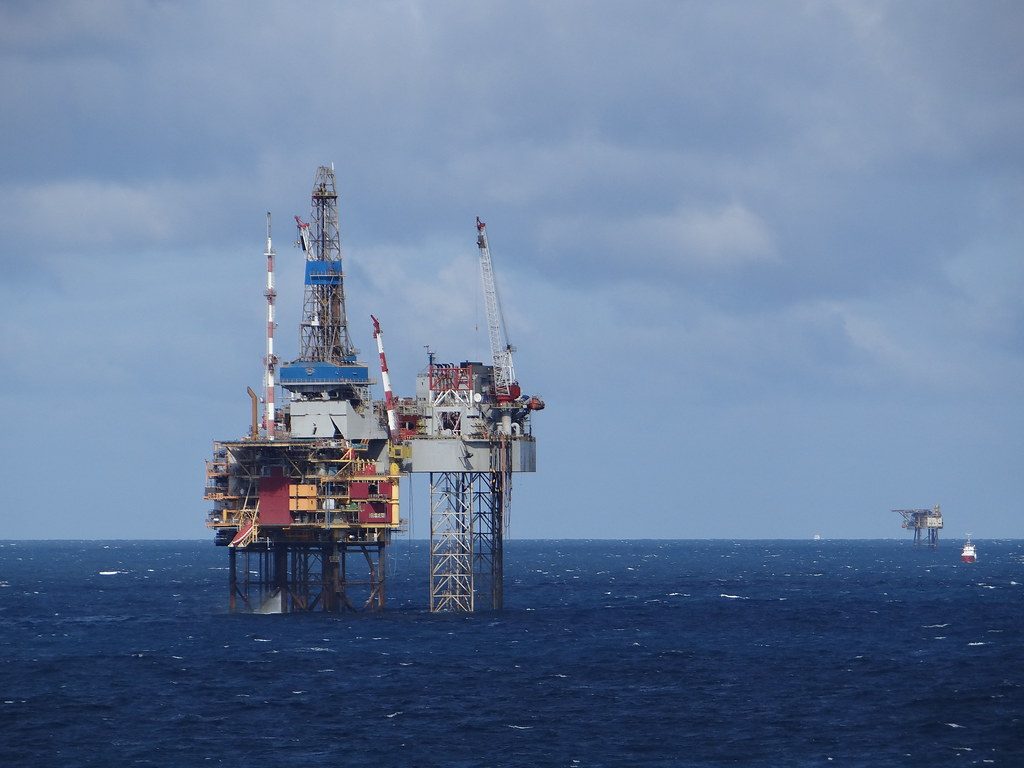
Plans to use resources at Jackdaw gasfield off Aberdeen – which could be supplying gas for a million homes as early as October and will produce emissions eight times lower than liquefied natural gas (LNG) imports that are only set to rise – and Rosebank – the UK’s biggest undeveloped oil and gasfield off Shetland which is believed to contain up to 300 million barrels of oil – that were previously approved are still awaiting final decision, without the green light.
As we continue to import natural gas from Norway, who themselves are making new discoveries, we choose to ignore our own resources in the same basin and even impose a moratorium on further exploration and exploitation – meaning higher costs, with a loss to British jobs and missed tax revenue, ignoring the value of physical security of supply.
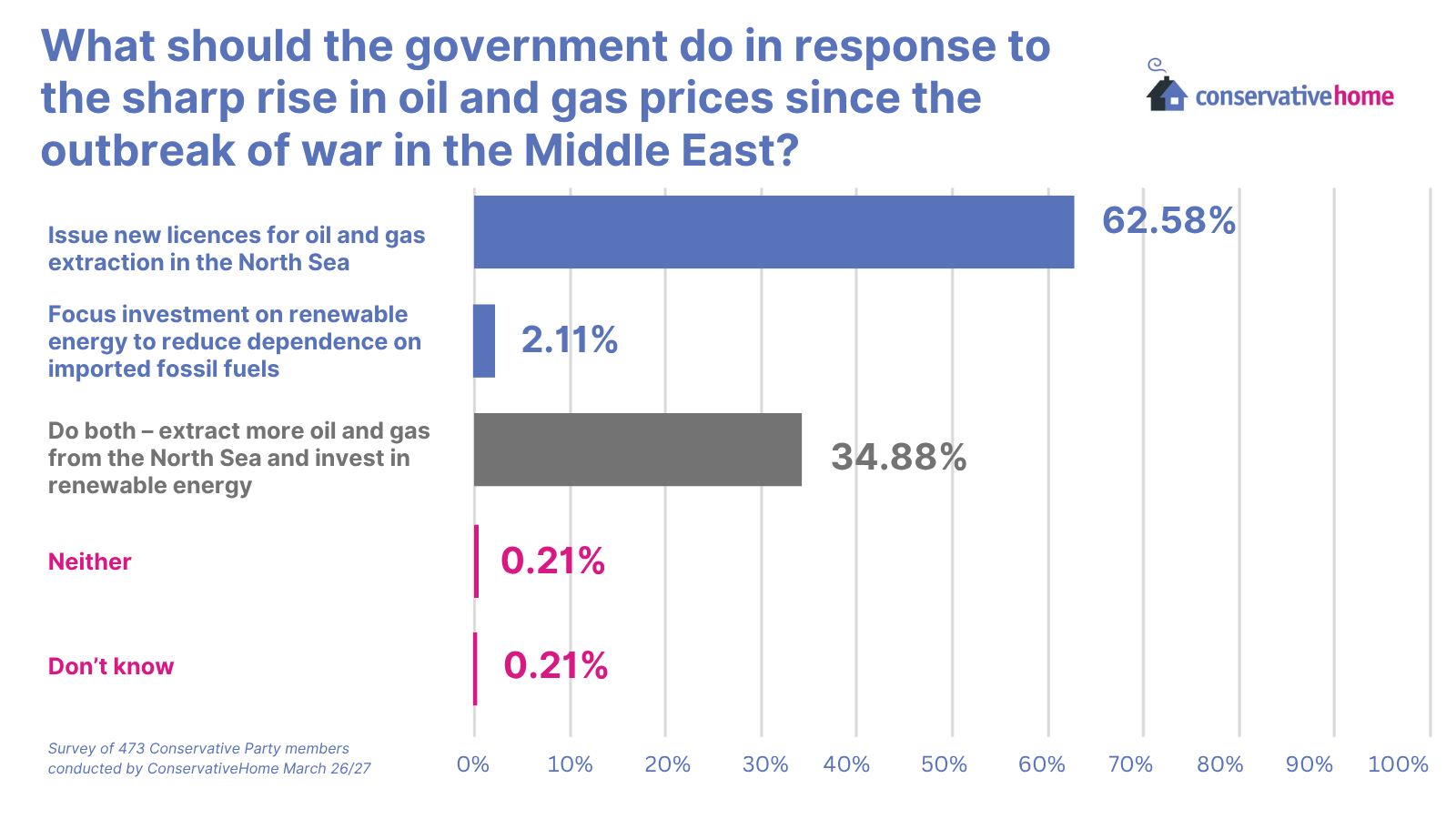
Perhaps unsurprisingly, according to our latest ConHome members survey, most people support issuing new licenses for oil and gas extraction in the North Sea at 62.58 per cent. Just 2.11 per cent thought to only focus investment on renewable energy to reduce fossil fuel dependency, with the second most popular choice being to pair the two – investment in renewables and North Sea exploration – coming in at 34.88 per cent.
These Tory members are not alone. Recent polling shows even amongst Green voters, more support drilling in the North Sea (38 per cent) than opposite it (33 per cent). When it comes to Labour too, the majority of their voters back drilling in the North Sea by more than two to one.
Overall when it comes to drilling for oil in the North Sea, Britons are supportive by 57 per cent to 15 per cent against, so Tory members in our survey are slightly above the average in this case. But it should be obvious to the government, as it is to the general public, that the North Sea still has resources to exploit that could help to strengthen Britain’s energy security. The thing is that Miliband, and hence Labour’s, net-zero ideology gets in the way.
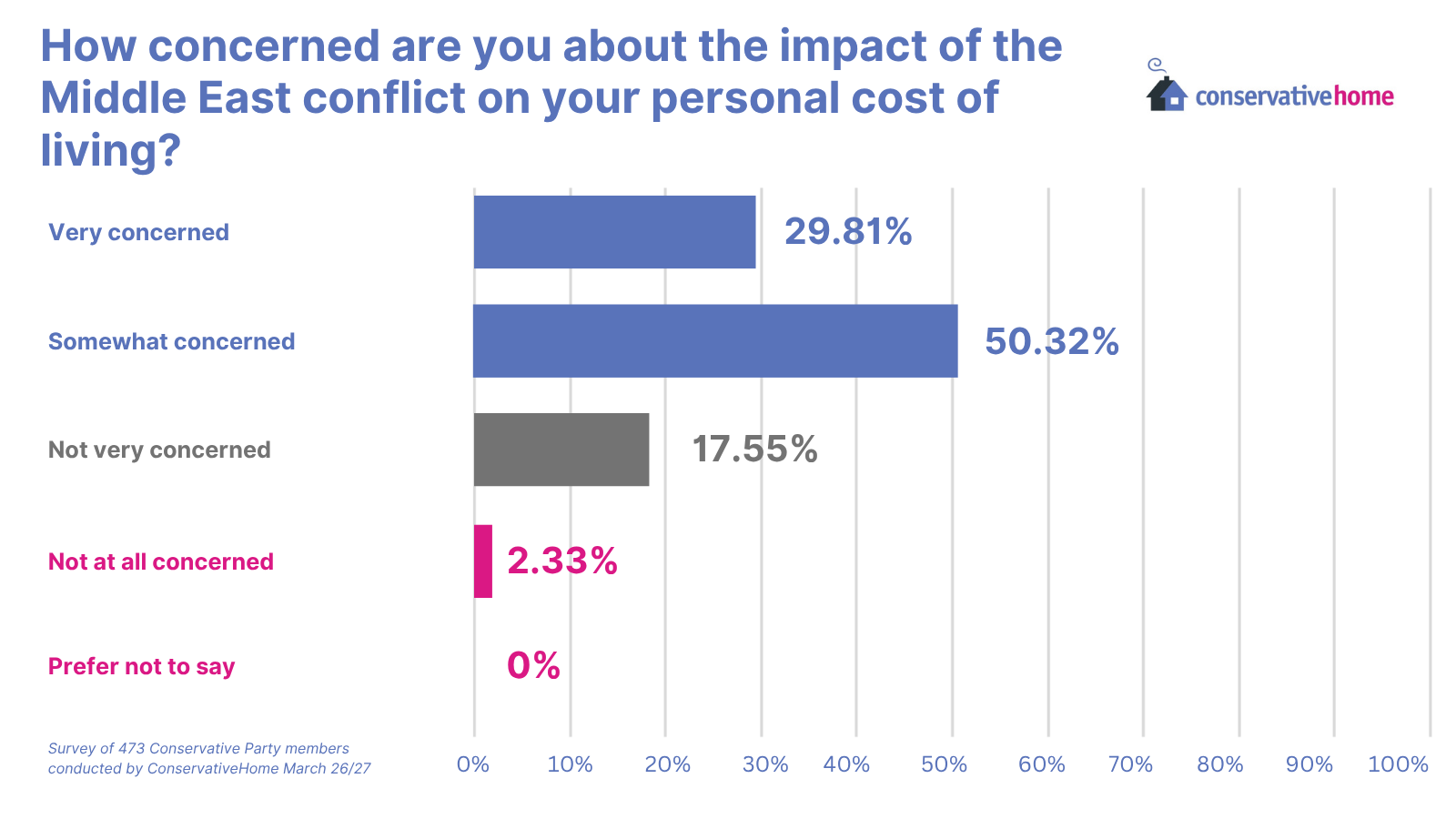
All of this has a real world effect. Half of our survey respondents said they are somewhat concerned about the impact of war in the Middle East on their personal cost of living, with almost 30 per cent saying they are very concerned.
The cost of living is a central issue for voters. If anyone wants to stands a shot at forming a future government then an actual plan will be needed to deal with it, and looking at energy costs will be key.






![CNN's Kaitlan Collins Fact-Checks Rep. Jasmine Crockett Over False Trump Ballroom Claim [WATCH]](https://www.right2024.com/wp-content/uploads/2025/10/1761954330_CNNs-Kaitlan-Collins-Fact-Checks-Rep-Jasmine-Crockett-Over-False-Trump-350x250.jpg)


![Two Dead, 14 Injured After Gunfire Erupts Following College Football Game in Alabama [WATCH]](https://www.right2024.com/wp-content/uploads/2025/10/Two-Dead-14-Injured-After-Gunfire-Erupts-Following-College-Football-350x250.jpg)