William Duckworth is a Chartered Accountant working in finance and a Conservative activist.
Over the past 40 years, the UK has lost around 23,000 pubs.
The pace of closure is accelerating, not slowing.
This should concern anyone who cares about community life, high streets, and social cohesion. Pubs are among the last remaining civic squares in the country; informal but vital places where people of different ages, incomes, and backgrounds still mix. Their decline has coincided with emptier town centres, rising loneliness, and a steady shift towards isolated, home-based drinking.
This is not simply a cultural loss. It is an economic and public-health problem as well.
Pubs today face enormous pressures. Energy costs have risen sharply. Staffing costs are higher. Business rates remain burdensome. At the same time, supermarkets are able to sell alcohol at prices pubs can never match, often using it as a loss leader to pull customers through the door. The result is a steady diversion of alcohol consumption away from regulated, social settings and into private homes.
That shift matters. Britain is facing a loneliness epidemic: around 7 per cent of adults describe themselves as “often or always lonely”. Loneliness is associated with poorer mental health, lower productivity, and greater demand on public services. Compounding this problem is the fact that around 70 per cent of alcohol is now consumed at home. Cheaper, stronger supermarket alcohol consumed in isolation encourages bingeing and excess, rather than moderation and social interaction.
The question, then, is not whether people drink. It is where they drink, and the incentives government policy creates.
A distorted tax system
At present, the tax system strongly favours drinking alone at home over drinking together in public.
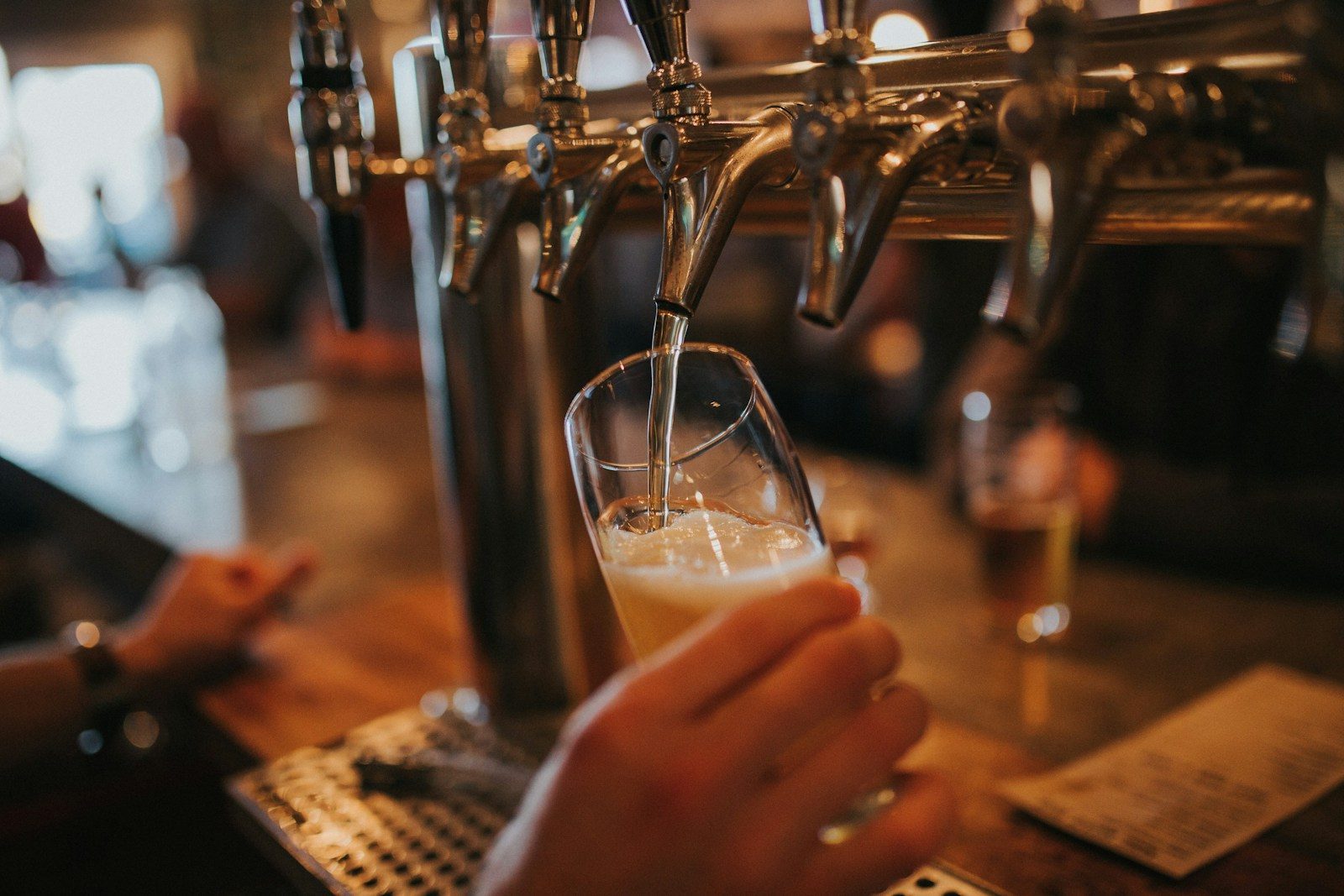
The average pint of beer in a pub costs around £5.50. That is a national average; in many parts of the country the price is lower, and in London it is often higher. By contrast, a 440ml can of beer in a supermarket can cost as little as £1.
This gap is not primarily the result of inefficiency or profiteering by pubs. It is the product of a tax and regulatory environment that treats alcohol sold in radically different contexts as if it were socially equivalent.
Alcohol sold in pubs is consumed under supervision, with social checks on behaviour, and in a setting that encourages slower drinking. Alcohol sold cheaply in supermarkets is often consumed at home, without oversight, and in ways more conducive to bingeing. Yet the tax system does little to reflect this distinction.
If we believe that public policy should nudge behaviour towards better outcomes, rather than pretending all choices are equally benign, then this imbalance makes little sense.
The solution is straightforward: rebalance alcohol taxation.
Rather than endlessly subsidising pubs through ad hoc reliefs, the government should address the underlying distortion. That means raising duty on supermarket and off-licence alcohol, while cutting VAT on alcohol sold in pubs.
The principle is simple and intuitive: it should be cheaper to drink together in public than to drink alone at home.
Here is what such a rebalancing could look like in practice:
Add £0.20 of duty per unit of alcohol sold in supermarkets and off-licences. A 440ml can contains roughly two units, adding around 40p per can.
Cut VAT on draught beer sold in pubs from 20 per cent to 10 per cent, reducing the price of a pint by roughly 40p.
The effect would be modest but meaningful. A pub pint would fall from £5.50 to around £5.10. A supermarket can would rise from £1.00 to around £1.40.
The gap narrows from £4.50 to £3.70. Pubs would not suddenly become cheap, but the distortion would be reduced, and consumer incentives would shift in the right direction.
Britain consumes roughly 7.1 billion units of alcohol each year. If just 10 per cent of supermarket alcohol consumption shifted back into pubs, that would mean around 400 million additional pints poured annually.
At £5.10 per pint, that equates to approximately £2 billion in additional revenue for pubs across the country.
That revenue would support thousands of jobs, help sustain small businesses, and revitalise struggling high streets. Importantly, much of the apparent fiscal cost would be recouped. Higher employment means more income tax and National Insurance receipts. Profitable pubs pay corporation tax. Increased duty on supermarket alcohol offsets the VAT reduction on draught beer.
In other words, this is not lost revenue disappearing into thin air. It is tax redirected into economic activity with higher social returns.
There is also a strong public-health case. Drinking in pubs tends to be slower, more social, and more moderated. Staff intervene when necessary. Peer pressure encourages restraint. By contrast, home drinking is often faster, stronger, and more isolating.
This proposal does not ban anything, mandate behaviour, or moralise. It simply aligns incentives with outcomes most people would recognise as healthier and more socially beneficial.
It also reflects Conservative instincts: supporting small businesses, strengthening communities, and using targeted tax policy rather than heavy-handed regulation. Rather than lecturing people about how they should live, it quietly reshapes the environment in which choices are made.
The decline of the Great British pub is not inevitable. It is, in part, the product of policy choices that can be revisited.
A modest rebalancing of alcohol taxation would deliver disproportionate benefits: stronger community life, healthier drinking patterns, more resilient high streets, and thriving local businesses. It would tackle loneliness not through slogans or programmes, but by restoring places where people naturally come together.
If we are serious about supporting pubs, addressing loneliness, and encouraging responsibility rather than isolation, then the conclusion is clear: we should make it cheaper to drink together than to drink alone.




![James Carville Admits Democrats Had No Shutdown Endgame, Mishandled Strategy [WATCH]](https://www.right2024.com/wp-content/uploads/2025/11/1763070634_James-Carville-Admits-Democrats-Had-No-Shutdown-Endgame-Mishandled-Strategy-350x250.jpg)