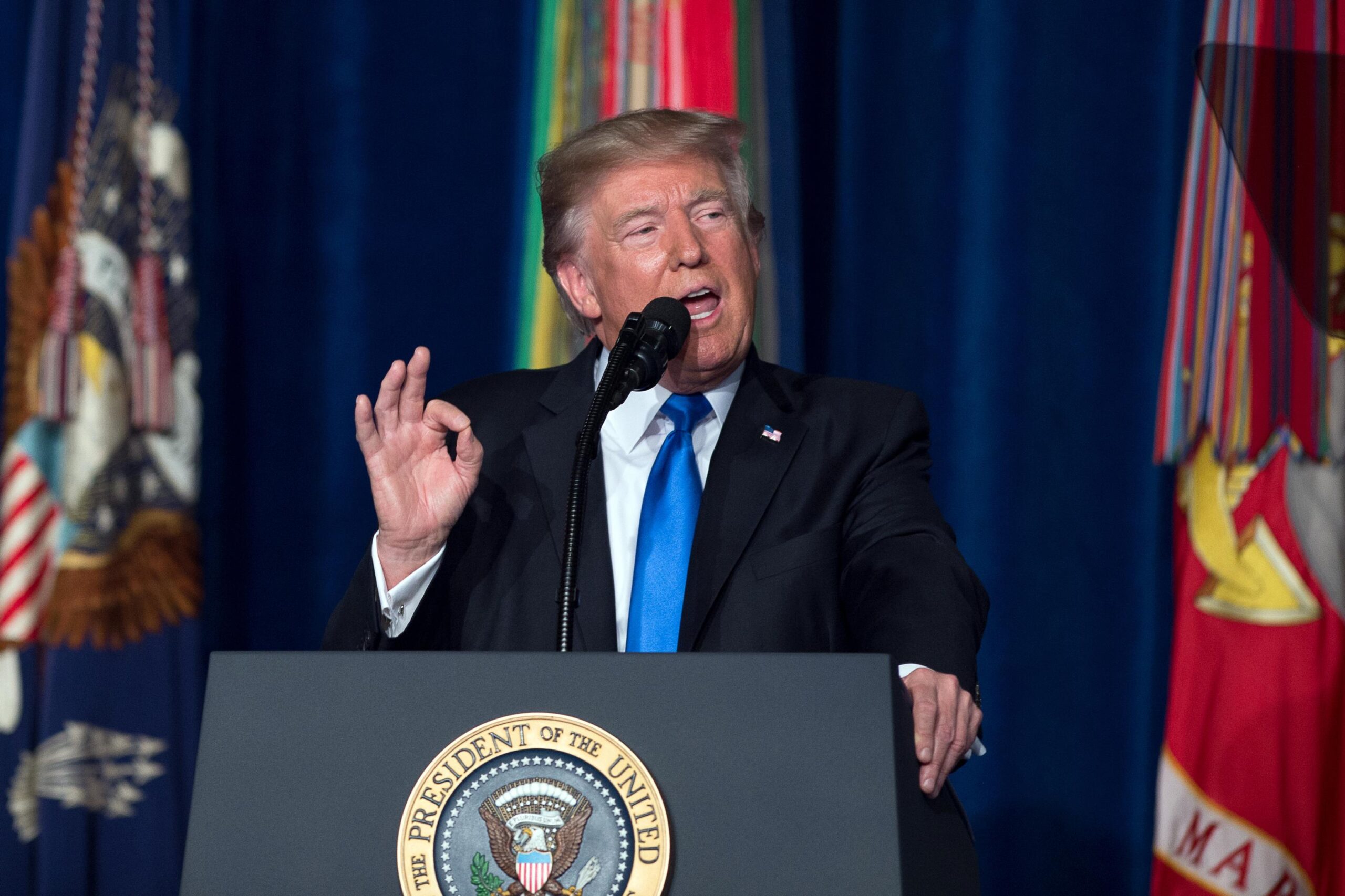
President Donald Trump is preparing to unveil a sweeping $1.5 trillion defense budget request for the next fiscal year, a move that dwarfs past increases and signals a bold reassertion of American military might at a moment when allies seek unwavering reassurance and rivals test the boundaries of regional power.
The centerpiece of the plan is the Golden Dome missile shield, a program designed to deliver layered defense against modern threats while offering a tangible symbol of American resolve, and it is paired with aggressive upgrades to air and space capabilities that connect missile defense to broader strategic domains.
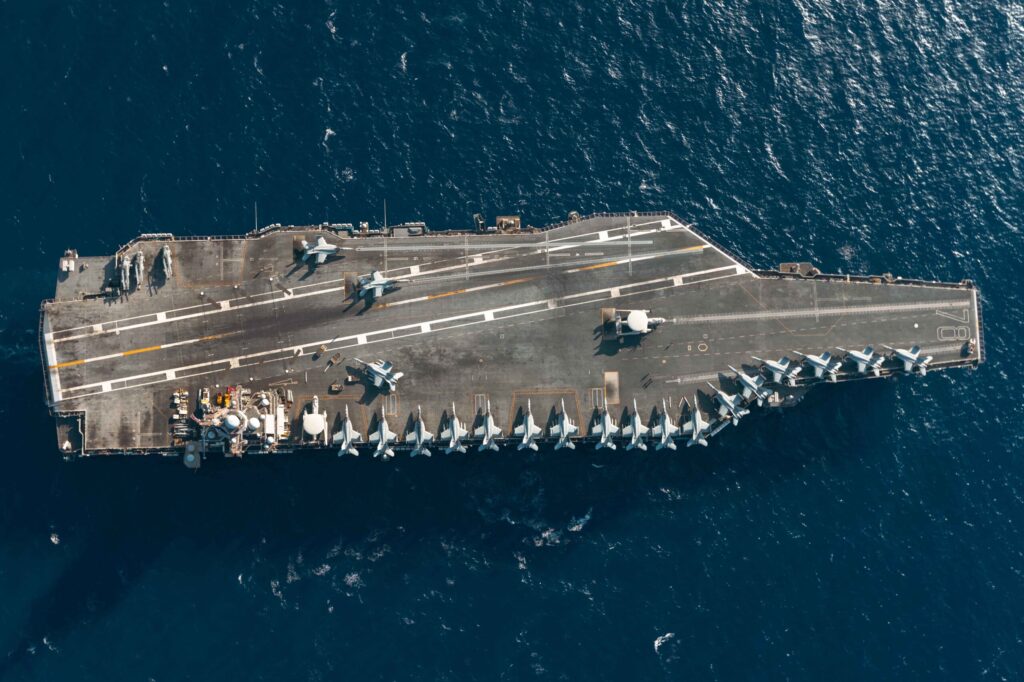
The package also prioritizes Lockheed Martin F-35 jets and a robust fleet of warships to bolster deterrence around the globe, ensuring forward presence in critical theaters while creating a more responsive industrial base at home.
Here’s What They’re Not Telling You About Your Retirement
Supporters argue the expansion is necessary to deter rivals in the Indo Pacific while rebuilding stockpiles depleted by multiple campaigns in the Middle East and Europe, a combination of factors they say requires rapid procurement, streamlined contracting, and a steady supply of advanced munitions to avoid dangerous pauses in readiness.
Virginia class submarines built by General Dynamics and Huntington Ingalls Industries are among the top shipbuilding priorities, signaling a renewed emphasis on undersea combat power that observers say could reshape deterrence by sea while enabling stealthy, persistent operations in contested waters.

War Secretary Pete Hegseth has underscored the need to accelerate production and sustain industrial capacity here at home, arguing that domestic manufacturing lines must stay hot and that delay is a strategic vulnerability in a world where adversaries move quickly.
This Could Be the Most Important Video Gun Owners Watch All Year
Last year the White House requested 892.6 billion in base defense spending and later added about 150 billion through a supplemental request, pushing total defense outlays above a trillion for the first time in history, a milestone cited by supporters as proof that Washington is finally aligning resources with a more assertive national security posture.

While the outline for the fiscal year ending September 30, 2027 is slated for release on Friday, a Pentagon official said further details would follow on April 21, promising a gradual drip of information as lawmakers prepare to scrutinize every line item.
There has been talk of wrapping the package as a comprehensive national security budget with flexible lines of funding, a concept echoing the approach used in 2026 and intended to give the administration room to adapt to fast shifting threats while maintaining a strong deterrent.

Administration officials say the extra dollars will boost weapons production, strengthen readiness, and replenish stocks strained by recent conflicts in Israel, Iran, and Ukraine, with senior aides noting that ramped up production will shorten timelines from order to deployment and safeguard critical supply chains.
Proponents point to jobs created, supply chain resilience, and a clearer path to countering adversaries as central benefits, arguing that a robust industrial base will not only support national defense but also drive innovation and regional stability.

They emphasize that under War Secretary Pete Hegseth the plan aligns with a straightforward strategy: build more and move faster, leveraging existing American manufacturing strengths to outpace rivals and ensure readiness keeps pace with new generations of weapons.
The coming congressional debate will test the administration’s resolve and the nation’s willingness to invest in deterrence at a time of rising challenges, with skeptics warning about fiscal restraint while supporters underscore that deterrence today saves money and lives tomorrow.
The opinions expressed by contributors and/or content partners are their own and do not necessarily reflect the views of LifeZette. Contact us for guidelines on submitting your own commentary.








![Two Dead, 14 Injured After Gunfire Erupts Following College Football Game in Alabama [WATCH]](https://www.right2024.com/wp-content/uploads/2025/10/Two-Dead-14-Injured-After-Gunfire-Erupts-Following-College-Football-350x250.jpg)