
By Tyler Arnold
Washington, D.C. Newsroom, Dec 3, 2025 /
17:51 pm
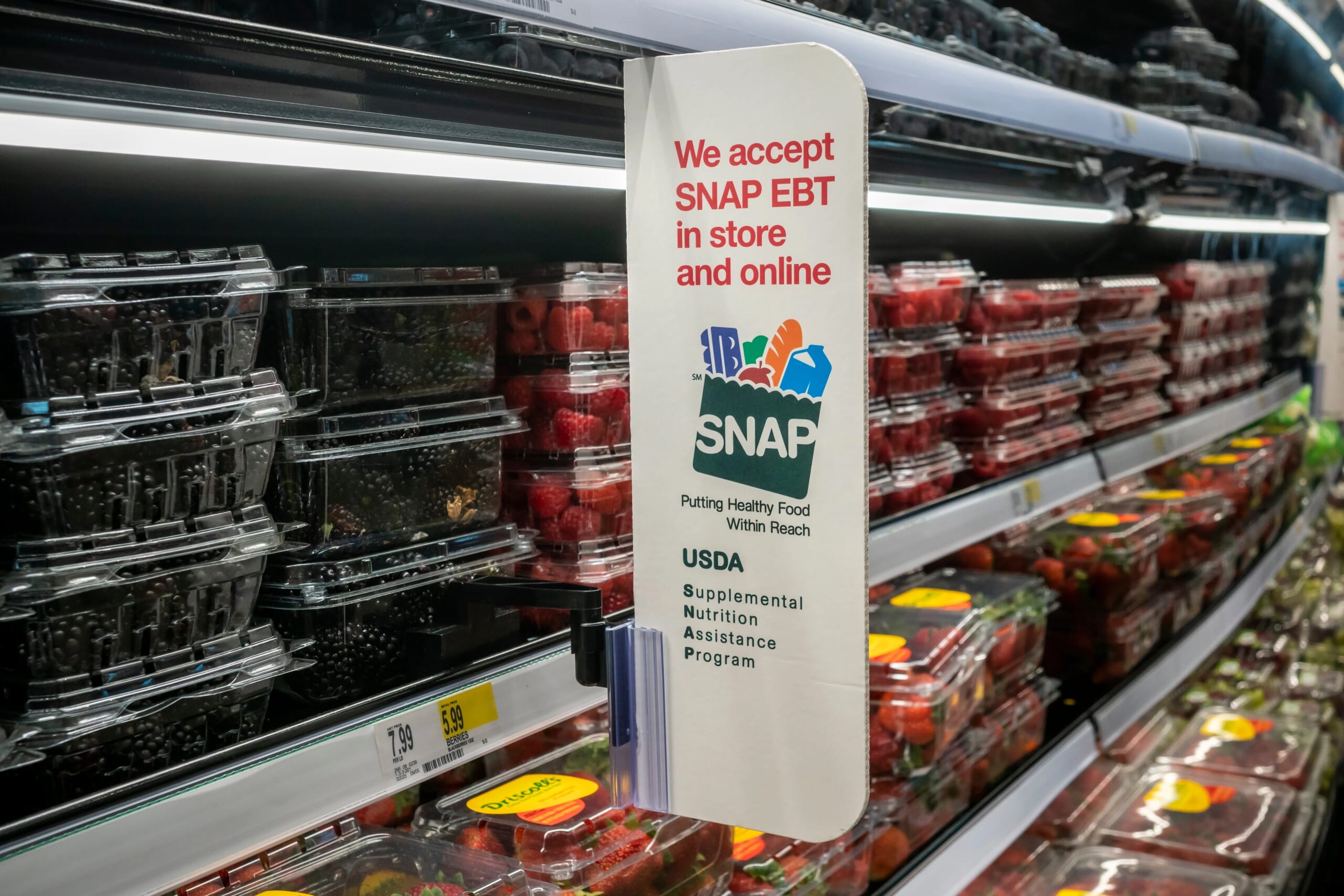
President Donald Trump’s administration intends to cut off federal food assistance for 21 states amid a dispute over reporting data about recipients, which has caused concern for some local Catholic Charities affiliates whose areas may be affected.
In May, Secretary of Agriculture Brooke Rollins ordered states to share certain records with the federal government about people who receive food stamps through the Supplemental Nutrition Assistance Program (SNAP). She said this was to ensure benefits only went to eligible people.
Although 29 states complied, 21 Democratic-led states refused to provide the information and sued the administration. The lawsuit alleges that providing the information — which includes immigration status, income, and identifying information — would be a privacy violation.
Rollins said in a Cabinet meeting on Dec. 2 that “as of next week, we have begun and will begin to stop moving federal funds into those states until they comply and they … allow us to partner with them to root out this fraud and protect the American taxpayer.”
She said an initial overview of the data from states that complied showed SNAP benefits given to 186,000 people using Social Security numbers for someone who is not alive and about a half of a million people receiving SNAP benefits more than once. The Department of Agriculture has not released that data.
If funding is halted, this would be the second disruption for SNAP benefits in just two months. In November, SNAP payments were delayed for nearly two weeks until lawmakers negotiated an end to the government shutdown.
For many of the states that will be impacted, Catholic Charities is the largest provider of food assistance after SNAP, and some affiliate leaders fear that the disruption will cause problems.
Rose Bak, chief operating officer of Catholic Charities of Oregon, told CNA the nonprofit keeps stockpiles for emergencies, but “we’ve gone through most of our supplies” amid the November disruption and an increase in people’s needs caused by the high cost of groceries.
She said their food pantry partners have told her “they’ve never been this low on stock” as well.
“Our phones were ringing off the hook,” Bak said. “Our mailboxes were flooded with emails.”
When asked how another disruption would compare to the problems in November, she said: “I think it will definitely be worse.”
“People are scared,” Bak said. “They’re worried about how they’re going to feed their families.”
Ashley Valis, chief operating officer of Catholic Charities of Baltimore, similarly told CNA that another disruption “would place immense strain on families already struggling as well as on organizations like ours, which are experiencing growing demand for food and emergency assistance.”
“Food insecurity forces children, parents, and older adults to make impossible trade-offs between rent, groceries, and medication,” she said.
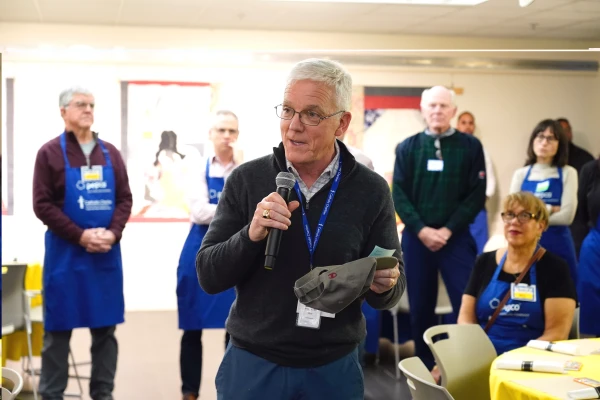
James Malloy, CEO and president of Catholic Charities DC, told CNA: “We work to be responsive to the needs of the community as they fluctuate,” and added: “SNAP cuts will certainly increase that need.”
(Story continues below)
Subscribe to our daily newsletter
“These benefits are critical for veterans, children, and many low-income workers who have multiple jobs to cover basic expenses,” he said.
Catholic Charities USA launched a national fundraising effort in late October, just before SNAP benefits were delayed the first time. Catholic Charities USA did not immediately respond to a request for comment.

Tyler Arnold is a staff reporter for Catholic News Agency, based in EWTN News’ Washington Bureau. He previously worked at The Center Square and has been published in a variety of outlets, including The Associated Press, National Review, The American Conservative, and The Federalist.