Chico Khan-Gandapur is a managing partner at Metrica Consulting.
You can read Chico’s first two articles on behavioural political science here and here.
This third and final essay on the importance of Behavioural Political Science ahead of the May 7 elections, examines in greater detail the difference between rational Policy-Based support, and emotional Affective Partisanship.
Many political analysts still talk about politics as if it is just one giant spreadsheet. A place where citizens calmly compare manifestos, weigh costs and benefits, and then choose the best overall option. In this rational, technocratic approach, the job of politics is simply to refine the policies, sharpen the evidence base and communicate the numbers more clearly.
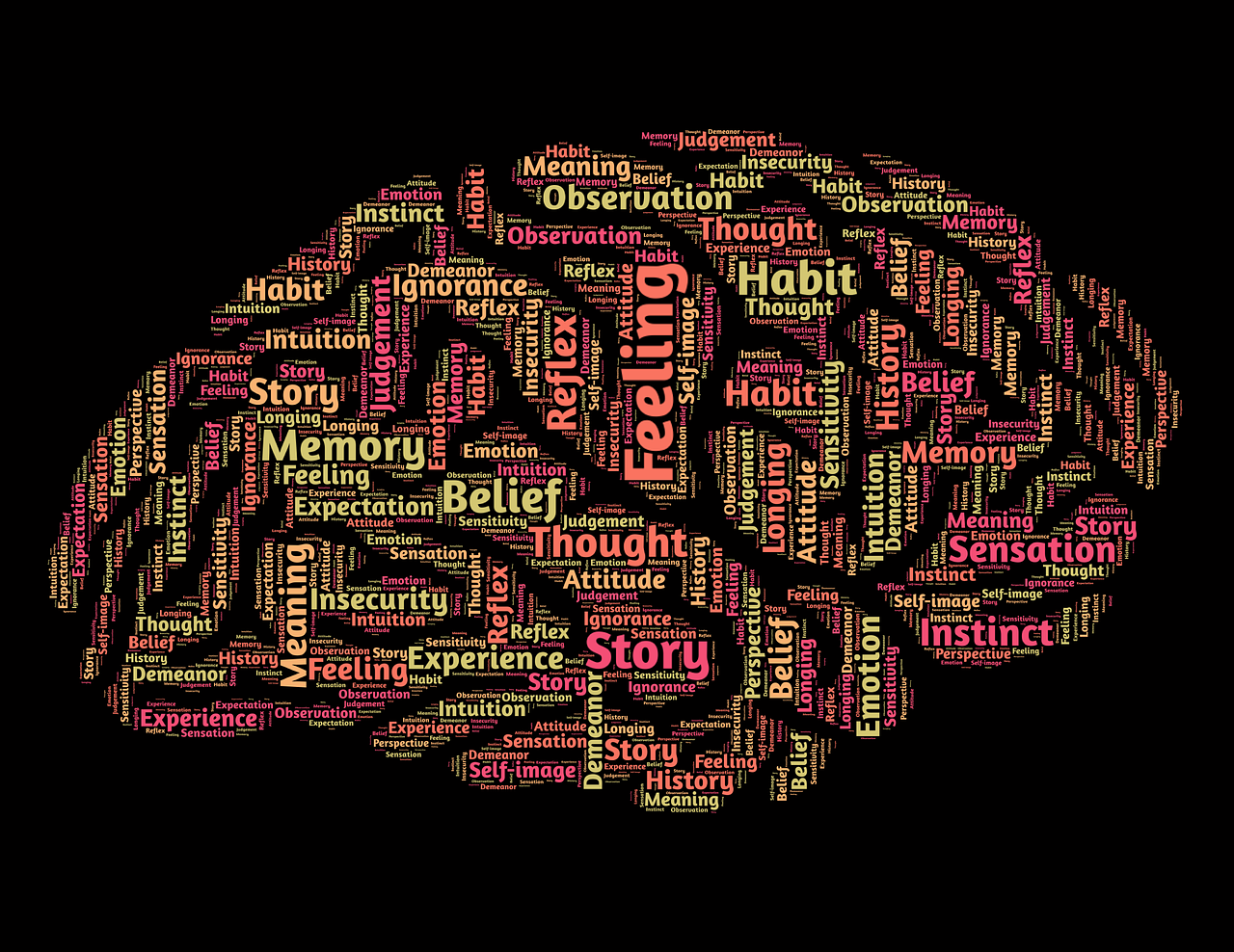
If voters don’t respond, the diagnosis becomes simple: they simply misunderstood, were misled by others, or are just irrational. What this approach misses is that most voters don’t experience their politics this way. They experience it as a core part of who they are, who is on their side, and how they feel about the future. Emotion is not the thin layer on top of rational choices, rather it is the gateway through which almost all voter political reflection passes. They do not wake up on polling day as blank automatons, logging into party websites, reading the manifestos side‑by‑side and then making choices like careful shoppers. They come to politics with a fluid and febrile cocktail of pride, loyalties, memories and resentments.
For many voters, a political party is much closer to their own football team than a vendor of policy choices, and so it becomes our side. This longer‑term emotional attachment, Affective Partisanship, shapes how they perceive nearly everything else: which news stories feel credible, or which scandals feel outrageous, and what failures they forgive. When political analysts insist it is, just a case of better policies, they quietly (and totally) fail by ignoring this more important emotional dimension.
They repeat this shortcoming by confusing how people justify their choices with how they were actually made, an error frequently compounded by polling companies. After an election or a referendum, voters will often explain their decision in terms of heuristics (short explanations) addressing policies: I voted this way because of the NHS, or tax, or immigration, or climate. And while these reasons matter, psychological research suggests something else more subtle is actually going on. Voters might lean one way first, out of trust, identity or emotional resonance, but assemble reasons afterwards that make that initial leaning look rational and coherent. Policy talk can therefore often appear to be an ex-post rational choice that was initially, at its core, an emotionally affective one.
A great deal of policy‑first thinking rests on the concept of competence. It assumes voters sit in judgement over specific proposals, weighing their technical merits. But in reality, competence is often a generic emotional judgement about a party’s character: are these people serious, honest, on our side ? And this judgement is built over years of stories, crises and symbols, as much as through any detailed policy analysis. Scandals, or tone‑deaf remarks, or a leader’s way of handling tragedy, can permanently reshape this emotional sense of competence, such that even exquisitely designed policies barely register.
Core emotions such as anger, fear, pride and hope are central to turning points in politics. Protest waves, populist surges and sudden realignments rarely happen because a policy prescription becomes marginally more efficient. They manifest when large numbers of people feel disrespected, anxious about decline, or inspired by a promise of renewal. Policies can help, but only if they speak directly to these feelings. They fail when they sound like technical fixes to problems people experience as injurious to their status, identity or fairness.
Boris Johnson’s 2019 comprehensive election victory across the Red Wall was underpinned by this emotional partisanship. And ironically for him, his demise was a reversal of the same: Partygate and Covid rule-breaking; ethics, lobbying and standards rows; personnel and misconduct scandals undermined this emotional attachment.
Arguments that we have good policies; voters just won’t listen are flawed. If the politics is framed as a contest of technocratic competence, many voters will just tune out, or feel talked down to. If they are already emotionally cold or hostile towards a party, they will barely process its arguments. Remember the competent and technocratic Rishi Sunak ? Despite his tax cuts and the prescient warnings about Labour reversals of the same, no-one cared.
Information is generally not absorbed in a vacuum by individuals, but is filtered through a group’s identity. People usually look at politics with their peer group, whether family, colleagues, or online communities. They pay attention to cues about which party other people like us support, which leaders speak our language, which side seems to respect or despise us. Once these group alignments harden, new facts are simply slotted into place in ways that confirm what the group already feels. This affective approach underpins the initial popularity of Reform, and now the Greens. And ironically, just as the Reform Party tries to evolve into a sensible party of pragmatic policies its popularity has waned. It is moving away from affective politics towards rational, technocratic policies.
Even when political analysts look at the more fluid part of the electorate, swing voters, they frequently misunderstand what is really happening. Swing voters are not hyper‑rational moderates carefully re‑evaluating each offer. Many are affectively conflicted: disappointed in their old party, uneasy about the alternative. To them, the atmosphere around a party, its tone, its leader’s demeanour, whether it seems to understand their life, can tip the balance more than any marginal tweak in a policy platform.
A technocratic mindset has practical consequences. It tends to produce flat, bloodless messaging about efficiency, stability and evidence‑based solutions. While such language reassures some professionals it leaves a greater number of other voters cold. It answers the analytical question what works on paper while avoiding the key, who is on my side challenge ?
By contrast, an emotionally literate approach to politics sees affective approaches not as the enemy of reason, but as its gatekeeper. People rarely want to scrutinise arguments from sources they initially distrust or dislike. If a party wants to be heard on policy, it first has to earn a hearing at the emotional level, showing respect, signalling solidarity, and demonstrating it understands the anxieties and aspirations of those it is trying to speak to. Once that bridge is built, arguments about tax design, benefits, or economic reform have a place to land.
The relative importance of affective choices versus rational ones is not easily expressed as a simple percentage, because the two are intertwined. But research and real‑world experience both point in the same direction. Feelings about parties, leaders and identities usually do much more of the work than issue‑by‑issue calculations, especially in times of uncertainty. In some voter research, for instance, the qualities of trust, respect and like can matter more than a party’s policies by a factor of 3X.
Of course, rational policy design still matters enormously, because bad policy can wreck lives, economies and ecosystems, but it has to work through emotional and identity‑based channels first, rather than pretending to hover above them.
Current politics is not a competition to impress with clever answers. It is a struggle to build and sustain emotional attachments, to shape identities and tell stories which match individually to voter feelings. It is ironic that while policy is vital to the health of a country, it is not by itself what wins votes. Conservatives must act on this challenge with greater application.
Kemi is proud of being a problem-solving engineer, but voter mindsets want something far warmer to accompany her undisputed logic. It is this challenge that Conservatives will be judged on at the May 7 elections.





![Kamala Comes Unglued, Makes Bogus Claim About Her Landslide Loss to Trump [WATCH]](https://www.right2024.com/wp-content/uploads/2025/10/Kamala-Comes-Unglued-Makes-Bogus-Claim-About-Her-Landslide-Loss-350x250.jpg)