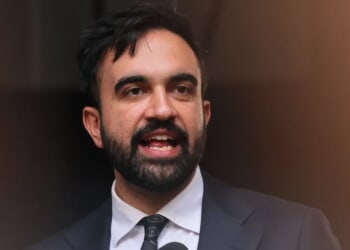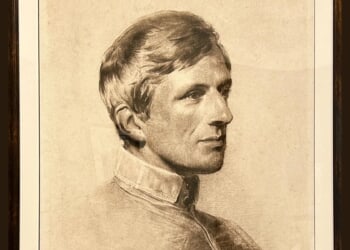
A tense exchange unfolded Thursday night on CNN’s The Source when political commentator Scott Jennings and Democratic strategist Ameshia Cross argued over voting rights, party history, and allegations of voter suppression, prompting a sharp back-and-forth centered on historical claims and present-day political tactics.
The discussion began as Jennings criticized Democratic political strategies, including redistricting efforts and government shutdowns, while warning Republicans about what he described as aggressive tactics from the Democratic Party.
“Make no mistake. Gerrymandering is a Democratic skill set. Republicans are still pikers when it comes to this,” Jennings said.
“But I got to tell you, what you heard tonight is what they’re going to do. They’re ruthless. Democrats have shut down the government. They’ve told the military to stop following orders. They’re trying to redraw maps. This is the future with Democrats, a ruthless kind of politics, and Republicans better wake up to it.”
Cross responded by addressing voting rights and race, arguing that Republican policies have negatively affected minority voters, particularly in southern states.
“I was born black. I’ll be black all my life. I don’t want to hear anybody say that the Republican Party has not gone out of its way to keep people who look like me away from the ballot box, because it’s painfully untrue. It is something that’s been charged in the courts time after time, decade after decade,” Cross said.
Jennings pressed Cross to provide specific examples to support her claim.
This Could Be the Most Important Video Gun Owners Watch All Year
“Where? How? Where and how?” Jennings asked.
Cross did not cite specific cases during the exchange and shifted the discussion to broader political topics, including references to President Donald Trump and Venezuela.
Jennings then redirected the conversation back to voting access and historical context, laying out what he described as three key points.
“Number one, has anyone ever personally tried to stop you from voting? Answer, no. Number two, there are no illegal orders,” Jennings said. He then addressed party history directly.
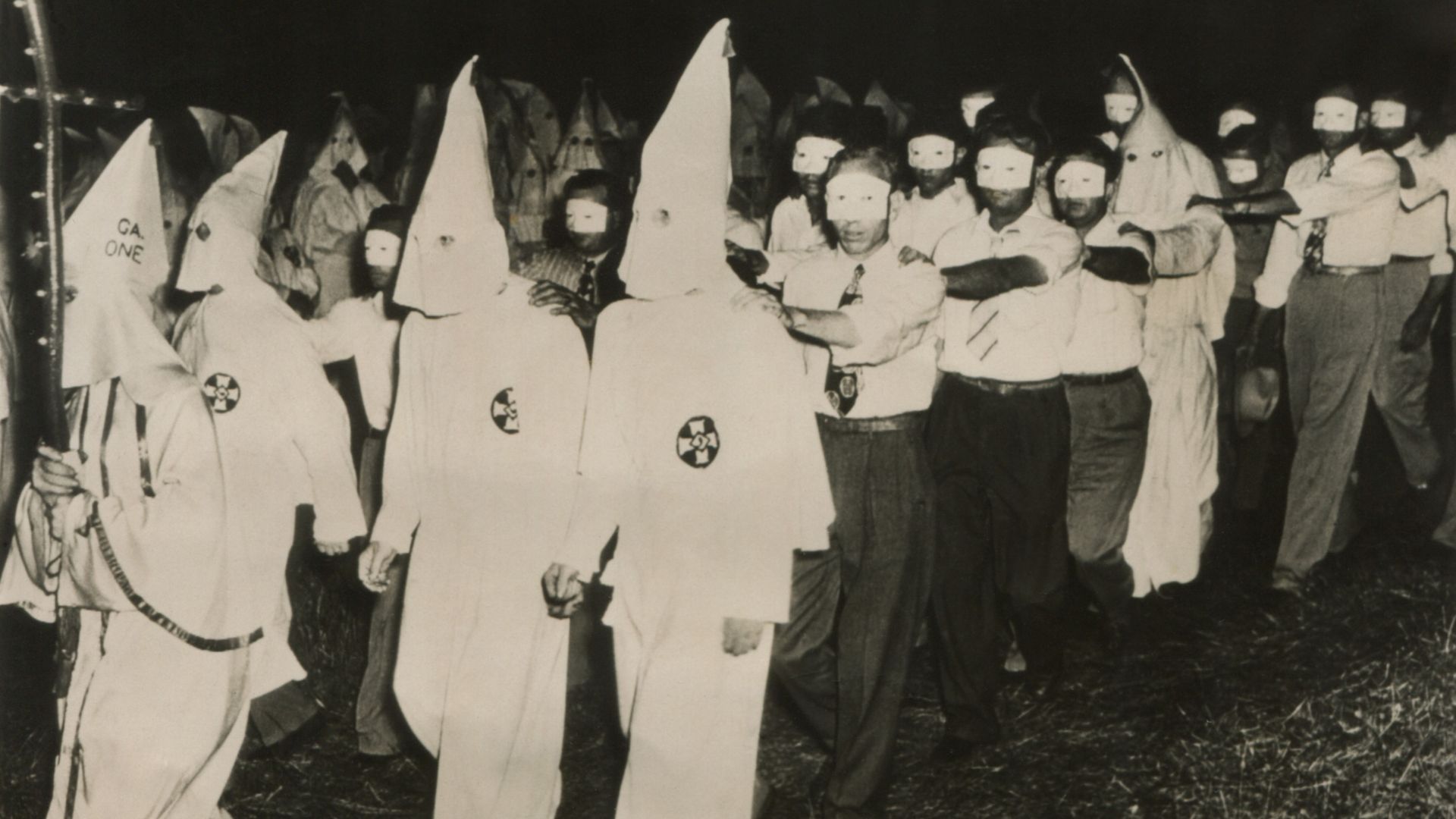
“Number three, in this country, I hate to — I hate to remind you of our history, but it was the Democratic Party that tried and tried and tried to suppress black votes in this country, not the Republican Party,” Jennings said.
Cross countered by disputing Jennings’ account of civil rights history, asserting that Democrats were responsible for dismantling Jim Crow-era laws.
“When the Jim Crow laws were eroded, they were eroded by the Democratic Party, not by Republicans who tried to hoist them up and try to continually reenter Jim Crow in the modern era,” Cross said.
The exchange then turned to historical legislation.
Jim Crow laws were dismantled at the federal level through the Civil Rights Act of 1964 and the Voting Rights Act of 1965.
The Civil Rights Act outlawed racial discrimination in public accommodations, employment, and federally funded programs, while the Voting Rights Act targeted racial discrimination in voting practices, particularly in the southern United States.
At the time those laws were passed, voting records show that a higher percentage of Republicans in both the U.S. House of Representatives and the U.S. Senate supported the legislation compared to Democrats.
Opposition to the measures largely came from southern Democrats, many of whom sought to preserve segregationist policies.
Republicans and non-southern Democrats formed the coalition that ultimately secured passage of both landmark laws.
Jennings referenced that historical record during the exchange.
“I think you need to reread your civil rights history. The Democratic Party doesn’t have a clean record on this,” he said.
🚨 WOW! Mic drop moment from Scott Jennings after liberal claims on CNN Republicans try to STOP black people from voting 🫳🎤pic.twitter.com/zQvAWvgMFp
“Number one, has anyone ever personally tried to stop you from voting? Answer…no.”
“In this country, I hate to remind you of our…
— Eric Daugherty (@EricLDaugh) December 12, 2025
The debate highlighted ongoing disputes over how each party’s past is characterized in modern political discussions, particularly when issues of voting access and civil rights are raised.
While Democrats frequently argue that current Republican-led election reforms amount to voter suppression, Republicans often point to historical voting records and legislative outcomes to challenge those claims.


![Donald Trump Slams Chicago Leaders After Train Attack Leaves Woman Critically Burned [WATCH]](https://www.right2024.com/wp-content/uploads/2025/11/Trump-Torches-Powell-at-Investment-Forum-Presses-Scott-Bessent-to-350x250.jpg)
![CNN's Kaitlan Collins Fact-Checks Rep. Jasmine Crockett Over False Trump Ballroom Claim [WATCH]](https://www.right2024.com/wp-content/uploads/2025/10/1761954330_CNNs-Kaitlan-Collins-Fact-Checks-Rep-Jasmine-Crockett-Over-False-Trump-350x250.jpg)