Elliott Keck is the Campaigns Director for the Taxpayers’ Alliance.
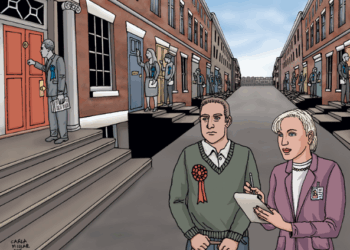
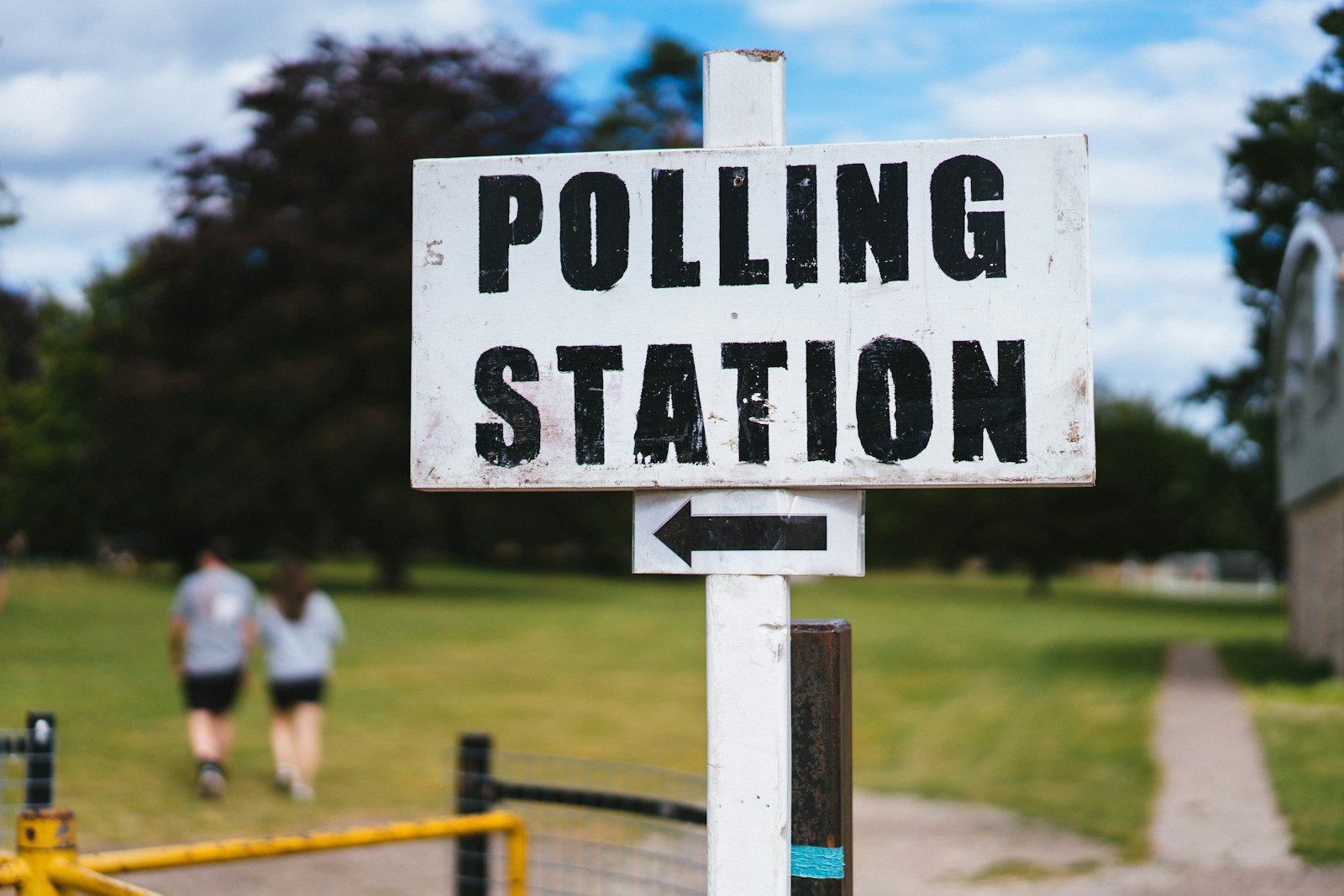
Local elections are an unusually fraught topic at the moment. There are dozens of councils considering submitting a request to postpone their contests scheduled for May – the result of the reorganisation of local authorities that is currently underway in much of England. For the same reason, many elections in 2025 were also postponed meaning in some areas there could be two years worth of delays.
This is unacceptable. It reeks of desperation from a Labour government desperate to delay the inevitable hammering at the ballot box that its disastrous administration deserves. The Conservative leadership are right to demand the go-ahead of these contests, and should be placing pressure on Conservative-run councils considering requests to postpone. As difficult as some of those results may well be for a party still dealing with the fallout from 2024, it is still far better to be coming face to face with voters than to run scared.
The claim made by local councils is that due to their imminent restructuring and reorganisation, it would be a waste of money and resources to engage in what can be expensive elections. But there is no price tag on democracy.
Now that’s not to say that there is no discussion to be had about the precise process of how local elections are managed and organised. So given this is now an open topic of conversation, now is surely the time to highlight the unusual electoral practices used by many local authorities: namely their habit of electing in parts. A total of 98 councils run their elections like this – 91 in thirds and seven in halves – and it’s not cheap.
Indeed, new research from us at the TaxPayers’ Alliance has revealed that if the councils that held elections in this way held them as the other 283 do – namely holding elections for every seat in every ward every four years – they would have saved a total of about £25 million between 2021-24. That’s the council tax contributions of well over 10,000 band D households.
Of the ten councils that spend the most on their local elections, all but one elects by thirds, with only Croydon, the tenth most expensive, electing in wholes. Leeds council spent over £3.1 million on its three elections between 2021-24, followed by Coventry which spent over £2 million in this period, albeit for far fewer councillors than in Leeds.
Another way of looking at it is the average cost per councillor elected. Here the picture becomes even clearer. In unitary authorities, it costs £6,500 per councillor elected when elected in wholes, compared to £13,000 when elected in thirds. For district councils it’s £4,800 when elected in wholes, £9,700 in halves and £11,000 in halves. In metropolitan districts its £5,000 when elected in wholes and a whopping £20,000 when elected in thirds. All ten councils with the highest cost per councillor elected do so in thirds.
The data then is completely and utterly unambiguous. The process of breaking up elections over a four year period adds significant costs to local councils and the democratic process.
As noted earlier, though, democracy is a sufficiently sacred and important institution that costs should not come into it. It’s vital then to establish whether there is a strong argument that electing in parts is more democratic.
Proponents of electing in parts will argue that it gives voters more frequent opportunities to influence local decision making, given an election will take place in two or three out of every four years, compared to just once. They will also argue that electing in parts insulates local democracy from sudden, dramatic national swings.
Opponents of this system, aside from the cost implications, point out that electing in wholes is better for longer-term thinking. Councils who elect in wholes know they have four years to implement their agenda, during which time they have space to make difficult, potentially unpopular decisions which nevertheless will yield longer term benefits that they can defend at the ballot box. They will also point out to reduced voter fatigue and a more even playing field.
Both options have strengths and weaknesses. The most that can be said is probably that the debate comes out as a score draw. Given that fact, only cost remains. Given the enormous funding pressures bearing down on town halls, that is no small consideration. We shouldn’t be denying democracy, but we maybe we should be standardising it.

![Donald Trump Slams Chicago Leaders After Train Attack Leaves Woman Critically Burned [WATCH]](https://www.right2024.com/wp-content/uploads/2025/11/Trump-Torches-Powell-at-Investment-Forum-Presses-Scott-Bessent-to-350x250.jpg)