Federal investigators believed there was substantial evidence warranting a criminal investigation into the Clinton Foundation and the State Department’s approval of the sale of Uranium One to Russian state-owned interests, but internal delays and disputes within the Justice Department and FBI ultimately caused the inquiry to collapse, according to newly disclosed records.
The Uranium One transaction, which involved the sale of a Canadian-based uranium company to Russia’s state-controlled nuclear firm Rosatom, drew intense scrutiny for years.
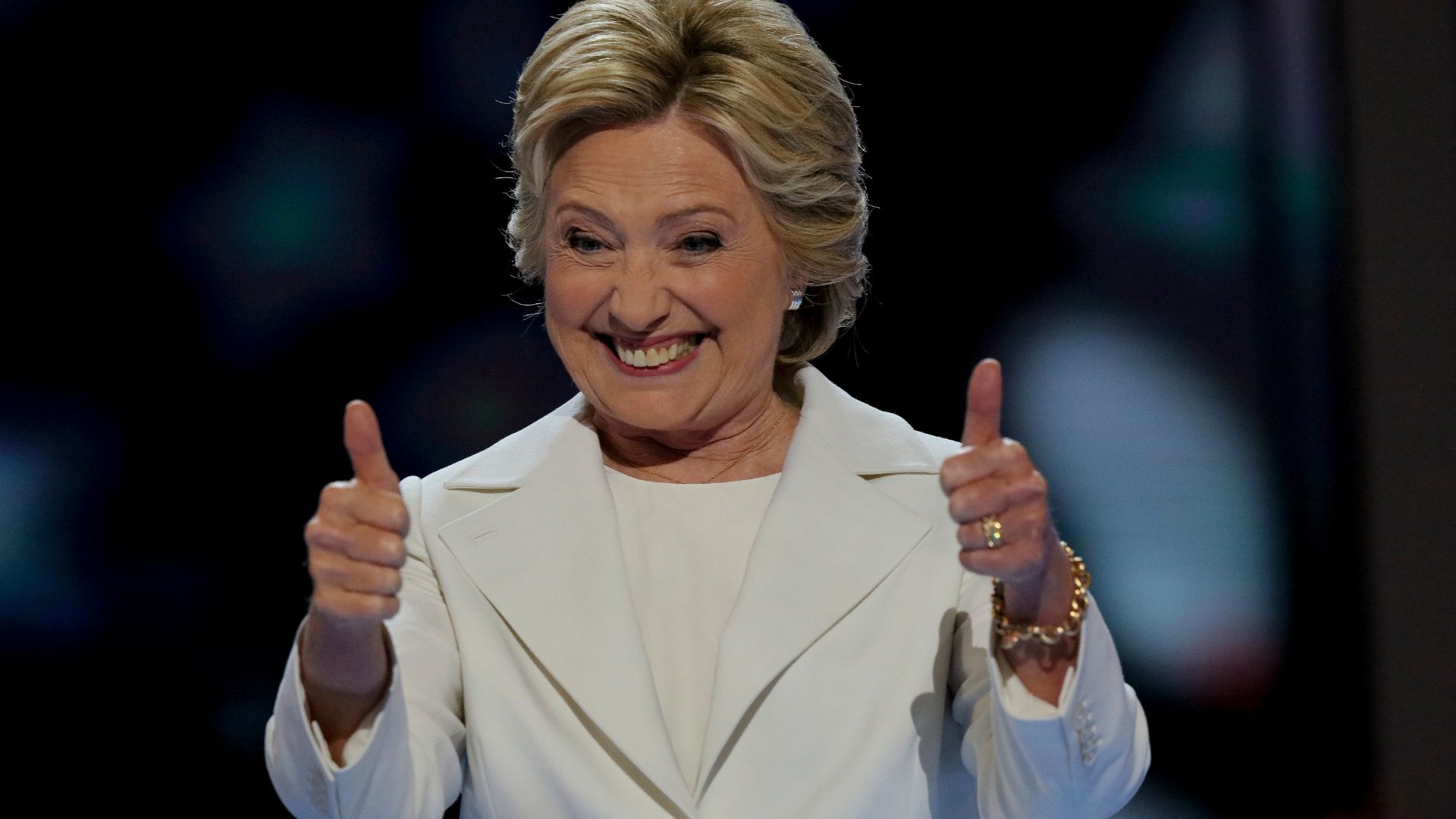
Critics argued that then–Secretary of State Hillary Clinton played a role in approving the deal through her position on the Committee on Foreign Investment in the United States (CFIUS) and that donors connected to Uranium One had made significant contributions to the Clinton Foundation.
Internal FBI and DOJ communications indicate that career agents and prosecutors believed the matter may have involved criminal conduct, but investigative momentum was slowed by senior leadership.
Records show that officials including then–Deputy Attorney General Sally Yates and then–FBI Deputy Director Andrew McCabe delayed key steps, eventually leading to arguments that the statute of limitations had expired.
FBI agents and DOJ prosecutors based in Little Rock, Arkansas, and other offices continued to scrutinize the case but were blocked from advancing the investigation.
A 2018 email from Jonathan Ross, then the First Assistant U.S. Attorney for the Eastern District of Virginia, argued that “there is no legal barrier in continuing the present investigation” into Uranium One and the Clinton Foundation.
This Could Be the Most Important Video Gun Owners Watch All Year
Ross has served as U.S. Attorney in Arkansas since 2022.
Former Arkansas U.S. Attorney Cody Hiland echoed that assessment in a 2018 email to then–U.S. Attorney John Huber of Utah, writing that “we do not believe the prosecution is time-barred by a statute of limitations,” noting that payments to the Clinton Foundation from subjects tied to the investigation “were made continuously from 2007 through 2014.”
A newly declassified FBI investigative timeline disputes claims that the statute of limitations had expired, stating that such arguments “failed to include whether Acts of Concealment such as deleting emails in 2015 and making additional statements and representations about those deletions would have extended the statute of limitations.”
The timeline also referenced potential violations under statutes including the Racketeer Influenced and Corrupt Organizations Act, major fraud against the United States, and bank fraud.
It further argued that the Wartime Suspension of Statute of Limitations Act, codified at 18 U.S. Code § 3287, may have applied.
Senate Judiciary Committee Chairman Chuck Grassley, R-Iowa, provided the records to Just the News after receiving them from FBI Director Kash Patel and Attorney General Pam Bondi.
Uranium One held uranium mining assets in the United States, including facilities in Wyoming and Utah that accounted for roughly 20 percent of U.S. uranium capacity at the time.
The sale required approval by CFIUS, on which Secretary Clinton served.
Prior to approval, Uranium One shareholders donated millions of dollars to the Clinton Foundation.
The New York Times reported in 2015 that “as the Russians gradually assumed control of Uranium One in three separate transactions from 2009 to 2013 … a flow of cash made its way to the Clinton Foundation,” including $2.35 million in donations from the company’s chairman through a family foundation.
The Times also reported that Bill Clinton received $500,000 for a Moscow speech from a Russian investment bank promoting Uranium One stock.
The Hill reported in 2017 that the FBI had gathered evidence as early as 2009 showing Russian nuclear officials engaged in bribery, kickbacks, and money laundering related to the uranium industry, including evidence that money was routed to benefit the Clinton Foundation during Hillary Clinton’s tenure as secretary of state.
Despite those findings, DOJ officials began raising statute of limitations concerns in late 2016 and early 2017.
According to the FBI timeline, Patrick Harris, then a senior federal prosecutor, asserted in January 2018 that the statute of limitations expired on February 1, 2018, a position Ross later called incorrect.
“We were trying to explore the [Clinton] Foundation, and we were told ‘No’ by FBI HQ.” @jsolomonReports on a newly-declassified timeline exposing how the FBI’s investigation of the Clinton Foundation was hamstrung by DOJ leaders. pic.twitter.com/xMs8ERicQG
— Just the News (@JustTheNews) December 16, 2025
Ross wrote that Harris had been unaware of the Wartime Suspension of Statute of Limitations Act, stating that Harris told him, “No. I’ve never heard of it.”
Ross argued that the flawed legal assessment damaged agent morale and stalled investigative progress.
Attorney General Jeff Sessions tasked Huber with reviewing Uranium One–related allegations in 2017, but the review was never elevated to a special counsel investigation.
By 2020, reporting indicated the effort was winding down. Special Counsel John Durham later stated in his 2023 report that his mandate did not include Uranium One.
The Clinton Foundation did not respond to requests for comment.
The stalled investigation continues to draw attention as new records surface, raising renewed questions about how the Uranium One deal was reviewed, why criminal inquiries were delayed, and whether federal investigators were prevented from fully pursuing evidence they believed warranted prosecution.

![Donald Trump Slams Chicago Leaders After Train Attack Leaves Woman Critically Burned [WATCH]](https://www.right2024.com/wp-content/uploads/2025/11/Trump-Torches-Powell-at-Investment-Forum-Presses-Scott-Bessent-to-350x250.jpg)



![Kamala Comes Unglued, Makes Bogus Claim About Her Landslide Loss to Trump [WATCH]](https://www.right2024.com/wp-content/uploads/2025/10/Kamala-Comes-Unglued-Makes-Bogus-Claim-About-Her-Landslide-Loss-350x250.jpg)