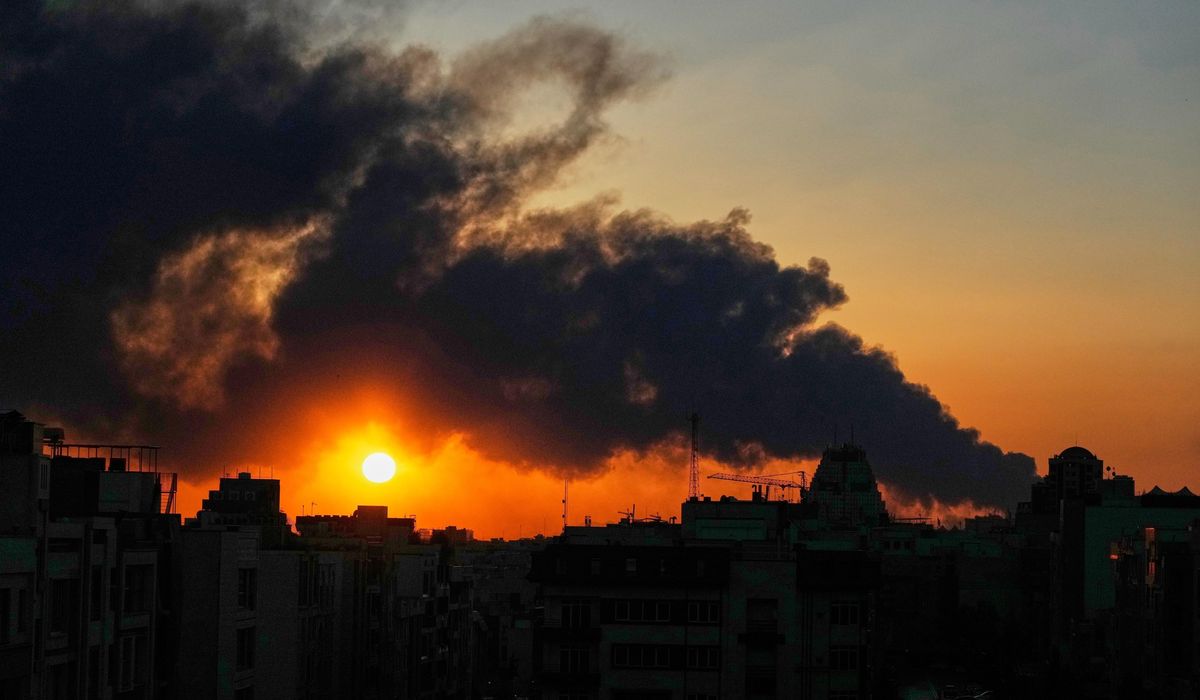
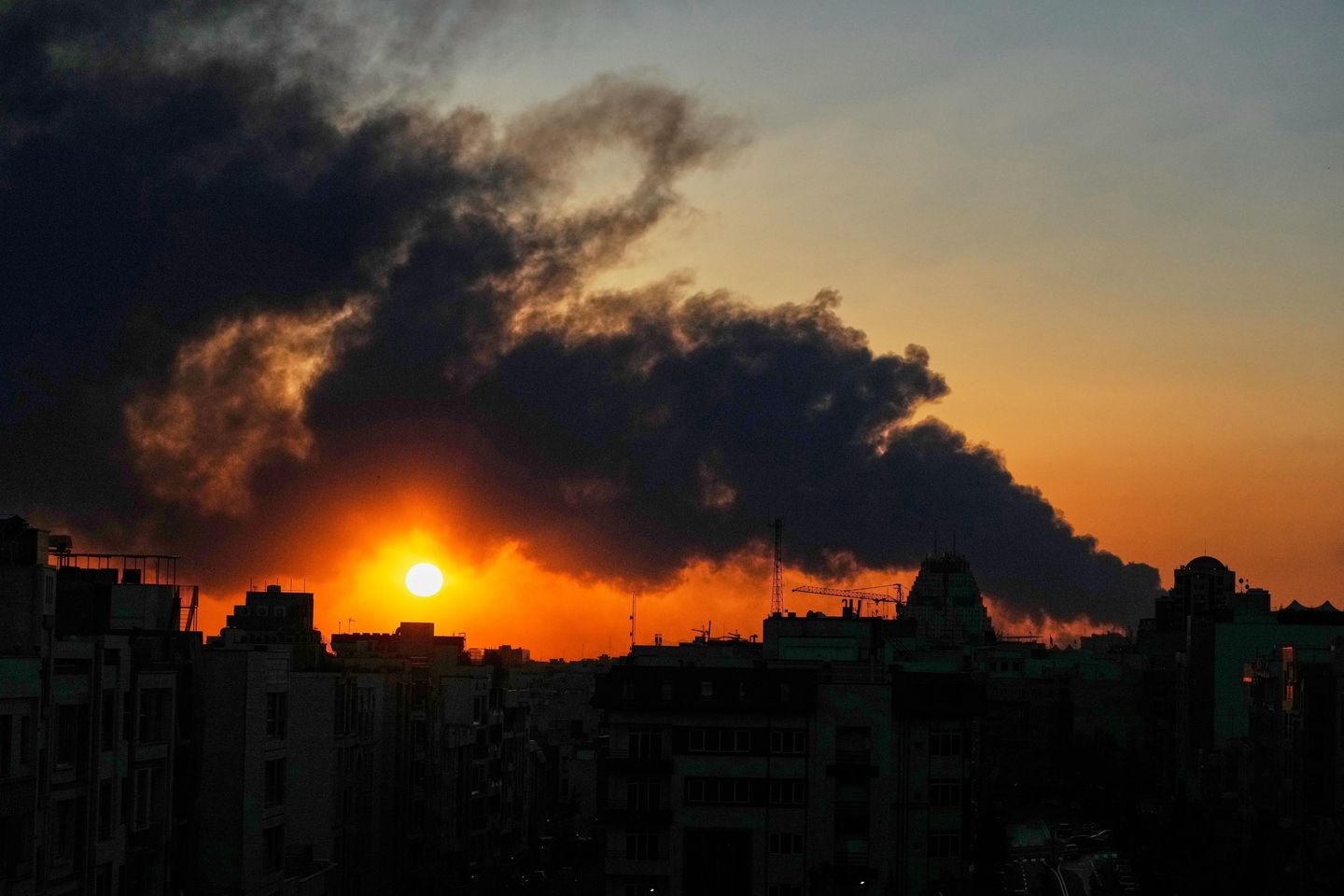
The first 100 hours of Operation Epic Fury, the U.S.-Israeli campaign in Iran, cost an estimated $3.7 billion, according to experts at the Center for Strategic and International Studies.
The Pentagon is racing to find additional funds to pay for the costs of the U.S.-Israeli campaign in Iran. Lawmakers in Congress have already started to discuss a possible supplemental funding request to support the purchase of munitions to backfill American stocks.
The recent fight has brought stockpiles low enough that major defense contractors and munitions producers were summoned to the White House Friday to discuss ramping up production.
“The unbudgeted costs here will be substantial,” write Mark Cancian and Chris Park, both experts at the Center for Strategic and International Studies, a nonprofit think tank. “The DOD will need additional funds at some point because the level of budget cuts needed to fund this conflict internally would likely be politically and operationally difficult.”
Both President Trump and Defense Secretary Pete Hegseth have indicated that the conflict could rage on for weeks, though Mr. Hegseth’s recent statements suggested a shift in the U.S. approach to conserve more of the most expensive and difficult-to-produce munitions.
“The political challenge for the administration will be that any funding action will become a focal point for opposition to the war,” writes Mr. Cancian, who is a senior adviser with the defense and security department at CSIS.
The analysis by CSIS focuses on the conflict itself. Costs that would include the movement of U.S. forces into the region in preparation for the campaign against Iran would, according to experts at the Pentagon, be nearly double or even triple the amount.
Munitions, according to CSIS, make up the largest cost in unbudgeted expenses from the war, assuming the costs for the rockets, missiles, and bombs used are the same as in previous years. Many of those munitions have been the subject of congressional attention in an attempt to make them more cost-effective and increase competition in the defense marketplace, but competing suppliers are still producing at a relatively low rate.
The U.S. has used over 2,000 munitions in those first 100 hours of the conflict. Adm. Brad Cooper, the commander of U.S. Central Command forces, said the initial barrage included cruise missiles, air-launched missiles, bombs and many air-defense missiles, known in the military as interceptors.
Now that Mr. Hegseth says the U.S. military can use shorter-range weapons, those costs will decrease drastically. Munitions fired in the first four days of the conflict cost multiple millions per shot, while bombs that will, according to the Pentagon, now be able to be used with much less risk to the pilots, cost tens of thousands.
Mr. Trump is not shying away from the cost of the conflict. In January, he publicly pledged to push the defense budget up to $1.5 trillion, making the yearly defense budget cost more than the entire value of Berkshire Hathaway, the investing firm run by Warren Buffett.






![Donald Trump Slams Chicago Leaders After Train Attack Leaves Woman Critically Burned [WATCH]](https://www.right2024.com/wp-content/uploads/2025/11/Trump-Torches-Powell-at-Investment-Forum-Presses-Scott-Bessent-to-350x250.jpg)