This year has been a severe test of the Conservative Party’s resilience. Defections, disappointing local results and the constant hum of speculation about the party’s survival in the polls combined to create the impression that the Conservatives were operating in a state near post-mortem.
At times, worries that little could be salvaged dominated – and yet to view the year solely through a lens of decline would miss an important shift since the party conference in October. The party may still be far from recovery, but it is no longer paralysed.
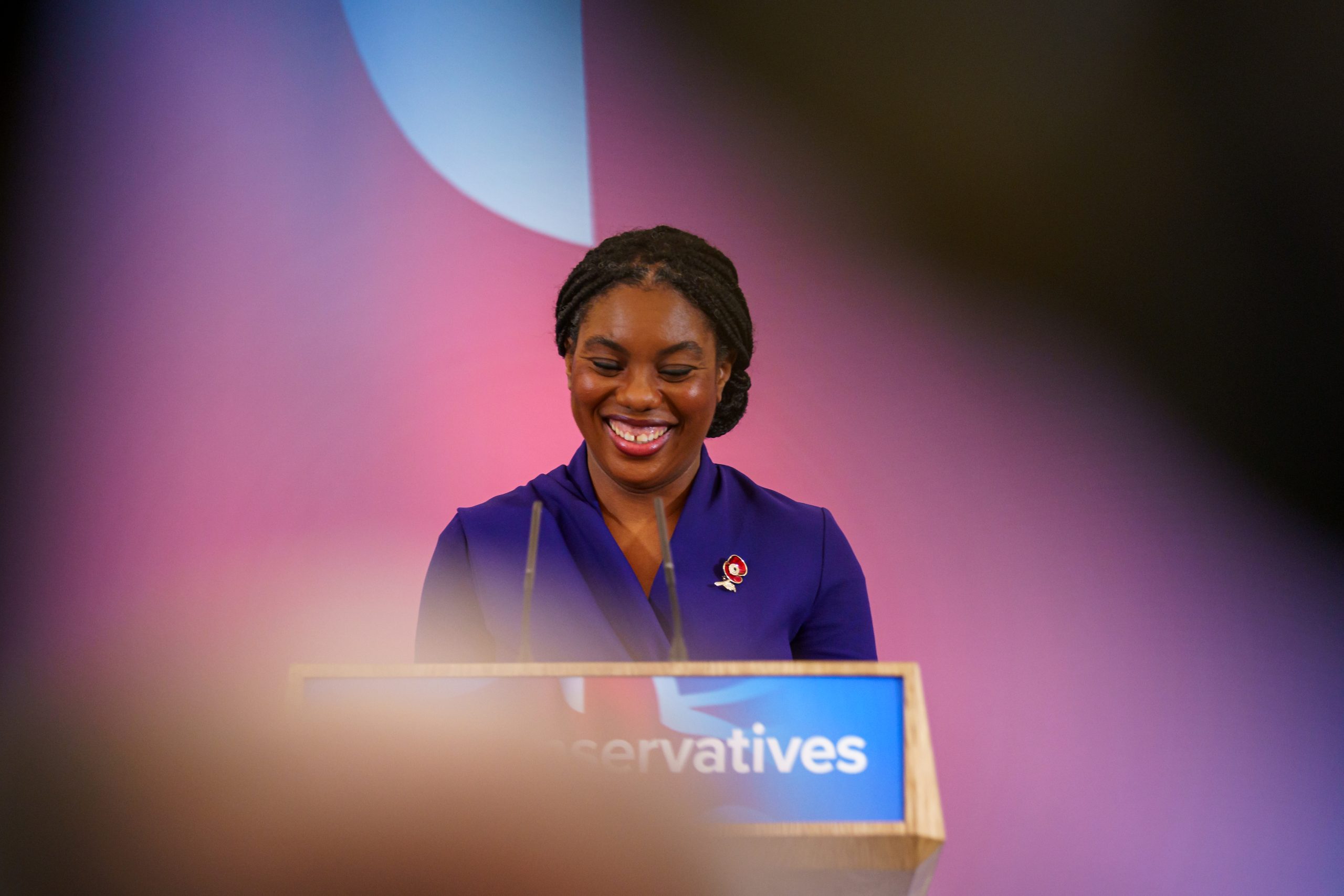
“We have renewed the Conservative Party,” I can reveal Kemi Badenoch told Tory MPs in a meeting of the 1922 committee this week, “Labour has no guiding star. Reform are pro welfare and nationalisation. Lib Dems have no clue”.
She added: “Next year won’t be easy. We lost the trust of the public. But we can turn it around… and we will do it in one term.” A confident declaration from the Tory Leader who, for much of this year, faced whispers and rumours about how long she has left in the job.
“The question is do we get rid of her in November or May,” her critics used to ask. November passed without consequence, May still has a question mark. Now chatter is more about how Sir Keir Starmer could be out of a job post the local elections next year than Kemi Badenoch – not many would have predicted that, but it would still be an error to rest easy.
Almost throughout 2025, the dominant feature of Conservative Party politics has not been ideological conflict so much as nervous exhaustion. MPs worried about relevance, activists about morale, councillors about survival. The party faltered between two contradictory pressures: the need to signal sufficient boldness to halt defections, bolster the team and build up a new Tory brand, alongside the need to avoid confirming voters’ doubts about competence and promises that can’t be believed. That tension created a nervous culture at the top.
Badenoch – conscious of expectations – discloses privately that the weight of having the Tory Party and its brand on her shoulders initially made her cautious. She telles people how she witnessed a Tory leader in Liz Truss blow themselves up and drag the party into chaos with them, and does not want her leadership associated with anything similar. In that cautious hesitance, Badenoch resisted both the pressure and temptation to chase immediate headlines. Whether that was the right choice depends on who you talk to.
Some Tory MPs still claim of “a wasted year”, that the Tory Leader’s lack of immediate action “put us on the back foot, vacated the space and let Farage walk straight into it”. Allies say “we told people to be patient and the value in that is now coming good”, with one LOTO source telling me: “We needed an opening for people to start listening to us again. To begin with we had to work out what we were opposing – Labour ended up making that much easier for us.”
But it was in that context that the October conference came to matter. Badenoch took ownership of her speech, writing much of it herself (her speechwriter, Merlin, who moved over from Helen Whately is understood to have made a real difference), and laid out a clear set of priorities from the economy to borders, with a strong focus too on work and welfare reform.
The subsequent ‘policy blitz’ – aided by a very driven Alex Burghart and Neil O’Brien – was structured, and the renewed focus on Tory economics is now guided by what Badenoch termed a “golden rule”: at least half of anything saved through spending cuts will go towards reducing government borrowing. Starmer on multiple occasions has referenced it at PMQs. “He loves giving it the free publicity,” one shadow cabinet minister says – and that is alongside the Tories having helped secured a number of U-turns from Labour: winter fuel with Helen Whately; grooming gangs inquiry and increasing ILR with Chris Philp; employment rights bill changes with Andrew Griffith; re-opening the sustainable farming incentive scheme with Victoria Atkins.
The result has been unmistakable. Badenoch appears more comfortable inhabiting the top job rather than contending with it, and inside the party that change was noticed almost immediately.
A lighter mood has emerged — not because the party’s problems have evaporated, but because there is hope that they may be more manageable. Even Badenoch’s strongest sceptics acknowledge that the party’s energy has shifted from despair to cautious optimism, leading her to tell MPs: “We are the most united I’ve seen.”
The polls, however, despite all the talk from LOTO and the shadow cabinet about waiting for the right time when people have started listening to the Tories again for Badenoch to make her mark, have yet to shift the dials enough for comfort. Although her personal polling has had a rapid improvement and many within the party do ask the question: Who would really be doing any better right now?
Where a few months ago the focus was on Badenoch’s survival, the question is now whether she can consolidate her newfound strength and translate steadiness back into electoral traction.
As she told Tory MPs at the 1922: ““We can see from by-elections like the one in Stockton – that was not only won, but we increased our vote – huge thanks to Matt Vickers and the team. This just shows we can win, but there is no substitute for hard work.
“We need to be clear what the Conservative Party now stands for… living within our means, reducing taxes, reducing energy bills, backing business, and getting out of the way to let wealth creators do what they do best.”
Work is well underway by CCHQ CEO Mark McInnes and chairman Kevin Hollinrake to implement their plan for local elections next year, that is if they go ahead. With the candidates process chugging along for GE selection. (Hollinrake’s latest comments about entering a coalition with Reform will ruffle just as many feathers as his previous comments about Reform UK, linking their logo to a Nazi party badge, only potentially in different camps.)
None of this should be interpreted as a sign that the party has solved its problems. Reform continues to attract despondent voters. Local election results earlier in the year exposed the level of weaknesses. Trust, once lost, does not return on command. Complacency that all is well would be a severe mistake.
The past year, then, should be read both as warning and opportunity. The warning is clear enough: voters are sceptical, patience is thin, and nostalgia is not a winning offer. But the post-conference composure – from policy to Badenoch’s own confidence – marks a necessary, if not sufficient, step toward recovery. It is not a guarantee of electoral success, but without it, prospect of recovery would have been inconceivable.






![Donald Trump Slams Chicago Leaders After Train Attack Leaves Woman Critically Burned [WATCH]](https://www.right2024.com/wp-content/uploads/2025/11/Trump-Torches-Powell-at-Investment-Forum-Presses-Scott-Bessent-to-350x250.jpg)