Joe Robertson is Conservative MP for Isle of Wight East and shadow DCMS minister
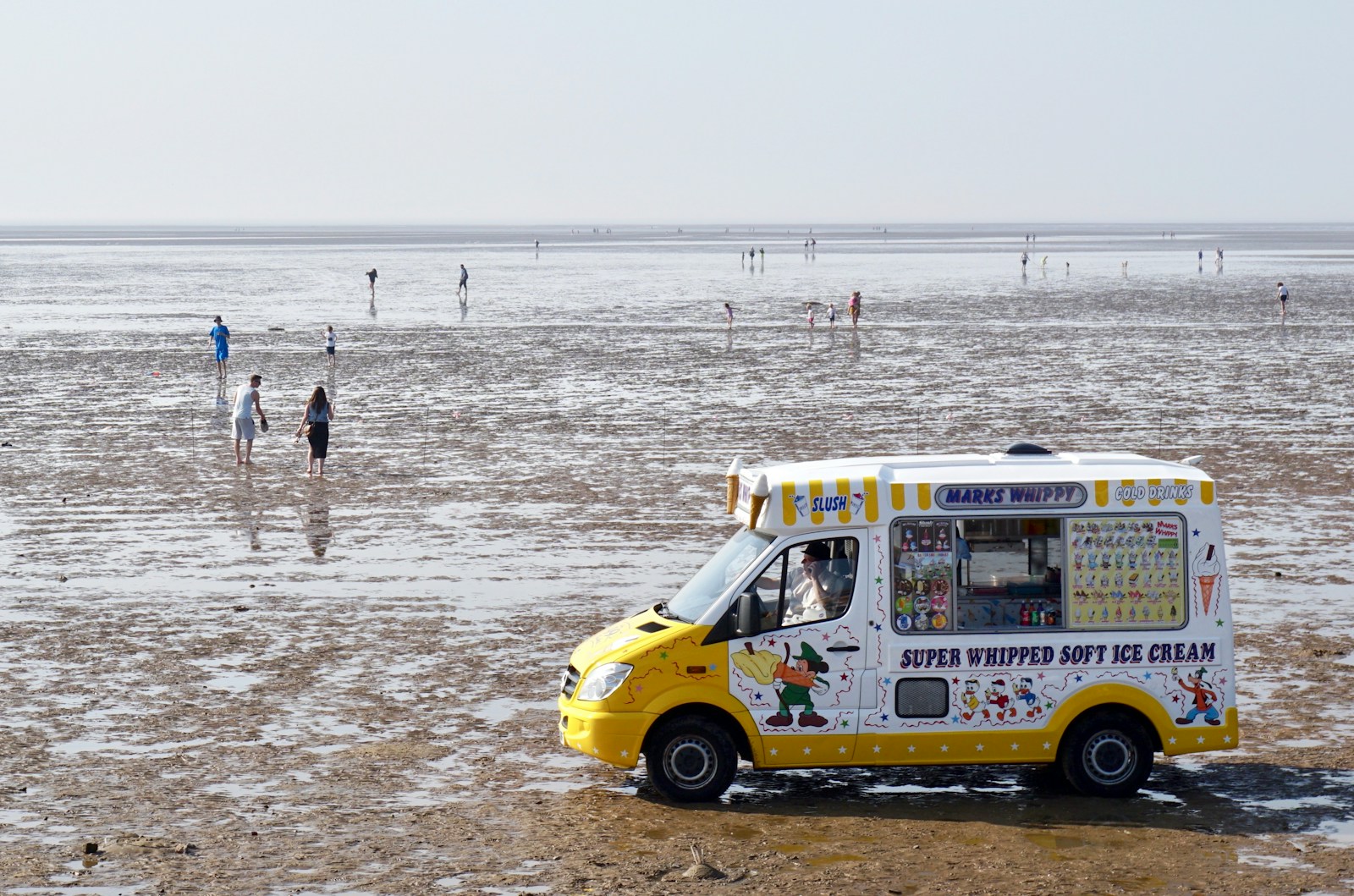
At the height of summer, you can stand on a British seaside pier and watch two nations at once: the Britain of holidaymakers licking melting ice creams, and the Britain of small businesses quietly wondering how much longer they can hold on. Behind the fond memories of a holiday to the coast lies a difficult reality – our coastal economies are being slowly choked, not for lack of talent or ambition, but by a government that doesn’t understand how they work.
Tourism and hospitality are, by nature, seasonally orientated. That is not a flaw but a feature. Young people in my constituency – in places like Ryde, Sandown, Shanklin and Ventnor – rely on seasonal, flexible and part-time work precisely because it fits around study, training or caring responsibilities. Employers rely on that flexibility to match the rhythms of the visitor economy. But instead of supporting this essential adaptability, the Government has chosen to hobble it. Their unemployment rights reforms threaten the very flexibility that benefits workers and helps keep those businesses afloat.
All of this is on top of an already punishing tax environment that got worse still in the Chancellor’s Budget last month. Tourism and hospitality in the UK more heavily taxed than in the rest of Europe. Faced with rising energy bills, costly supplies and jittery consumer confidence, small businesses needed breathing space. Instead, they were handed even higher taxes and fresh red tape. It is little wonder that 55 per cent of all jobs lost under this Government have come from retail, hospitality and leisure. These are not abstract statistics; they are real livelihoods, real families and real futures disrupted.
Nowhere is this more visible than in coastal communities like those on the Isle of Wight, where 38 per cent of our local economy relies on tourism. When the Government taxes something, we can expect less of it. Fewer visitors would be devastating, yet Ministers continue to plan for a tourism tax on overnight stays. For communities already on the economic edge, this would not just be misguided, it could be ruinous.
Small business owners frequently ask me what they should tell the young people they can no longer employ because the season has shrunk or the costs have surged. They ask why their taxes keep rising while the Government insists more money is needed for an ever-expanding welfare bill. And they ask, understandably, how a government that claims to value work can pursue policies that make it harder for people to work.
The irony is that last summer the Government briefly recognised the need to control welfare spending, but in scenes that could only be described as political farce, those plans were abandoned mid-speech when their own backbenchers revolted. This is not leadership; it is incompetence. Incompetence that leaves coastal communities paying the price.
What has followed is a contradictory and destructive approach. Ministers now suggest that the answer to labour shortages in tourism and hospitality is to encourage people to take these jobs while still on welfare – after their own tax policies helped drive many of those same people out of private sector employment and onto state reliance.
It is a cycle of policy failure: businesses struggle because of Government-imposed costs, workers lose jobs, welfare spending rises, and then the Government asks those newly unemployed to fill the gaps created by its own decisions. If that sounds both socialist and incompetent, that is because it is.
The surest way to fund public services is to grow the economy, not shrink it. A thriving tourism sector boosts the tax take for the Treasury without having to increase a single tax. By easing the burden on small businesses, the Government could stimulate growth and raise more revenue, not less. That is how thriving economies and resilient public services are built.
Our seaside towns are full of potential. They have thrived before and they can thrive again. Their future depends not on nostalgia, but on practical support for the industries that sustain them. That requires a government willing to listen and capable of acting, not one improvising from crisis to crisis. With the right choices, coastal communities can forge a new future, but with the chain of government around their neck those possibilities appear as far away as ever.






![Donald Trump Slams Chicago Leaders After Train Attack Leaves Woman Critically Burned [WATCH]](https://www.right2024.com/wp-content/uploads/2025/11/Trump-Torches-Powell-at-Investment-Forum-Presses-Scott-Bessent-to-350x250.jpg)