Joey Gwinn is a parliamentary assistant, researcher, and a former county and city council candidate.
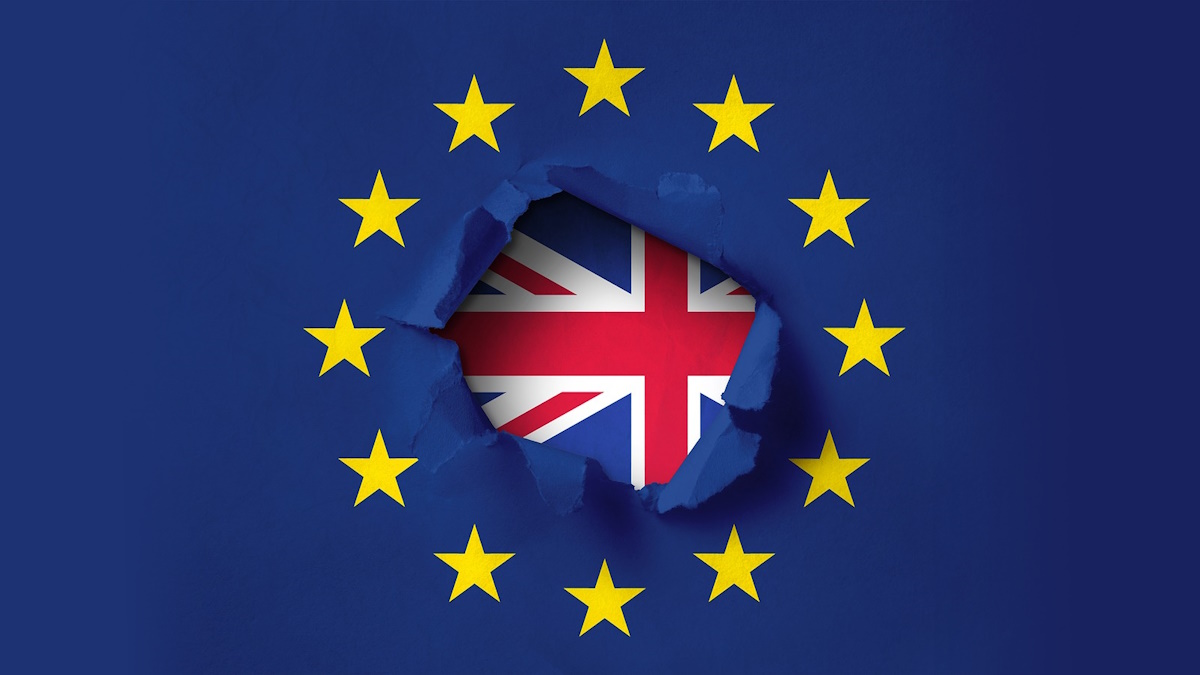
For months, the final holdouts of Brexit acceptance have made their calls to re-embrace EU alignment far louder – coalescing around a single Liberal Democrat estimate that entering a bespoke customs union, never been offered to anyone by Brussels before, could boost GDP to the tune of £25bn for the public purse. Now, concerningly, these shrills have started coming from Labour’s own cabinet.
Over Christmas, Wes Streeting broke ranks to call for his own party to pursue the ‘closest possible relationship’ with the EU. Deputy Prime Minister David Lammy had publicly supported the same customs union arrangement touted by the Lib Dems just three weeks prior. Clearly, there has been a significant resurgence in lust for the shackles of Brussels and Strasbourg across the British political establishment.
In 2020, the last full year of paid membership, The UK paid fees of £22.2bn – reduced to £17bn because our hard-fought longstanding negotiated annual rebate. Analyse the most recently available treasury data, and it’s clear to see that the UK would now have to cough up annual membership fees of £31.3bn should we rejoin the EU.
Making up this figure are the three components of the EU’s membership formula – 0.8% of GNI using the ONS’s most recent annual figures for Q3 2024 – Q3, 0.3% of the UK’s VAT base using HMRC’s statistics from the most recent tax year and 75% of all of our non-EU customs receipts based on analysis of customs figures released by HMRC for the same period.
Furthermore, EU officials have for years made it clear they would not consider any new or returning member eligible for a negotiated rebate or “correction Mechanism” on budget contributions – mandated as such by the Commission’s 2021-2027 Multiannual Financial Framework. This means that it is almost certain that the UK would not be granted any rebate relief should we re-enter the Union. At the full £31.3bn, our rejoined membership fees, excluding any frequent one-off contributions to ‘off-budget’ schemes, will be almost double those paid even in our final, and most expensive, year of membership.
Therefore, the membership fees alone would mean rejoining the EU would cost every UK household over £1094 a year.
It would also instantly eclipse the estimated £25bn estimated public finances boost – if indeed such an estimate, cherrypicked as the highest of a range, is even founded in the reality that we would be rejoining a trading bloc which we already have a comprehensive zero tariff free trade agreement with.
All of which all begs the question – with the country’s balance sheets already stretched to extremity and saddled with a borrowing dependency, and the taxpayer having already been raided twice consecutively by Starmer’s government for an extra £60.3bn to keep the frailest clasp of fiscal saliency, where would the money come from?
It seems clear now that Downing Street’s instinctive initial reaction to any new budgetary demands is to eye up what they haven’t already picked from the public’s pockets. For the Treasury to cover £31.3bn worth of additional public expenditure, the OBR’s own pre-Budget estimates suggest that it would be required to hike the 20% basic rate by a staggering 4.5% – more than double the manifesto breaking 2% income tax increase trailed and subsequently dropped by Reeves after clashes in the chaotic final few weeks before the November Budget. There is no other single tax lever left available to the government that could realistically even provide a portion of what would be required annually to rejoin.
So if tax increases are simply off the table, then where in the current budget could £31.3bn actually be found? Considering the Government’s catastrophic attempts so far in whipping their own MPs to cut any of the country’s annually managed expenditure – consisting mainly of welfare, pensions, student loans and interest on government borrowing, the only fruit left hanging at all remains in departmental budgets. Shockingly, the annual membership costs of rejoining the EU are surpassed by just 3 out of 24 of the Government’s ministerial departmental budgets – Education, Health and Social Care, and Defence.
If costs were to be offset against the education system, then DfE’s £95.2bn annual non-capital expenditure budget would be left with less than it costs to run just England’s primary and secondary schools, let alone post-16 sixth forms and colleges, university grant funding, or any of the 30 hours of free childcare provided for parents of 9 month – 4 year olds.
A similarly bleak picture emerges when looking to swing the axe through Health and Social Care. If we sacrificed all funding for GP practices and mental health provision across the whole of England from DHSC’s annual £203bn running costs, we would still be £2.5bn – almost a month short of paying our annual EU membership fees. At £20.9bn, cancelling the supply of all medicines procured annually by the NHS would only keep us in the bloc until the 1st of September each year.
Defence wise, a £31.3bn EU membership fee could potentially cost up to 261 times more than the beleaguered £120m a year plus inflation Chagos surrender and lease deal. The MoD’s five-year capital investment plan forecasts an average annual spend of £28.8bn to update and bolster British defence capabilities in response to Russian aggression, emerging Chinese threats and NATO budget increase requirements as decreed by the US.
The ceasing of the acquisition of a single new ship, aircraft, vehicle or weapon, as well as any new or updated supporting infrastructure or weapons R&D would not only eviscerate any hope of this, but fail to even singularly offset the costs of rejoined membership fees. There is no world in which UK rearmament should be worth less than the membership of a trading bloc that we already have tariff-free trade relations with.
Then there’s the devolved administrations. At £41.1bn only Scotland’s resource Barnett bloc grant is valued higher than what the EU would expect to take from our central budget. Even though pro-EU sentiments remain highest north of Hadrian’s wall, can a cost of maintaining a rejoined status relative to 76% of their entire central government funding be justified to quell the anti-English sentiments of an agitated few?
No other budget items valued greater remain; if you were to ringfence these three departments and the Barnett block grants, you would have to cut 29.9% of the departmental budgets of every single remaining government department – Home office, Transport, and Energy included.
It is clear to see that such tax or spend changes would be economically apocalyptic; there is no realistic avenue in which to fund a return to the EU.
Regardless, spending £31.3bn worth of taxpayers’ money to chase an alleged £25bn additional trade-based tax take is fiscal insanity. It will bankrupt us, not save us.



![Donald Trump Slams Chicago Leaders After Train Attack Leaves Woman Critically Burned [WATCH]](https://www.right2024.com/wp-content/uploads/2025/11/Trump-Torches-Powell-at-Investment-Forum-Presses-Scott-Bessent-to-350x250.jpg)