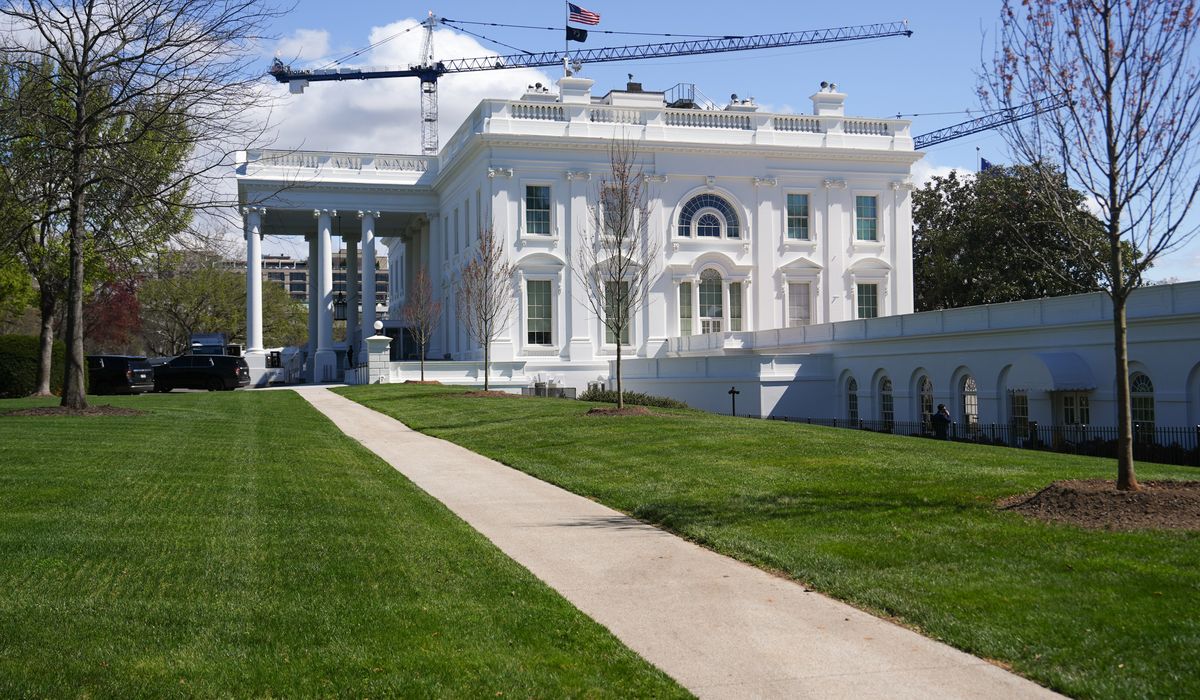
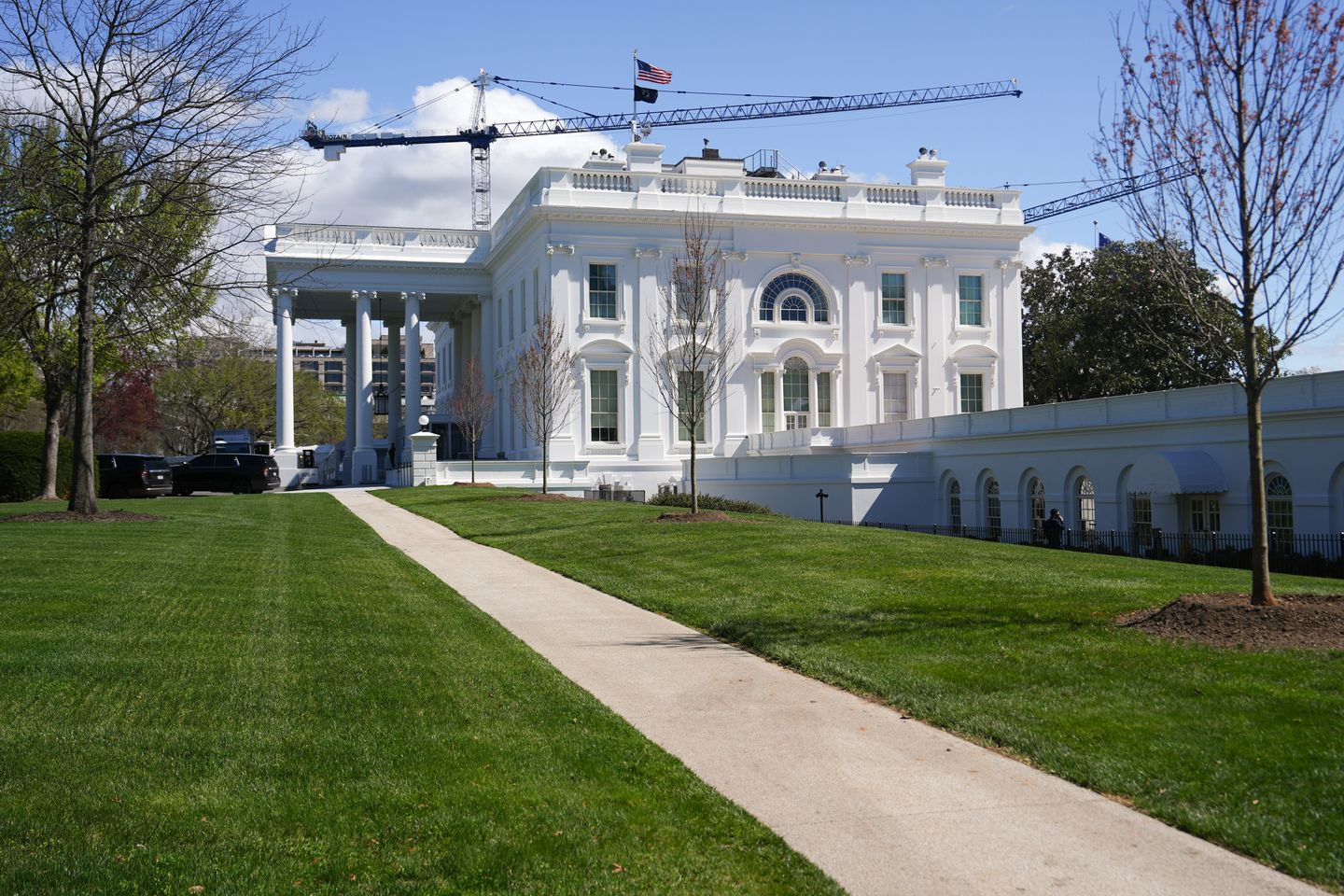
A federal judge hit pause on President Trump’s plans to build a new ballroom on the site of the old White House East Wing, saying he acted rashly in moving ahead without Congress and must go to Capitol Hill for permission before continuing any work.
Judge Richard Leon, a George W. Bush appointee to the court in Washington, had previously allowed below-grade work to continue for safety and security reasons. But in his new ruling, he said he’s concluded the president didn’t have the power to unilaterally demolish a part of the White House complex, then build a new structure on his own say-so.
“The president of the United States is the steward of the White House for future generations of First Families. He is not, however, the owner!” the judge said.
He acknowledged “novel and weighty issues” in the case, and said halting a project already underway may be tricky.
He exempted safety and security projects from his injunction.
And he put his ruling on hold for 14 days to allow for the government to appeal.
The East Wing housed the first lady’s offices and a theater.
Mr. Trump had it demolished in October, and his latest plans call for a $400 million ballroom — footed by private donations — that he has said would be the envy of the world.
The National Trust for Historic Preservation sued, saying Mr. Trump was erasing a part of history and broke a number of preservation policies, in addition to acting without approval from any outside authority.
Officials belatedly went to the Commission of Fine Arts to get designs approved in February, and the National Capital Planning Commission was scheduled to vote later this week.
Judge Leon had taken a cautious approach to the lawsuit, allowing the White House to do work on the foundation with the understanding that above-grade construction wouldn’t start until April.
With that deadline staring at him, however, he acted Tuesday.
Judge Leon said he found Congress’s control over the White House in several parts of the Constitution, including the Property Clause giving Capitol Hill power to control public lands; the Appropriations Clause, giving lawmakers the power to spend money; and the District Clause, which gives Congress authority over the capital city.
The White House had claimed inherent presidential powers over the president’s home.
But Judge Leon said “no law comes close to giving the president this authority.”