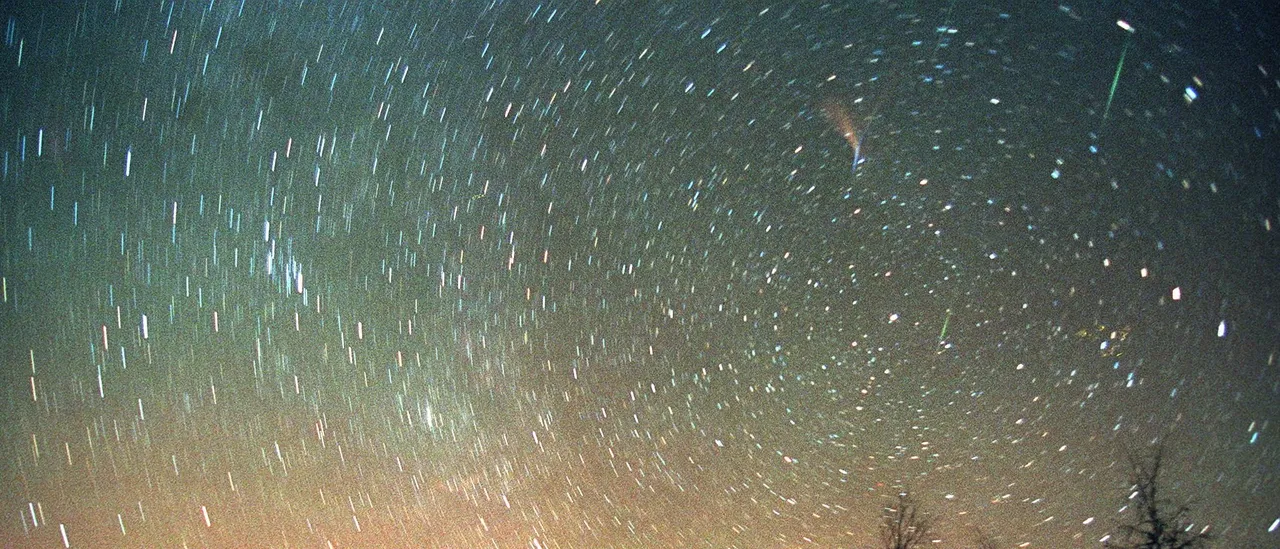
North American stargazers can catch the Leonid meteor shower reaching its peak Nov. 17.
With the Moon being just a slim 9% illuminated waning crescent, observers will have an ideal view of the shooting stars event, according to FOX Weather. (RELATED: One Dead, 5-Year-Old Missing In California After Family Gets Pulled Out Into Ocean)
The Leonids are considered a major meteor shower, and under optimal conditions in the proper location, observers can witness several hundred to more than thousands of meteors per hour.
Under the right conditions, the Leonid meteor shower will reach peak activity from midnight through dawn, per FOX Weather.
What’s up, skywatchers?
The Leonid meteor shower peaks Nov. 16-18. Meteors will radiate from the constellation Leo in the eastern sky.
The shower runs through Dec. 2, but at its peak, you could see up to 10-15 meteors per hour in dark skies! pic.twitter.com/M04sownAto
— NASA JPL (@NASAJPL) November 15, 2025
Even outside the peak hours, observers could still witness 10–20 Leonid meteors per hour streaking along the skies.
The Leonids are renowned for being exceptionally bright, colorful meteors. Traveling at 44 miles per second, they are among the fastest meteors known, according to NASA. The last Leonid shooting stars event occurred in 2002.
To catch the best view of the meteor shower, NASA recommends heading to a dark spot far from city lights or streetlights. Face east, lie on your back and let your gaze sweep the skies. In under 30 minutes in the darkness, your eyes will fully adjust and you will start to see the shooting stars.





![Donald Trump Slams Chicago Leaders After Train Attack Leaves Woman Critically Burned [WATCH]](https://www.right2024.com/wp-content/uploads/2025/11/Trump-Torches-Powell-at-Investment-Forum-Presses-Scott-Bessent-to-350x250.jpg)