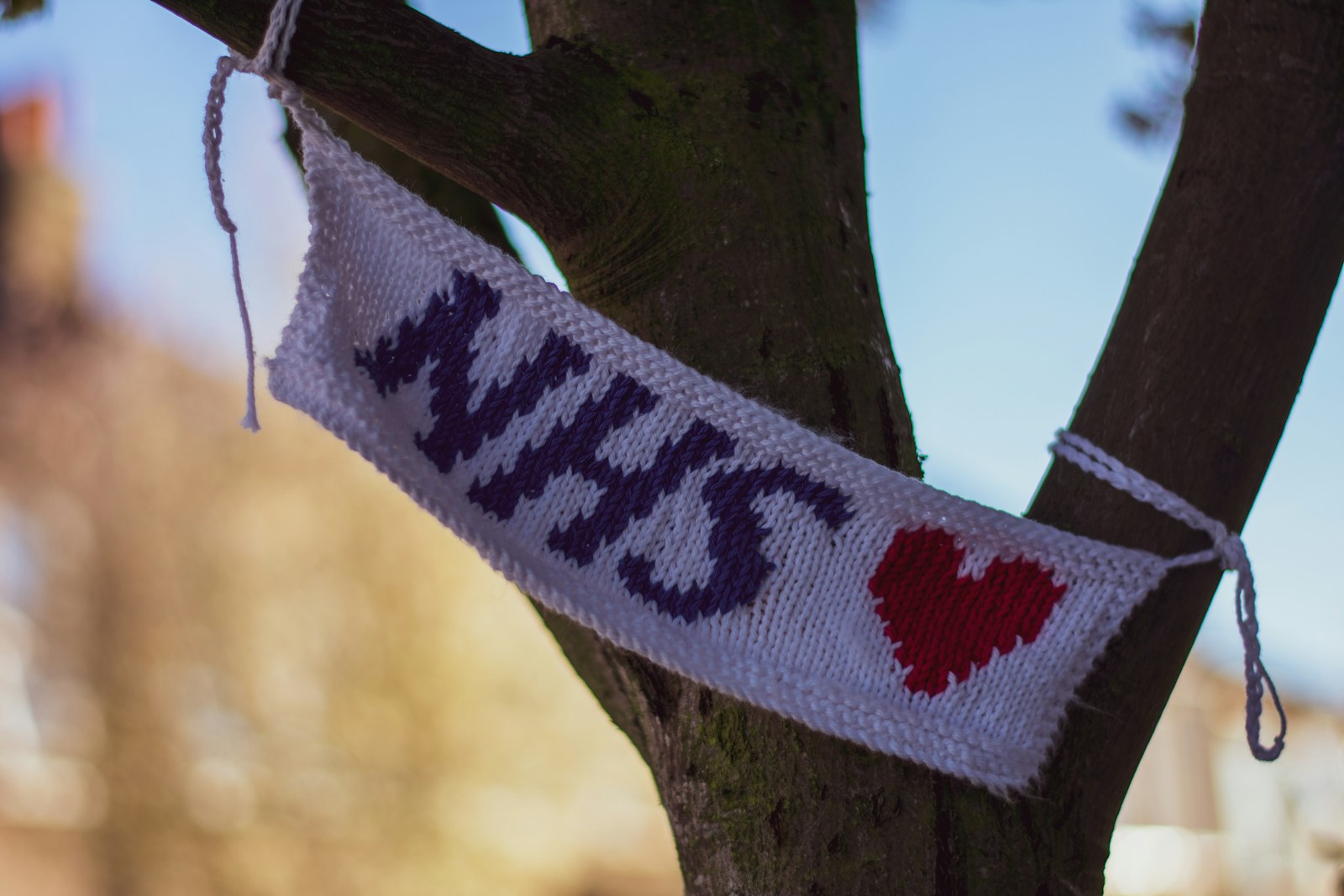
This morning’s Times reports that Labour’s much-vaunted reduction in NHS waiting times might not be all its been cracked up to be: “[A]n analysis of official NHS statistics by The Times reveals that this drop was achieved only by removing thousands of patients from the waiting list through a process known as “validation”. It goes on:
“In November, the month that Starmer was referring to, 346,300 were removed from NHS waiting lists, 82,000 more than the month before, which accounted for almost the entire claimed drop in the waiting list. At the same time, NHS data shows that in November hospitals actually carried out about 10 per cent fewer operations and appointments than they did in October, suggesting that fewer people were being treated.”
It seems so obvious in retrospect, doesn’t it? If the thing everyone talks about is the number of people waiting for treatment, rather than the volume of treatment performed, then any institution looking for a quick apparent win (and the British Government is, these days, always such an institution) will be sorely tempted to focus on finding ways to get the lists down by shunting people off them.
That might not always be a bad thing, of course; it rather depends on the manner of their leaving. One of the examples given of patients removed from waiting lists via the NHS ‘validation’ process are those for whom “other options such as physiotherapy might be more beneficial”, and provided that really is the case the identification of such patients is no bad thing.
But another group of patients is those who have died, which seems a deeply counterproductive thing to be adding to waiting list reductions (at least if one expects a pat on the back for them).
Nor can it be overlooked that central government has been paying NHS trusts to conduct these exercises:
“Between April and September last year NHS England paid hospital trusts a total of £18,818,566 for validation exercises, with the organisation saying that trusts were paid about £33 for each patient removed from the list. This would mean that over the six-month period more than half a million patients were removed through the “validation” process.”
Now I don’t think that this would be structured so crassly as to actually pay for removals, the perverse incentive would be too obvious. But the framework in which these exercises are conducted would be obvious enough to all concerned.
It’s also worth noting that apparently Rishi Sunak refused to pay for validation schemes because NHS trusts ought to have been doing them anyway, and this also seems an unarguable point, not merely on moral grounds but because if paying consultants to trawl patient lists to find people who didn’t need treatment actually produced serious savings – and it ought to, as presumably few of those patients needed only £33 of care – then surely trusts have a strong incentive to be doing them on their own initiative? Why weren’t they?
Overall, the whole story feels like a very mild example of the sort of the sort of vignette found in Red Plenty, an excellent book which provides a fictionalised look at the experience of the Soviet economy: deliberately breaking a machine so you could get a new one in order to hit your production targets, only to be sent another of the old one because it’s heavier and the machine factory’s targets are set by weight, etc.
It just isn’t easy to put together a good incentive structure for an organisation run on the basis the NHS is. Without the profit motive, there is little incentive to chase efficiency, whilst its near-monopoly status as healthcare provider leaves little need to invest much in customer service. Government is thus forced to try and impose these incentives externally, and that’s very tricky.
Because what is the alternative to measuring waiting lists? The obvious one which leaps out, and was the first thought in my head after finishing this story, was measuring actual work – operations and appointments. But that simply creates a different perverse incentive structure, and we would probably end up with stories about patients being funnelled towards frivolous treatments for the sake of the statistics.
That is, after all, exactly what happened in education under New Labour. Ministers took the superficially sensible step of measuring schools by the grades they produced, but then grossly bungled the relative weight given to a GCSE or A Level compared to various vocational qualifications a pupil could get in a couple of weeks. The result, inevitably, was some schools which produced excellent paper results by funnelling pupils towards near-worthless qualifications.
Obviously that system could have been designed better, and the same might be true of an output-based metric for the NHS. But over any significant span of time, a bureaucracy is always going to get better at gaming a scrutiny regime than an ever-rotating cast of ministers is going to get at designing and enforcing it.
And the price for that will ultimately be paid by the politicians, as the Starmer Government will learn. Public dissatisfaction with the NHS is being driven by personal experience of it. Individual voters may or may not be impressed by announcements about reduced waiting times, but it will only translate into sustained political benefit if those announcements end up tallying with an improved experience of actually using the service.
If not – and especially if boasts about reduced lists turn out to have coincided with reduced levels of care – such boasts will come rightly to be held in the same contempt as were Soviet tractor statistics. And even the Communist Party of the Soviet Union didn’t try that sort of thing in a system where people could actually vote them out.




![Donald Trump Slams Chicago Leaders After Train Attack Leaves Woman Critically Burned [WATCH]](https://www.right2024.com/wp-content/uploads/2025/11/Trump-Torches-Powell-at-Investment-Forum-Presses-Scott-Bessent-to-350x250.jpg)
![Kamala Comes Unglued, Makes Bogus Claim About Her Landslide Loss to Trump [WATCH]](https://www.right2024.com/wp-content/uploads/2025/10/Kamala-Comes-Unglued-Makes-Bogus-Claim-About-Her-Landslide-Loss-350x250.jpg)