Minneapolis Police Chief Brian O’Hara said this week that city officers could be terminated if they fail to act when witnessing what he described as “unlawful” or “excessive” force by federal immigration agents.
O’Hara made the remarks during a press conference amid increased Immigration and Customs Enforcement activity in Minneapolis.
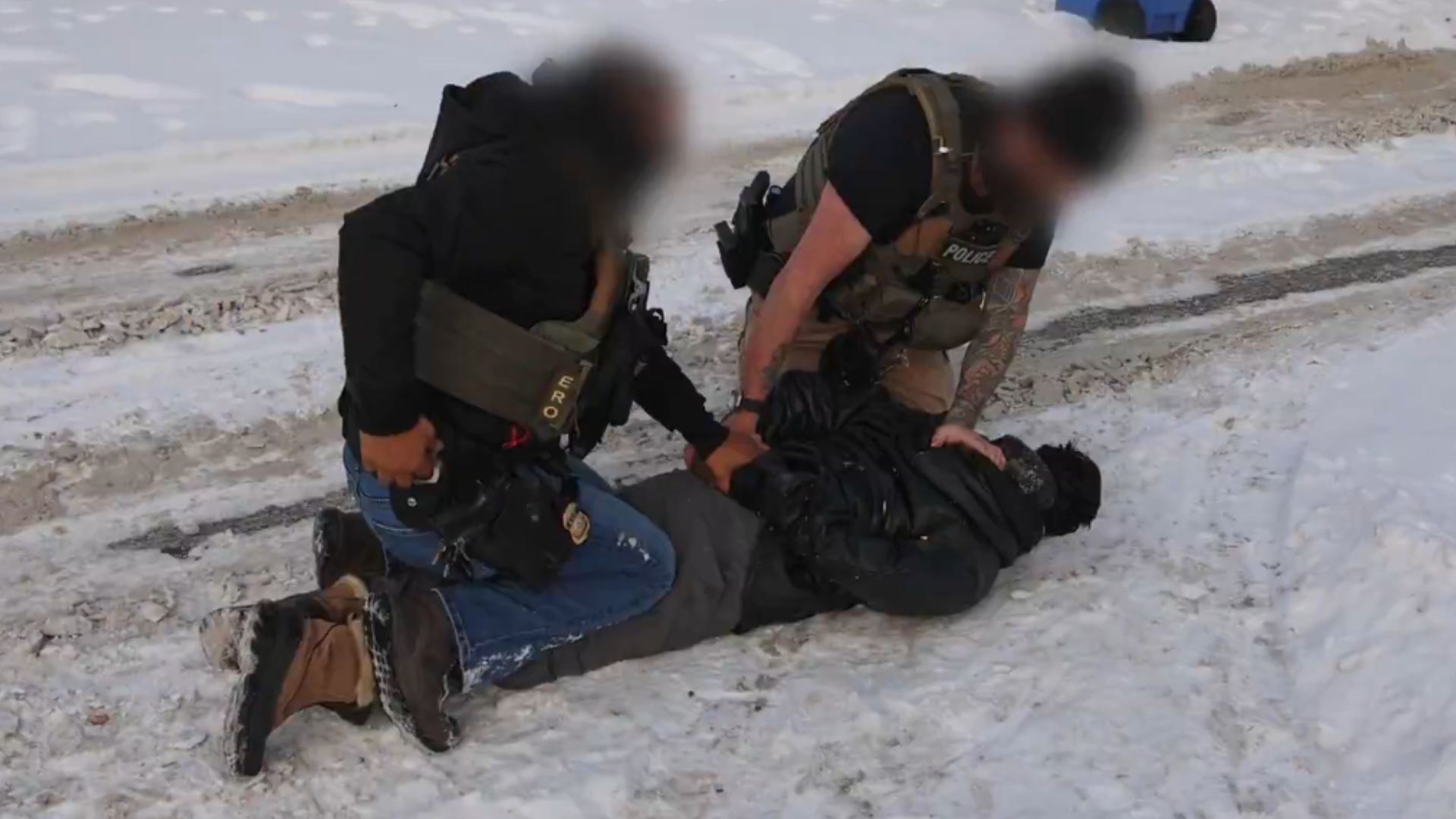
“If unlawful force is being used by any law enforcement officer against any person in this city and one of our officers is there, absolutely, I expect them to intervene, or they’ll be fired,” O’Hara said.
“Minneapolis Police Chief warns officers they will be fired if they do not stop ICE’s ‘unlawful force’.”
“Unlawful? Like these illegal invaders trying to claim residence in our country.”
“Unlawful? Like our tax dollars going to fund, shelter, house, feed, cloth these illegal… pic.twitter.com/cn7aDcDrbZ
— AmericanPapaBear™ (@AmericaPapaBear) December 10, 2025
He referenced the aftermath of George Floyd’s death in 2020, adding, “We’re not going to repeat that mistake with any agency federal or otherwise.”
This Could Be the Most Important Video Gun Owners Watch All Year
The directive surfaced as ICE has increased operations near Karmel Mall, a major hub for Minneapolis’ Somali community.
Karmel mall has 🇺🇸 🇸🇴 🇵🇸 flying side by side pic.twitter.com/WXItVfrSEs
— Hamza (@KeenNomad) October 26, 2024
Witnesses have reported federal agents conducting surveillance and detaining individuals in the area.
Videos circulated online have drawn additional attention from community groups and activists.
O’Hara’s position has drawn criticism from those who argue the policy could interfere with federal authority.
A social media post reacting to the announcement questioned the framing of the directive and referenced ongoing online debate about immigration enforcement.
The Department of Homeland Security responded to O’Hara’s comments.
Assistant Secretary Tricia McLaughlin said, “Does Chief O’Hara want his officers to intervene as our law enforcement arrests the convicted murderers, rapists, and gang members responsible for violence in American communities?”
The exchange highlighted emerging tensions between local leadership and federal immigration enforcement agencies.
Minnesota’s weather is cloudy with a 100% chance of ICE. pic.twitter.com/R2MahbPBA5
— U.S. Immigration and Customs Enforcement (@ICEgov) December 9, 2025
Minneapolis, as a sanctuary city, already limits cooperation with ICE, but the new directive raises questions about the extent to which local officers may be required to act in situations involving federal personnel.
Federal law restricts interference with ICE operations, and Minneapolis Police Department policy instructs officers not to obstruct federal activity.
O’Hara’s directive raises the possibility that officers could face conflicting obligations between city policy and federal statutes, potentially exposing them to legal consequences.
O’Hara reaffirmed his position, stating, “Our officers here have a duty to intervene… not just from law enforcement, from our own agency.”
He described the policy as part of broader police accountability measures.
Some local activists questioned whether the directive would result in concrete action. “I’ll believe it when I see it,” said Miri Villerius.
Community groups have reported concerns tied to recent nighttime enforcement operations, including accounts of masked agents and rapidly executed detentions.
O’Hara has encouraged residents to call 911 if they suspect an individual posing as a federal agent.
Minneapolis Police Chief Brian O’Hara says that Somalians should call 911 if ICE shows up wearing masks to make arrests.
He says police will “immediately respond” and “intervene.”
Interfering with immigration enforcement is a CRIME. pic.twitter.com/yTY0lFg3Sb
— Libs of TikTok (@libsoftiktok) December 2, 2025
The guidance has added to concerns about distinguishing between local and federal authority, particularly because ICE frequently uses administrative warrants rather than judicial ones.
This has contributed to questions about the extent of city officers’ involvement during federal enforcement actions.
While no Minneapolis officers have faced discipline under the directive, legal analysts have noted that any physical interference with ICE agents could prompt immediate legal review.
The situation places Minneapolis at the center of an ongoing national discussion regarding sanctuary policies, local policing authority, and interactions between municipal governments and federal agencies.
How the directive is applied, and whether it withstands legal scrutiny, may help shape future approaches to local-federal coordination in cities with sanctuary policies.
Not to go unnoticed, Minneapolis Police Chief Brian O’Hara inadvertently let the cat outta the bag overnight, saying prior to the overnight murders, in the last week there’s only been one shooting.
[while ICE has been in town and the rats have been scurrying] pic.twitter.com/RCQb7KhOfY— CrimeWatchMpls (@CrimeWatchMpls) December 11, 2025


![Donald Trump Slams Chicago Leaders After Train Attack Leaves Woman Critically Burned [WATCH]](https://www.right2024.com/wp-content/uploads/2025/11/Trump-Torches-Powell-at-Investment-Forum-Presses-Scott-Bessent-to-350x250.jpg)

![Two Dead, 14 Injured After Gunfire Erupts Following College Football Game in Alabama [WATCH]](https://www.right2024.com/wp-content/uploads/2025/10/Two-Dead-14-Injured-After-Gunfire-Erupts-Following-College-Football-350x250.jpg)