The International Olympic Committee (IOC) has announced a new policy to protect women in sports, under which only “biological women” — and not “biological men” who self-identify as women — will be permitted to compete in the women’s category.
The new policy, announced on March 26, will take effect starting with the 2028 Los Angeles Olympic Games and, according to the organization’s website, “will not be retroactive.”
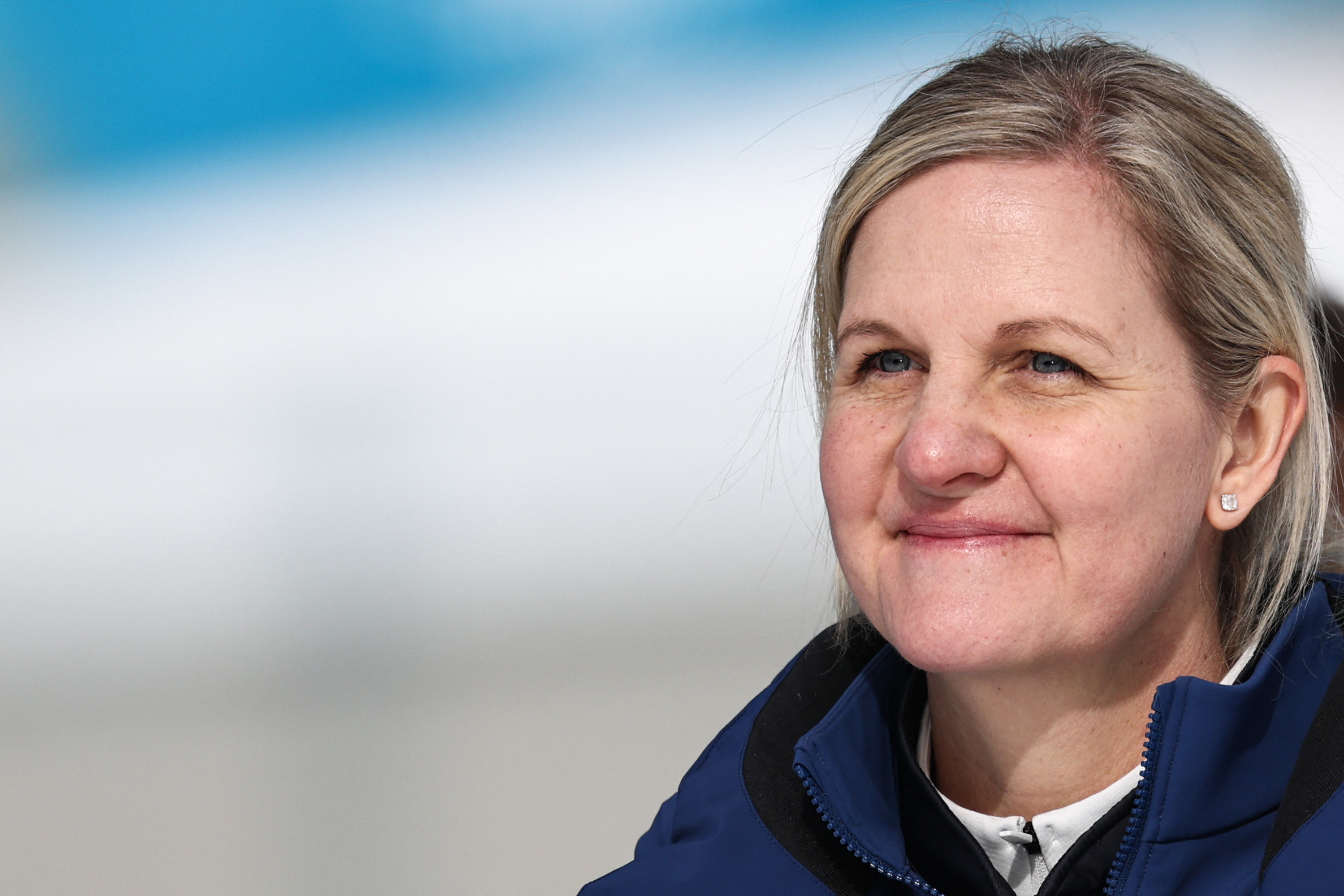
Kirsty Coventry, an IOC member and two-time Olympic swimming champion, stated in a video that she is “aware that this is a very sensitive issue” and that, as a former athlete, she “firmly believes in the right of all Olympic athletes to participate in fair competition.”
Coventry emphasized that “the policy we have announced is based on science and has been developed by medical experts, taking into account — above all — the interests of the athletes.”
“The scientific evidence is very clear. Male chromosomes provide performance advantages in sports that rely on strength, power, or endurance,” she underscored.
“At the Olympic Games, even the slightest differences can mean the difference between victory and defeat. Therefore, it is absolutely clear that it would not be fair for biological males to compete in the women’s category. Furthermore, in some sports, it simply would not be safe,” the IOC member said.
Testing of athletes
The IOC further indicated that Olympic athletes will be tested to detect the presence or absence of the SRY gene, which demonstrates that an athlete has undergone male sexual development — something that can be verified using a saliva or blood sample.
Those who test negative on this test, the IOC emphasizes, “permanently meet the eligibility criteria of this policy to compete in the female category.”
“Unless there are grounds to believe that a negative result is erroneous, this test will be performed only once in a lifetime,” it adds.
No athlete who tests positive will be permitted to participate in the female category, with the “rare exceptions” of those holding a “diagnosis of Complete Androgen Insensitivity Syndrome (CAIS) or other rare differences/disorders of sex development (DSD) who do not benefit from the anabolic and/or performance-enhancing effects of testosterone.”
Those who test positive — “including androgen-sensitive XY transgender and XY-DSD athletes” — may participate in the categories for which they qualify, the IOC clarifies, pointing to male or mixed categories, “or in sports and events that do not classify athletes by sex.”
This policy, the IOC explains, was guided by its objectives “regarding equality (equal opportunities for female athletes in finals, on podiums, and in championships); enhancing Olympic value (including both women’s and men’s finals in all sports); and visibility and inspiration (celebrating female athletes on the Olympic podium to inspire and represent women and girls worldwide).”
How was this new policy developed?
The new policy is the result of an IOC review — conducted between September 2024 and March 2026 — of the IOC’s policy objectives concerning the women’s category. Within this framework, a working group was established in September 2025 to “specifically examine scientific, medical, and legal advancements made since 2021.”
The members of the working group hail from five continents and include “specialists in sports science, endocrinology, transgender medicine, sports medicine, women’s health, ethics, and law.”
Olympic athletes also participated through more than 1,100 survey responses, in-depth individual interviews with “affected athletes from around the world,” and a presentation and discussion with members of the IOC Athletes’ Commission.
The results of the consultation revealed that “while there are nuances depending on sex, gender, region, and the athlete’s status (active or retired), there was a strong consensus that fairness and safety in the women’s category require clear, science-based eligibility rules, and that protecting the women’s category is a shared priority.”
This story was first published by ACI Prensa, the Spanish-language sister service of EWTN News. It has been translated and adapted by EWTN News English.