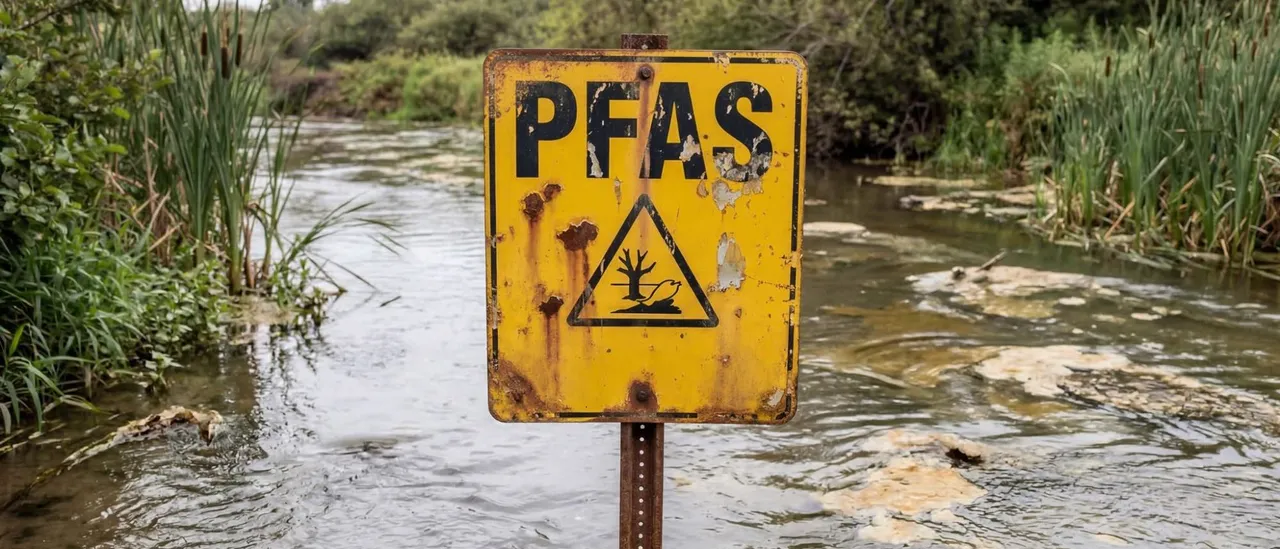
As World Water Day draws attention to the value of clean, reliable freshwater, growing numbers of communities, regulators, households, and individuals are also paying closer attention to PFAS contamination in drinking water.
In April 2024, the U.S. Environmental Protection Agency finalized the first nationwide, legally enforceable drinking water standard for PFAS, including a 4.0 parts per trillion limit for PFOA and PFOS. That rule marked an important shift: PFAS was no longer just a technical issue discussed mainly by regulators and scientists, but a water-quality concern with clear standards that households could better understand. In 2025, EPA said it would keep those limits for PFOA and PFOS in place while adjusting parts of the broader compliance framework.
PFAS, short for per- and polyfluoroalkyl substances, are a large group of synthetic chemicals used for decades in industrial processes and consumer products because they resist heat, oil, and water. Those same properties also make them highly persistent. PFAS breaks down very slowly and can build up over time in soil, water, wildlife, and the human body, which is why they are often referred to as “forever chemicals.”
The EPA rule signaled that PFAS contamination is a recognized environmental and public-health challenge that water systems are now required to monitor and manage. At the same time, drinking water is only one part of the broader picture. PFAS can move through multiple pathways, including industrial discharge, contaminated soil, food packaging, and agricultural systems, which means household exposure is not tied to a single source.
How PFAS Move Through the Food System
PFAS exposure does not come from just one source. Research shows that these chemicals can move through the food system as well as water, which is why PFAS exposure is now understood as a multi-pathway issue. Because PFAS are highly persistent in the environment, they can travel through agriculture, aquatic ecosystems, and food packaging before reaching people.
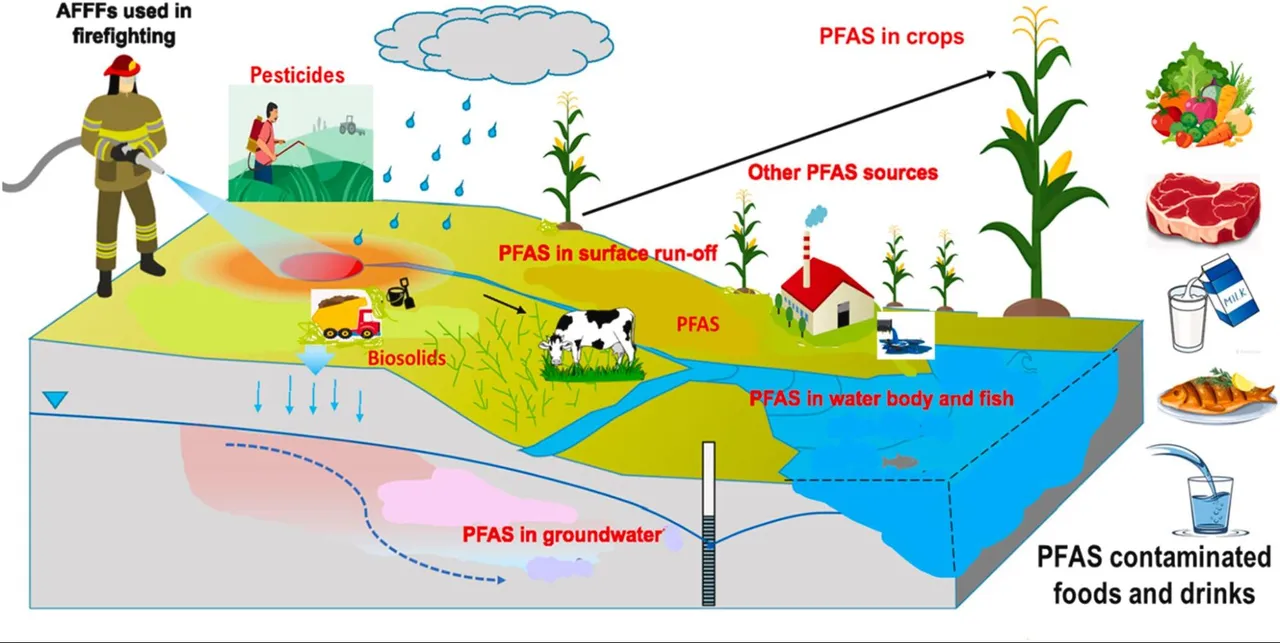
Sourcing:https://www.sciencedirect.com/science/article/pii/S0269749125014095?
One pathway begins with agriculture. When contaminated water is used for irrigation, PFAS can build up in soil and become available to crops. EPA-supported research has identified irrigation water, compost, and biosolids as sources that can affect PFAS uptake in plants, and earlier EPA-linked studies found that edible crops such as lettuce and tomato can absorb certain PFAS from impacted soils. In other words, contamination does not necessarily stay in the water source alone; it can move into farmland and then into the food supply.
A second pathway is fish and seafood. Because PFAS can bioaccumulate in living organisms, fish may absorb these chemicals from surrounding water and food over time. A 2025 study in Science modeled PFAS exposure from 212 edible marine fish species using seawater data from 3,126 sites worldwide over 20 years, and concluded that marine fish consumption is an important global exposure route. This is consistent with the scientific understanding that PFAS can move up aquatic food webs, making seafood another relevant part of the exposure picture.
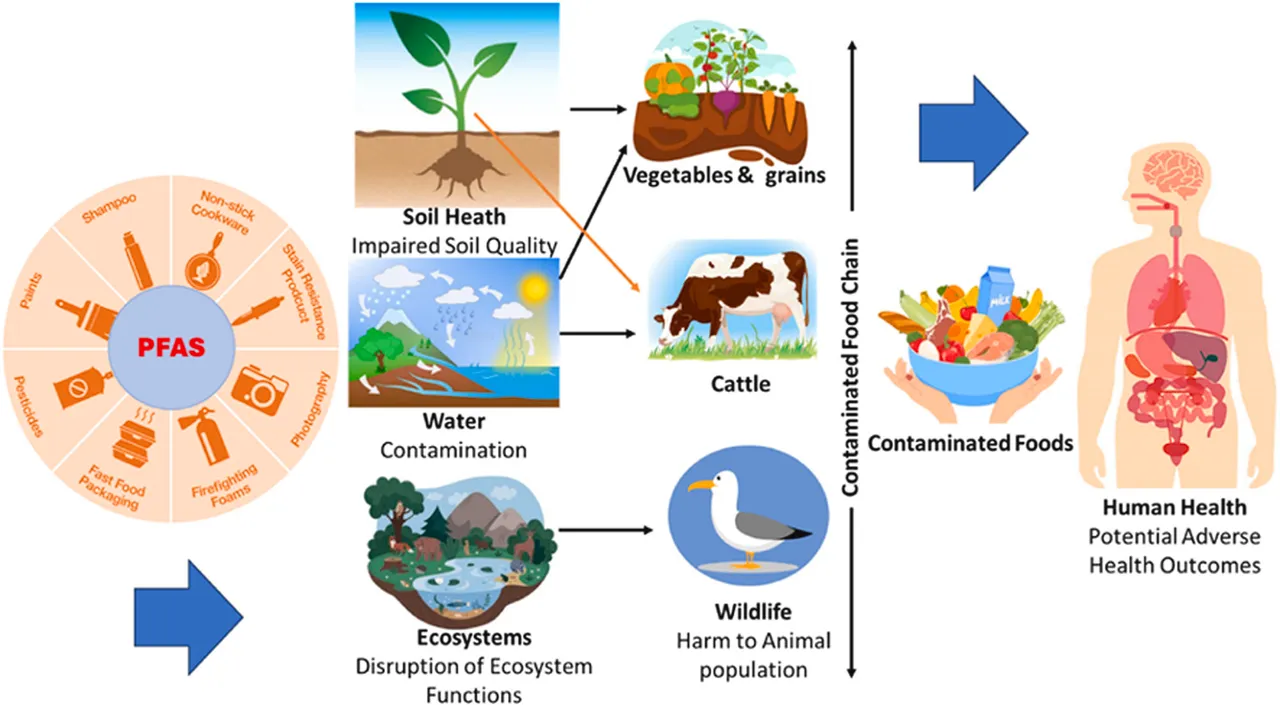
Sourcing:https://www.sciencedirect.com/science/article/pii/S0269749125014095?
A third pathway is food packaging. For years, some grease-resistant papers and paperboard used in items such as wrappers and microwave popcorn bags relied on PFAS because of their oil- and water-resistant properties. The U.S. FDA has said these substances could migrate into food, which is why PFAS-containing grease-proofing agents for paper and paperboard packaging were phased out and are no longer authorized through the affected food contact notifications.
Taken together, these pathways show why PFAS exposure can be long-term and difficult for individuals to fully control. People may encounter PFAS through food production, seafood consumption, and everyday packaging over many years. But at the household level, drinking water is one of the more controllable exposure pathways. While no single step can eliminate every source of PFAS, improving water quality at home can be a practical way to reduce day-to-day exposure.
Water Is One of the Most Controllable Pathways at Home
PFAS exposure can come from many places, including food, packaging, dust, and the broader environment. Most of those pathways are difficult for individuals to fully control over the long term. Drinking water is different. It is one of the few exposure routes that households use every day and can act on directly. The EPA notes that home filtration can be an effective way to reduce PFAS in drinking water, which is why water has become one of the most practical starting points for families looking to lower everyday exposure.
Granular activated carbon (GAC) is one of the most widely used filtration approaches. It works by trapping contaminants on the surface of porous carbon as water passes through. EPA identifies GAC as one of the established treatment technologies for PFAS reduction, and it is commonly used in both utility-scale and home filtration systems. Its performance, however, can vary depending on the specific PFAS involved, the quality of the carbon media, and how long the filter has been in use before replacement.
Ion exchange uses specially designed resin beads that attract and hold charged contaminants from the water. EPA also lists ion exchange as an effective PFAS treatment technology, and it is used in both municipal and point-of-use applications. In simple terms, the resin acts like a chemical magnet. This can make ion exchange highly effective in certain settings, although performance still depends on system design, water chemistry, and ongoing maintenance.
Reverse osmosis (RO) works differently. Instead of relying mainly on adsorption or chemical attraction, it forces water through an extremely thin membrane that separates many contaminants from the water itself. The EPA specifically identifies reverse osmosis as one of the best available technologies for reducing PFAS, and it is also one of the key technologies recommended for certified home-use filters. Because RO can reduce a broad range of contaminants in addition to PFAS, it is often seen as a stronger point-of-use option for households that want a more comprehensive level of filtration.

That is why reverse osmosis stands out in the home setting. While GAC and ion exchange can both play an important role, RO is widely recognized as one of the most effective household technologies for reducing PFAS in drinking water, especially at the point of use. For families looking for a practical and consistent way to improve water quality at home, that makes RO a natural next step.
How to Identify a Home RO Water Filter You Can Rely On
Among household filtration options, reverse osmosis (RO) is widely recognized as one of the most effective ways to reduce PFAS in drinking water. Instead of only improving taste or reducing a few common impurities, RO uses a fine membrane to help block contaminants at a much smaller scale, which is why it is often recommended for compounds such as PFOA and PFOS. Certifications such as NSF/ANSI 42, 53, and 58 also help consumers evaluate performance and contaminant reduction claims more clearly.
That makes RO especially relevant for households looking for a more practical way to reduce daily exposure.Waterdrop Filter highlights three RO systems designed for different home sizes, routines, and life stages.
The Waterdrop Filter G3P800 RO System is positioned for households that want a balance of strong filtration and everyday convenience, especially families with infants, pregnant women, or elderly members. It can reduce PFOA by up to 98% and PFOS by up to 99%, and it carries NSF/ANSI 42 and 53 certifications. Its tankless design also helps provide fresh drinking water on demand without taking up too much under-sink space, making it a practical fit for routine family use.

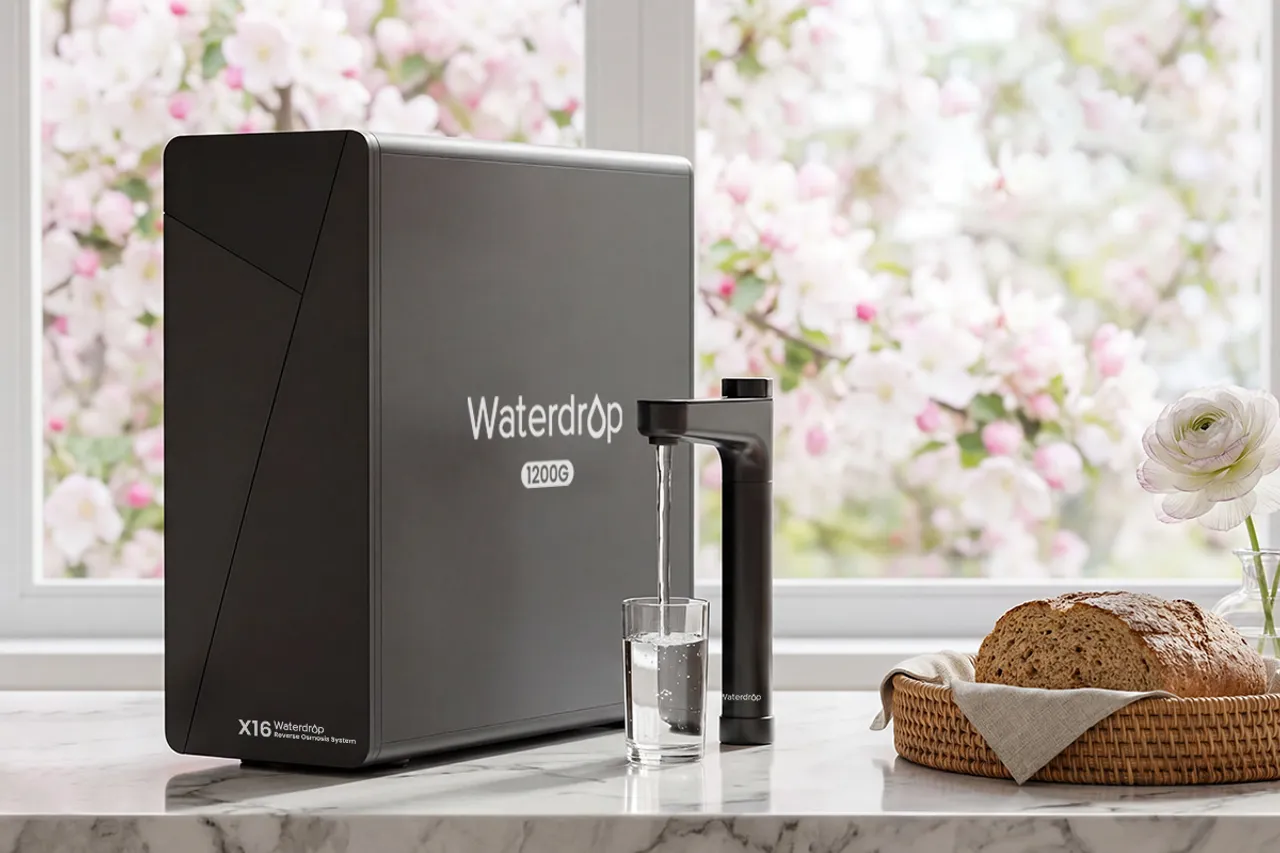
For larger households or homes with heavier daily water use, the Waterdrop Filter X16 RO System is presented as a higher-capacity option. It delivers an ultra-high flow rate of 1,600 gallons per day and can reduce PFOA by 98.88% and PFOS by 98.97%. That makes it well suited to families that need filtered water for multiple daily tasks, from drinking and cooking to washing produce and filling bottles throughout the day.
For renters, smaller kitchens, or first-time RO users, the Waterdrop Filter DLG-P offers a more compact alternative. Company testing says it can reduce PFOA by 99.7% and PFOS by 99.6%. With its small footprint and simpler installation, it is positioned as a better fit for apartments, limited kitchen space, and people who want PFAS-focused filtration without a more demanding setup.
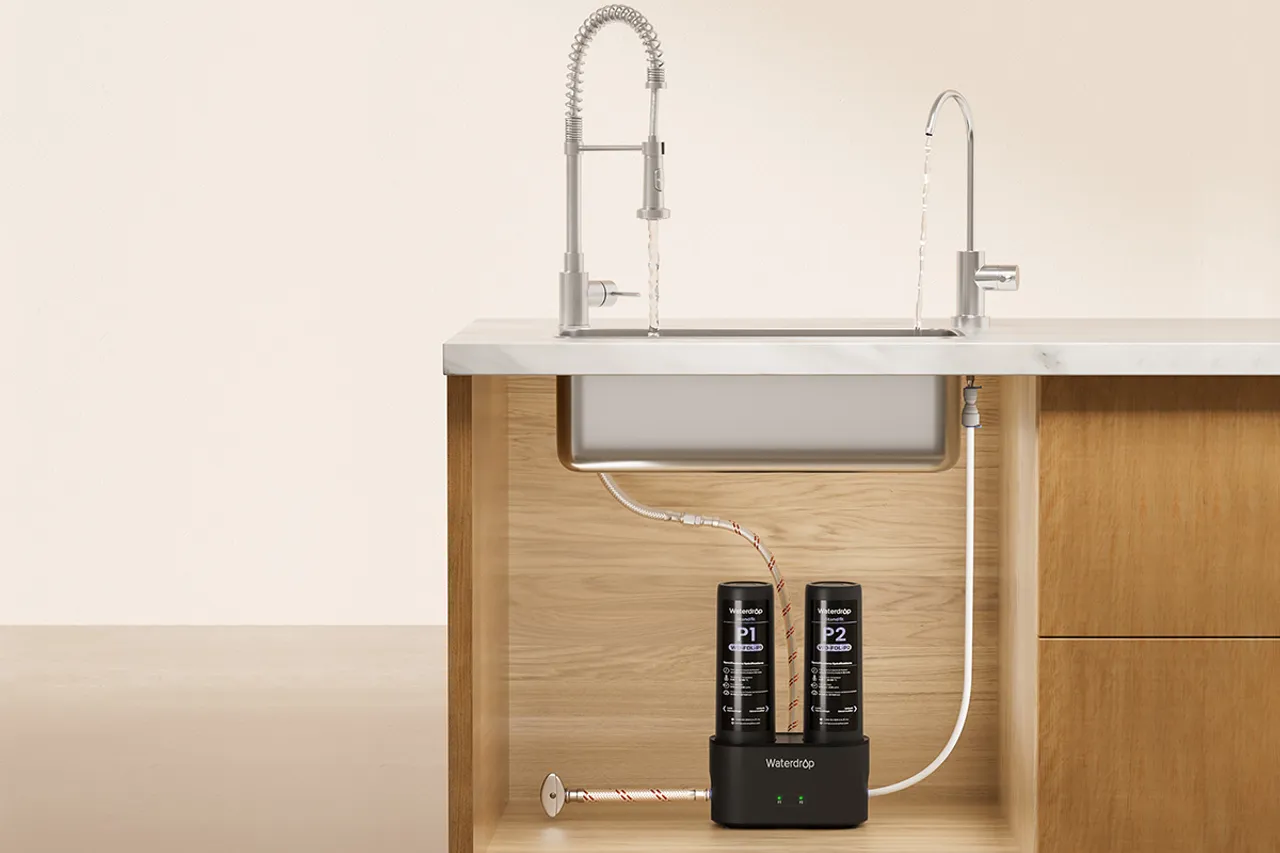
Taken together, these systems show why RO has become such a practical option in the home. The technology is no longer limited to one type of household. Whether the need is family-focused protection, high-capacity daily use, or compact flexibility, RO can now fit a range of real-life living situations while helping reduce exposure to PFOA and PFOS at the tap.
Turning Awareness Into Everyday Action
PFAS may be a complex environmental issue, yet at the household level, the response does not have to be complicated. When people understand that exposure can happen through multiple pathways, they can focus on the ones they are actually able to manage.
For many households, drinking water is one of the clearest places to start. It is part of daily life, directly used for drinking and cooking, and one of the few exposure pathways that can be addressed in a consistent and practical way. That is what makes point-of-use filtration especially valuable: it turns a broad public-health concern into a manageable step at home.
In that sense, reverse osmosis is more than a water treatment technology. It is a way to make healthier choices part of an everyday routine. Once in place, it works quietly in the background, helping families reduce exposure without adding friction to daily life.
Members of the editorial and news staff of the Daily Caller were not involved in the creation of this content.






![Donald Trump Slams Chicago Leaders After Train Attack Leaves Woman Critically Burned [WATCH]](https://www.right2024.com/wp-content/uploads/2025/11/Trump-Torches-Powell-at-Investment-Forum-Presses-Scott-Bessent-to-350x250.jpg)

![Texas Trucker Busted with 23 Illegals Stuffed into the Cab of His Big Rig [WATCH]](https://www.right2024.com/wp-content/uploads/2025/12/Texas-Trucker-Busted-with-23-Illegals-Stuffed-into-the-Cab-350x250.jpg)