OPINION:
The Trump administration recently released its National Security Strategy. What makes it different from the strategies presented by previous administrations?
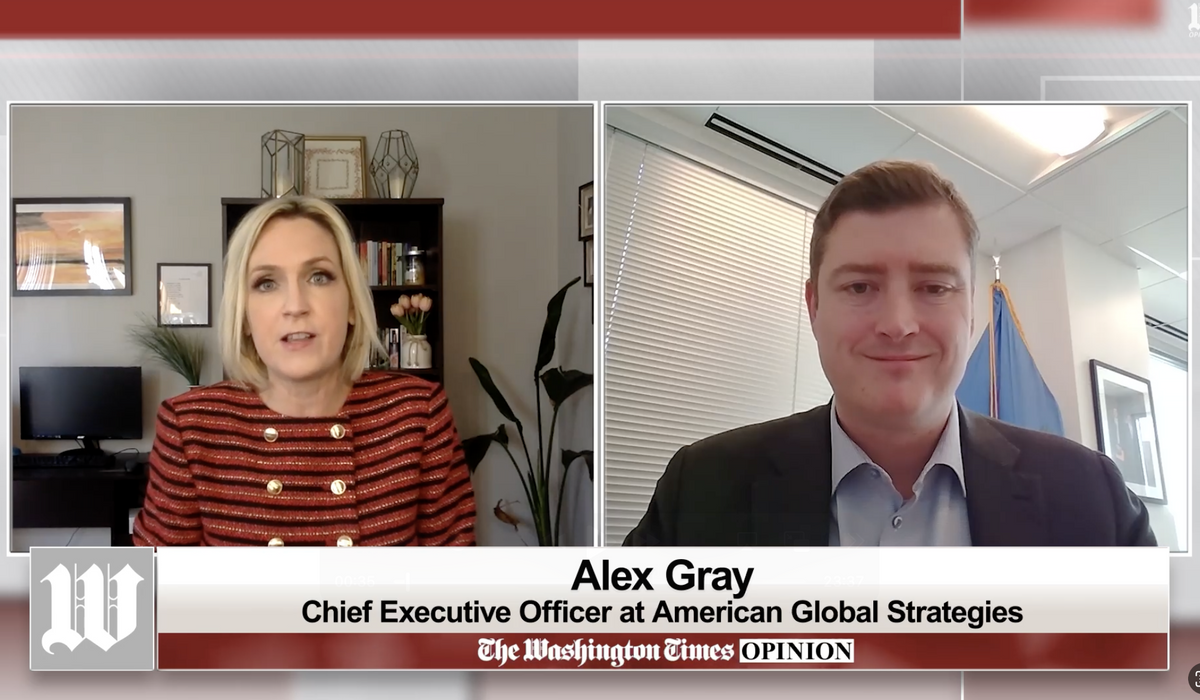
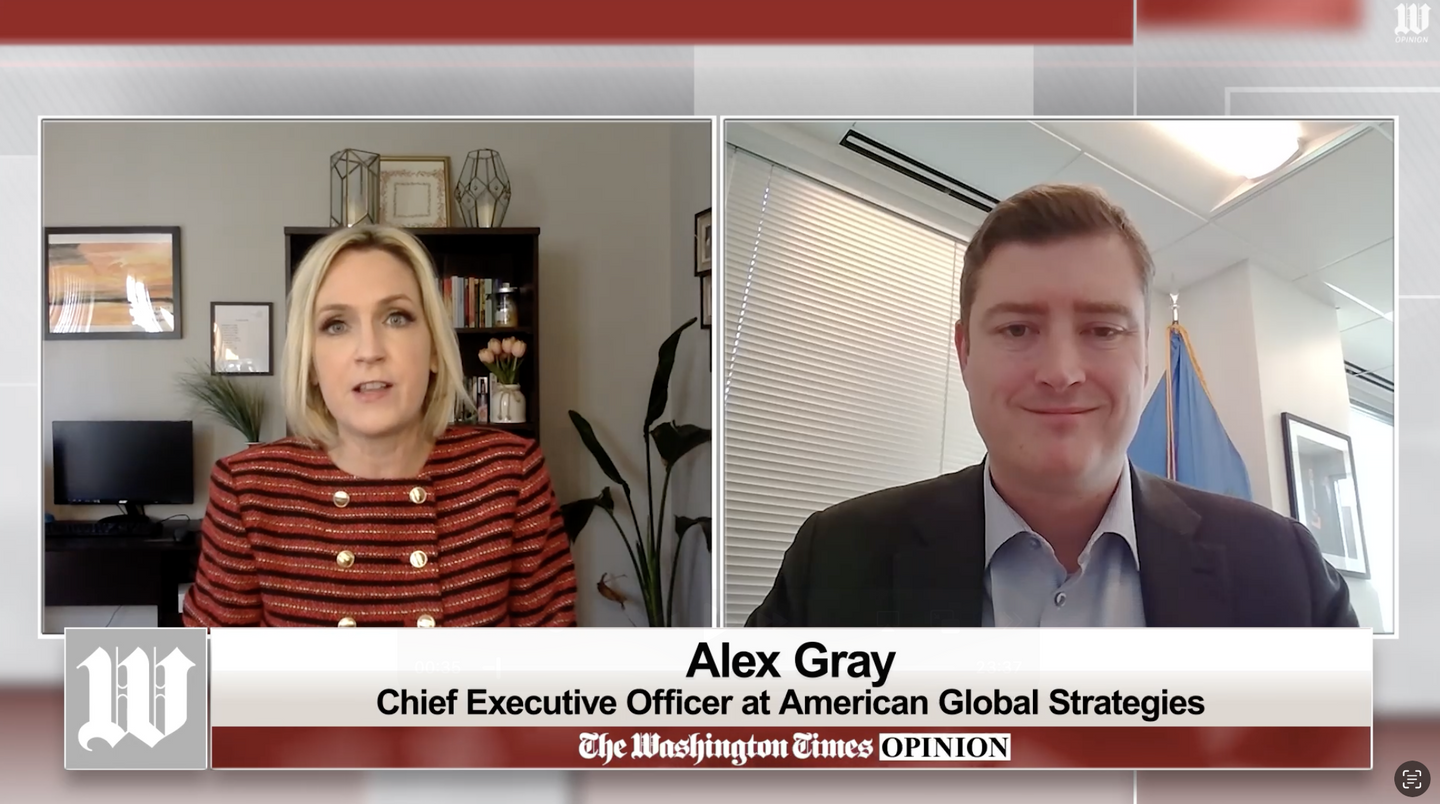
On the latest Politically Unstable, Kelly Sadler is joined by Alex Gray. Mr. Gray is currently the Chief Executive Officer at American Global Strategies and a nonresident fellow at the GeoStrategy Initiative at the Atlantic Council’s Scowcroft Center for Strategy and Security. Formerly, he served as a deputy assistant to the president and chief of staff on the National Security Council at the White House.
[SADLER] The Trump administration, Trump 2.0, just recently released their National Security Strategy. It’s a rather large document that sets the agenda and the goals the way the administration sees the world and conflict, and sets out those priorities. Alex, you wrote a column for the Washington Times saying that this National Security Strategy is a bit different than previous administrations. When you read through it, what stood out to you, and what makes it unique?
[GRAY] What makes it unique is if you look at national security strategies going back to the end of the Cold War under Republicans and Democrats in the White House, they’re basically laundry lists. They’re not about priorities. They’re not about setting goals or matching resources to objectives. They’re just a wish list of … everything’s important. And, you know, there’s an old saying in strategy that if everything’s important, nothing’s important. And, you know, I always use the example. If you look at some of the early national security strategies post-Cold War, you basically have an argument that dealing with great powers like Russia and China, it’s treated as if it’s the same level of importance as dealing with Africa and the Pacific Islands. That’s just not true.
And I think most Americans who are honest about where our interests lie know that not everything is of equal import to the American people and to our strategic interests. What this document does is it makes a very clear and cohesive case for what the core national interests of the United States are, and in a world of limited resources, how do we deploy those resources to most effectively safeguard our interests?
So what it says in a nutshell, in its 33 pages, is protecting our homeland, whether that be from illegal migration or from the importation of dangerous drugs, or from espionage, or trade practices that put Americans out of work, terrorism against the homeland, that is our principal focus as a government is to protect the homeland and the American people where they live. Seems axiomatic, seems obvious. It’s not always treated that way by our foreign policy establishment.
So it builds from there and the document builds out. Next, it says that the Western Hemisphere, where we live, is essential to our national security. Again, this was not controversial for most of American history. The hemisphere was treated as an obvious, central area for America’s interests because it’s where we live. Only since the end of the Cold War have we really started to treat the hemisphere as of secondary importance. The president’s saying in this document, because of drugs, because of narcotics, and most importantly, Kelly, because of the influence of China and Russia and Iran in our hemisphere, we are now going to treat the hemisphere with the importance it deserves. And we’re going to push back at the efforts of what the document calls extra-hemispheric powers, powers who don’t live in our hemisphere, like China, Russia, and Iran, we’re going to push back and try and make sure they cannot gain dangerous leverage in our hemisphere.
And then finally, what the document does, that I’m as a person who’s worked in Asia policy most of my career, I’m very happy the document says in unambiguous terms, the future of the world economy, the future of American strategy is in the Indo-Pacific. And it’s the obligation of the United States to keep the Indo-Pacific free and open. So it’s really a chain of objectives: Defend the homeland, keep the bad actors, Russia, China, and Iran out of the hemisphere, and then keep Asia open to commerce and open and safe from Chinese malign influence. And everything else is secondary from there.
Watch the video for the full conversation.
Read more: Trump’s National Security Strategy forces hard choices
![Scott Bessent Explains The Big Picture Everyone is Missing During the Shutdown [WATCH]](https://www.right2024.com/wp-content/uploads/2025/11/Scott-Bessent-Explains-The-Big-Picture-Everyone-is-Missing-During-350x250.jpg)



![Milwaukee Brewers’ Karen Fired After Confrontation with LA Dodgers Fan Goes Viral [WATCH]](https://www.right2024.com/wp-content/uploads/2025/10/Milwaukee-Brewers-Karen-Fired-After-Confrontation-with-LA-Dodgers-Fan-350x250.jpg)