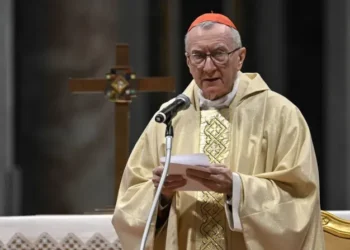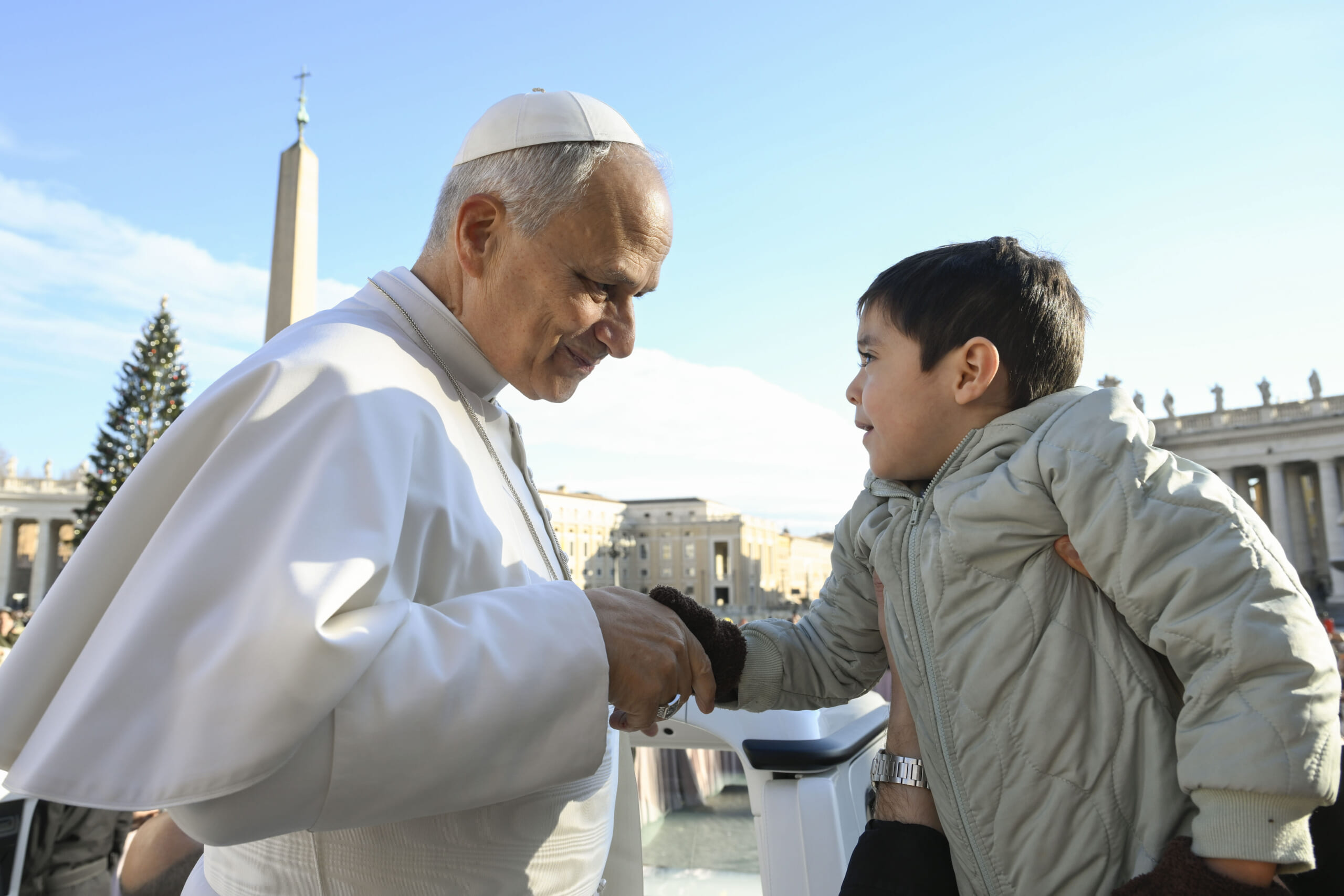
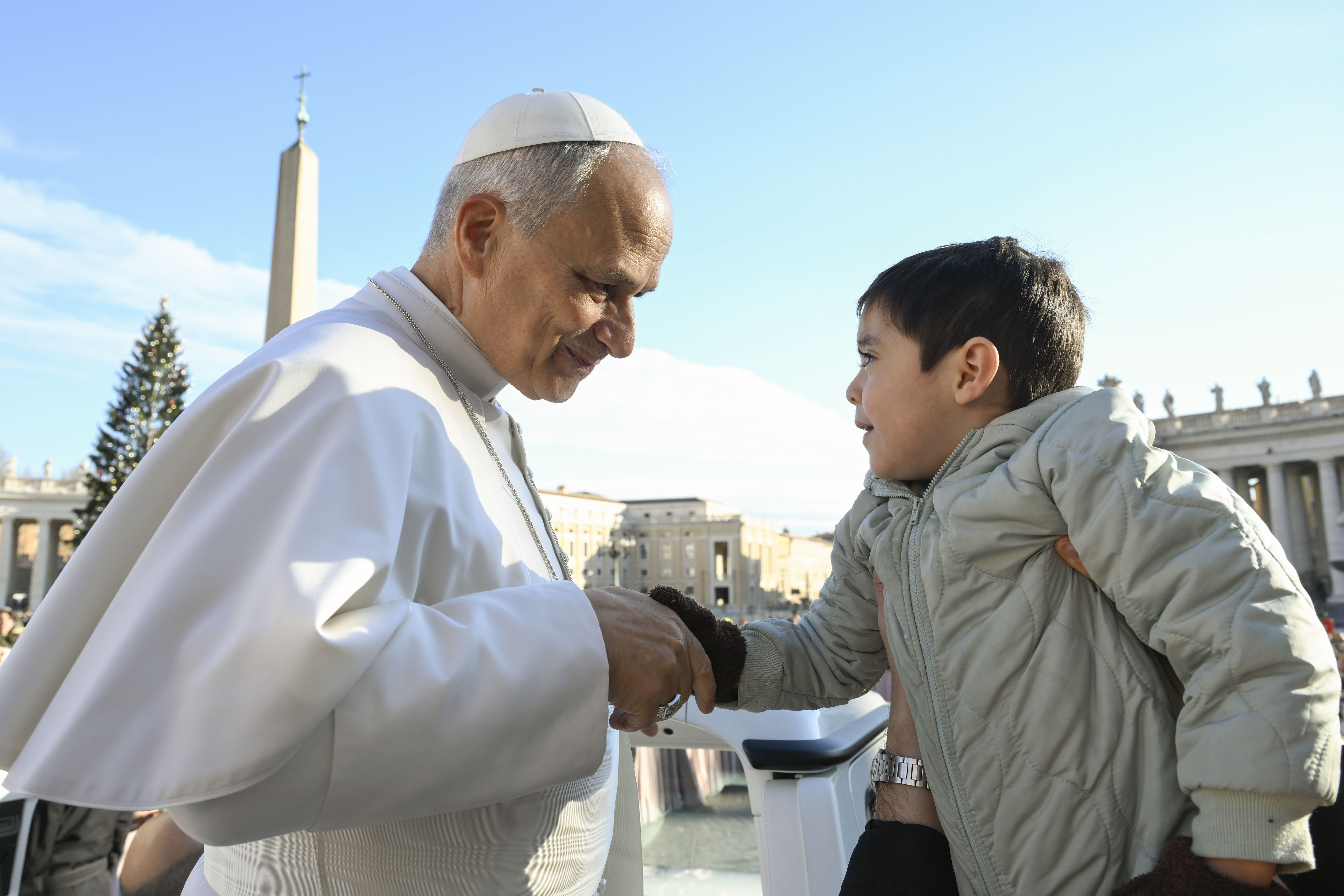
Pope Leo XIV warned that children must not come to see artificial intelligence chatbots as substitutes for real friendship, cautioning that such reliance could harm their intellectual and emotional development.
“We must not allow children to end up believing they can find in artificial intelligence chatbots their best friends or the oracle of all knowledge, dulling their intelligence and their capacity for relationships, and numbing their creativity and thinking,” the pope said.
Leo made the remarks in a message published Sunday in Popotus, the weekly supplement of the Italian newspaper Avvenire dedicated to children, marking its 30th anniversary.
In that context, he urged adults to “safeguard” childhood and guide “the growth of children so that they may become protagonists of a renewed world.”
The pope has consistently highlighted artificial intelligence as a central concern of his pontificate, framing it as an ethical challenge comparable to the industrial revolution addressed by Pope Leo XIII.
On May 10, 2025, in an address to cardinals in the New Synod Hall, he stressed the need to “respond to another industrial revolution — the digital one — and to developments in artificial intelligence, which pose new challenges in defending human dignity, justice, and work.”
In recognition of his engagement on the issue, Time magazine included him on Aug. 29 in its list of the 100 most influential people in the field of artificial intelligence, following several notable interventions on the topic in the early months of his pontificate.
In his message to Popotus readers, Leo encouraged children to rediscover the beauty of the world.
“I want to tell you that restoring the world’s beauty is possible and that you can help adults to see it — precisely through this newspaper designed for you — with renewed wonder, to think about it with trust, and to build it without prejudice,” he said.
He also emphasized fundamental values to be preserved in childhood: “Trust in those who love you, the universal language of love, the disarming power of a smile, the courage to ask forgiveness, the beauty of making peace.”
The Holy Father expressed “great concern” over wars threatening humanity’s future and underscored the need to recover a pure way of seeing reality.
Quoting Jesus’ words — “Unless you turn and become like children, you will not enter the kingdom of heaven” — the pope explained that becoming like children does not mean going backward but rather “safeguarding a key to seeing what is essential in everything, to finding surprising answers even to the most difficult questions.”
“Perhaps only by looking into the lost eyes of children in the face of the barbarity of war can we be converted. We must learn again to look into one another’s eyes and to see the world with pure eyes,” he added.
Addressing parents and educators, Leo thanked them for “the care and love with which they educate children,” helping them “to draw out the beauty within them and to express it in ever new ways.”
“Today especially, in the digital age and the age of artificial intelligence, we all need ongoing education. And to remain human, we must preserve a childlike way of looking at reality,” he concluded.
This story was first published by ACI Prensa, the Spanish-language sister service of EWTN News. It has been translated and adapted by EWTN News English.