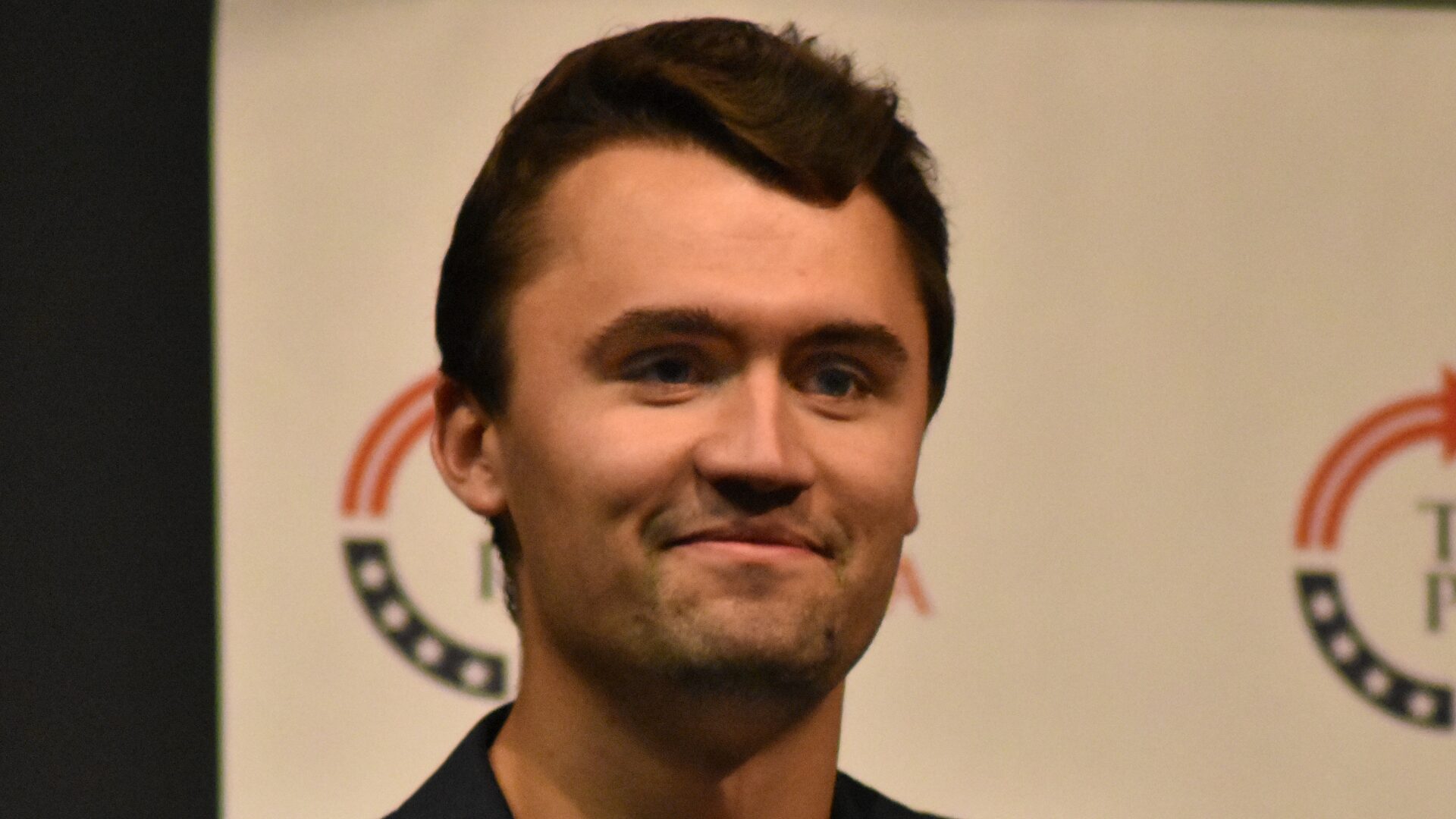
New court filings reveal that investigators have not been able to definitively match the bullet fragment recovered from Charlie Kirk to the rifle allegedly used by Tyler Robinson, though prosecutors emphasized that the findings do not suggest the bullet came from a different weapon, as reported by The New York Post.
According to documents filed this month, the “bullet jacket fragment” recovered during Kirk’s autopsy was too damaged for a conclusive comparison with the .30-06 hunting rifle tied to Robinson.
The analysis was conducted by the Bureau of Alcohol, Tobacco, Firearms, and Explosives, though the full report has not been made public and has only been referenced in court filings.
Here’s What They’re Not Telling You About Your Retirement
The findings became a focal point after claims circulated online suggesting the fragment did not match the rifle, fueling speculation about the circumstances surrounding the September 10, 2025, shooting at Utah Valley University in Orem, Utah.
Court documents, however, describe the results as inconclusive rather than contradictory. “The result of the comparison was inconclusive,” the filing states, indicating that the fragment lacked sufficient detail for a definitive match.
Utah County Attorney’s Office prosecutor Christopher Ballard declined to comment directly on specific forensic results but explained the meaning of such findings.
“When the results of a bullet fragment analysis come back as inconclusive, that means only that the fragment did not contain enough detail for the examiner to determine whether the characteristics on the fragment were consistent with having been fired by a particular firearm,” Ballard said.
This Could Be the Most Important Video Gun Owners Watch All Year
The FBI is continuing its own analysis of the ballistic evidence, according to court papers filed Friday by Robinson’s legal team.
Defense attorneys have requested a delay of a scheduled May 18 hearing, arguing they need additional time to review pending forensic results and other materials provided by prosecutors.
In their filing, Robinson’s attorneys pointed to the ATF findings as potentially significant for the defense.
“Regarding the firearm evidence, the defense has been provided with an ATF summary report which indicates that the ATF was unable to identify the bullet recovered at autopsy to the rifle allegedly tied to Mr. Robinson,” the defense wrote.
They added that the defense may consider presenting expert testimony related to the findings. “The defense may very well decide to offer the testimony of the ATF firearm analyst as exculpatory evidence,” Robinson’s team wrote.
“In order to make this determination, it is necessary for the defense and its firearm expert to review the ATF case file and protocols relating to this examination, which have not yet been provided.”
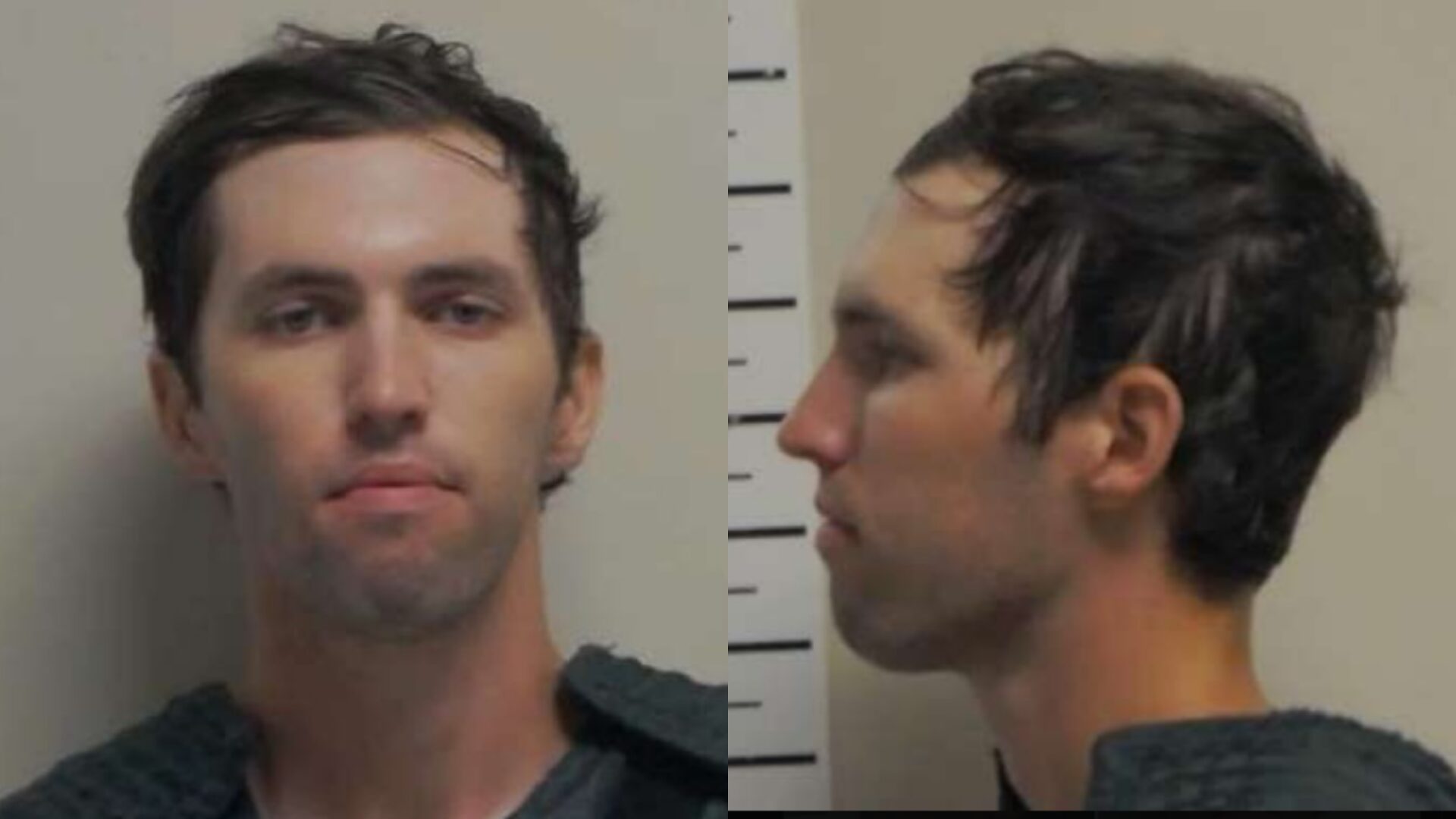
Robinson, 22, is accused of fatally shooting Kirk, the co-founder of Turning Point USA, during a public event at Utah Valley University.
Prosecutors have charged him with aggravated murder, a charge that could carry the death penalty if he is convicted.
He remains in custody as the case moves forward. Robinson is scheduled to appear in court again on April 17, when his attorneys are expected to argue against allowing media coverage inside the courtroom, including recording and photography during hearings and trial proceedings.
The case continues to draw attention as investigators and attorneys review forensic evidence central to the prosecution and defense arguments.
The opinions expressed by contributors and/or content partners are their own and do not necessarily reflect the views of LifeZette. Contact us for guidelines on submitting your own commentary.