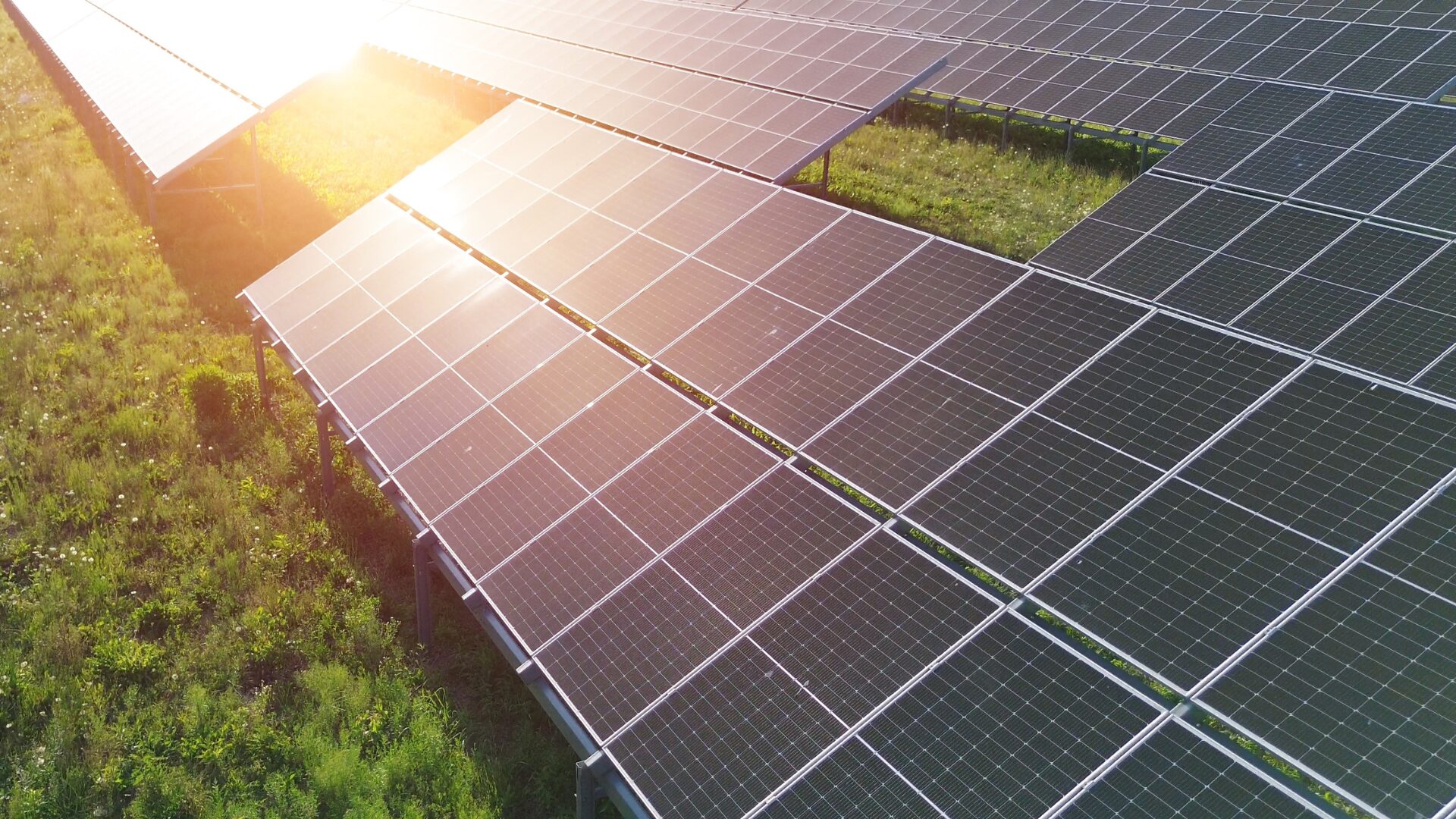
A growing share of clean energy production in the United States is coming from Republican-led states, challenging long-standing assumptions about which regions are leading the push for renewable power, Fox News reported.
Data and policy developments show that states often labeled as “red” are expanding investments in solar, wind, and battery storage while also maintaining support for traditional energy sources such as oil and natural gas.
The trend comes as policymakers continue to debate the role of government in shaping energy policy.
Here’s What They’re Not Telling You About Your Retirement
Some leaders argue that market-driven approaches have allowed states to pursue a range of energy options tailored to local conditions, rather than relying on federal mandates.
As a former governor of Arizona explained, “When it comes to energy, government should step back. Politicians may generate hot air, but the market is best at generating power.”
The approach emphasizes providing consumers with access to multiple energy sources rather than directing them toward a single option.
“We must ensure consumers have access to reliable energy choices — whether that’s gasoline, natural gas, or renewable sources like solar.”
This Could Be the Most Important Video Gun Owners Watch All Year
In practice, this has meant that Americans are increasingly using a mix of energy sources.
Some households rely on gasoline and natural gas, while others are adopting electric vehicles or installing solar panels to supplement home energy use.
Arizona has emerged as one example of this approach. The state has expanded solar production by leveraging its high levels of sunlight, contributing to lower-cost renewable energy in the region.
A recent report found that “red states are leading the way on solar,” with nearly three-quarters of new installations occurring in states that supported President Donald Trump in the 2024 election.
Supporters of the market-driven model argue that energy decisions are best made at the state level, where officials can account for geography, infrastructure, and consumer demand.
“Certain ideological members of Congress or D.C. regulators may assume that they know best, but they oftentimes don’t,” the former governor said.
The debate has also highlighted differences between the current administration and the previous one.
Critics of federal intervention have argued that policies favoring subsidies and mandates can limit innovation and reduce affordability, while others maintain that government support is necessary to accelerate clean energy adoption.
At the federal level, lawmakers have recently advanced measures focused on energy security.
In March, the House Committee on Energy and Commerce passed the Energy Emergency Leadership Act and the Energy Threat Analysis Center Reauthorization Act.
The legislation is aimed at improving the Department of Energy’s ability to respond to supply disruptions and cybersecurity threats.
Supporters of these measures say they reflect a limited but important role for the federal government: protecting national energy infrastructure while allowing states to determine their own energy mix.
The discussion is taking place against the backdrop of increasing global competition. China is rapidly expanding its clean energy capabilities and pursuing long-term carbon neutrality goals.
According to the World Economic Forum, the country is “undergoing one of the most ambitious energy transitions in history,” as it works to reshape its power system and integrate new forms of energy.
China’s push includes plans to peak carbon emissions before 2030 and achieve carbon neutrality by 2060.
U.S. policymakers have warned that maintaining a competitive edge will require a strategy that includes both traditional and renewable energy sources.
The debate continues over how to balance innovation, affordability, and energy security while responding to global developments.
The opinions expressed by contributors and/or content partners are their own and do not necessarily reflect the views of LifeZette. Contact us for guidelines on submitting your own commentary.



![James Carville Admits Democrats Had No Shutdown Endgame, Mishandled Strategy [WATCH]](https://www.right2024.com/wp-content/uploads/2025/11/1763070634_James-Carville-Admits-Democrats-Had-No-Shutdown-Endgame-Mishandled-Strategy-350x250.jpg)


![Two Dead, 14 Injured After Gunfire Erupts Following College Football Game in Alabama [WATCH]](https://www.right2024.com/wp-content/uploads/2025/10/Two-Dead-14-Injured-After-Gunfire-Erupts-Following-College-Football-350x250.jpg)