Sir Roger Gale is MP for North Thanet.
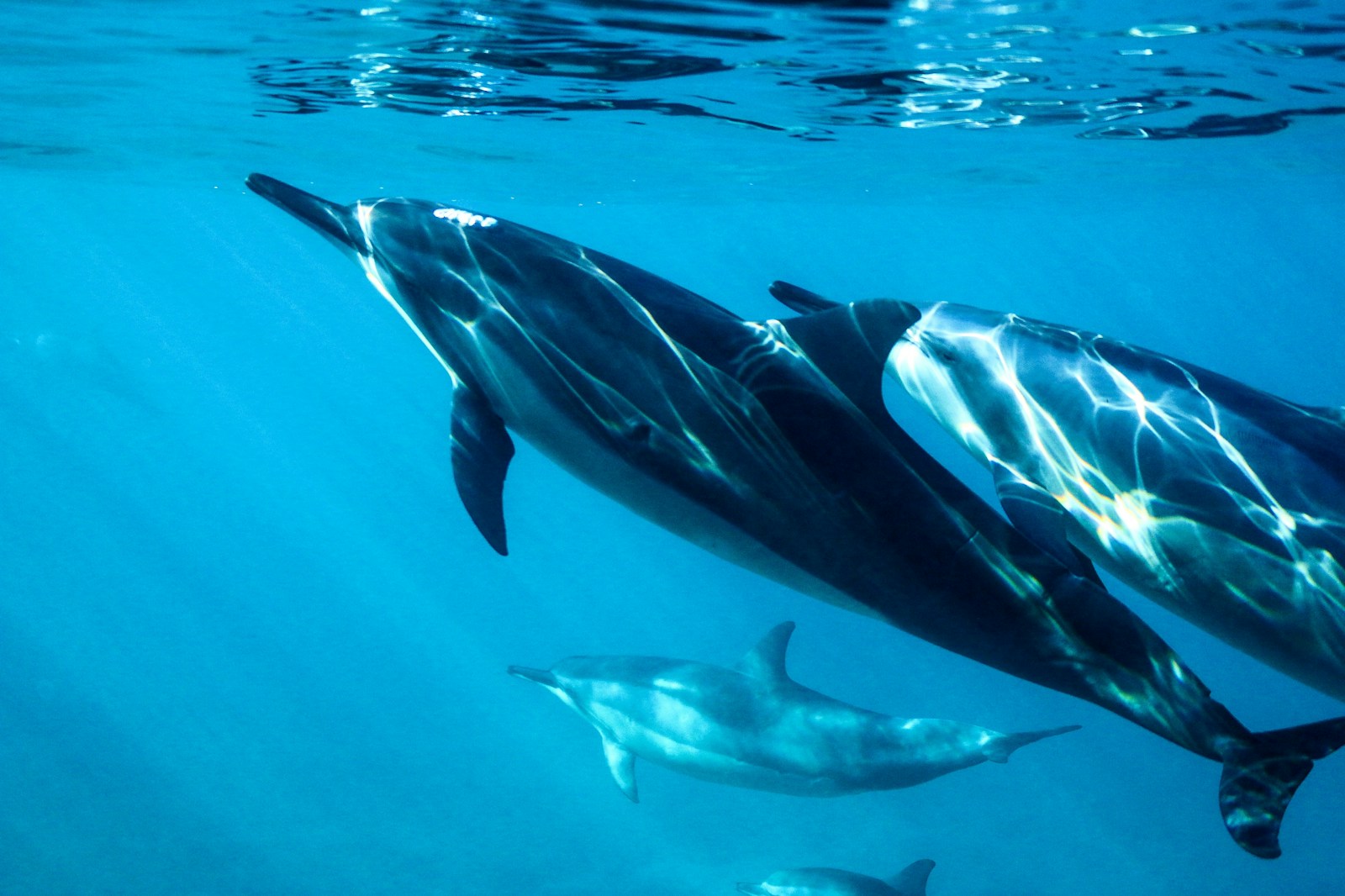
The images from the 2025 dolphin hunting season in the Faroe Islands make painful viewing. The centuries-old grindadráp – or grind – where these precious marine mammals are herded into shallow bays and slaughtered has long been defended as `tradition`.
Yet research shows that more than 70 per cent of Faroese people rarely or never take part in the hunts, and nearly all women oppose it. This does not represent a national consensus; it is the silencing of those who want it to end.
The Faroe Islands are part of Denmark but lie just 200-miles off the coast of Scotland. For those of us in the UK who care deeply about animal welfare and marine conservation this should give real cause for concern and a call to action.
As a Conservative, protecting the planet and our rich biodiversity, whether it exists on land or sea, is a central tenet of my beliefs and is something that I believe that we have a duty to steward for future generations.
Britain has long been a global leader in defending the welfare of whales and dolphins and successive Conservative governments have upheld that leadership through diplomacy and protection measures.
MPs across the Commons have worked cross-party for decades to advocate for animal welfare causes. In the UK, we championed the International Whaling Commission’s moratorium on commercial hunts and have led new initiatives on marine plastic pollution and the protection of migratory cetaceans. We also enjoy some of the world’s strongest legal protections for marine mammals.
Under the Wildlife and Countryside Act, it is an offence to kill, injure, or disturb a whale, dolphin in UK waters. If our love for animals at home is so strong, why should these protections not apply universally across the globe?
The issue of the `grind` also encompasses the wider ecosystem. Whales and dolphins play a vital role in the health of our oceans as their migratory patterns help regulate life in the North Atlantic and connect our waters with other nations. When other countries fail to act, we also feel the ecological consequences.
That is why the UK’s Marine Wildlife By-catch Mitigation Initiative and our support for the Marine and Coastal Wildlife Code are so significant. These were implemented by the previous Conservative Government, demonstrating how our party values conservation rooted in scientific evidence. We also acted to reduce by-catch in fishing gear, raise awareness among boat operators, and protect critical habitats through the expansion of Marine Protected Areas.
Each year, hunts in the Faroe Islands include the killing of pregnant whales and juveniles, raising urgent questions about both sustainability and morality. During the past year upwards of 1,000 have been brutally slaughtered in senseless hunts.
As our care for our fellow humans crosses borders, so should our care for animals.
I represent one of the most environmentally sensitive coastal constituencies in the country, a place where sea, estuary and marsh meet, and where the health of our marine and terrestrial ecosystems are inseparable. Furthermore, as a Patron of the Conservative Animal Welfare Foundation, I have always stood by the notion that climate and environmental policy must not treat the land and sea as separate realms; what happens inland affects the coast, and what happens at sea affects our communities onshore.
That interconnectedness demands a more responsible, long-term approach to land use, development, and conservation, one that recognises our duty to protect the natural world.
With a first of its kind arrest on the Faroe islands for serious animal cruelty breaches by whalers, some hunts have been suspended in recent weeks. Following this landmark case, it seems possible that we could be on the verge of the Faroese acknowledging their international responsibilities also.
There is additionally a UK dimension to this issue in relation to trade , with hundreds of millions of pounds worth of Faroese fish ending up on supermarket shelves each year. Fishing is integral to the Faroese economy and British shoppers should have the choice to support alternatives through clear labelling of source: consumers deserve to know where their seafood comes from and whether their purchase supports practices they regard as unethical.
If we value sustainability, this should be reflected in who we choose to partner with. International agreements can be used to influence and push for change when diplomacy and dialogue fall short. The UK has that leverage and we should use it to promote shared values of marine conservation.
In the interim, supermarket bosses have a duty properly tell us where our fish comes from. Simply labelling products as “North East Atlantic” is too vague and denies consumers the ability to make informed choices.
Protecting whales and dolphins is crucial to our focus on responsibility and our record on animal welfare shows that compassion and conservatism go hand in hand.
Britain must continue to lead by example, defending science and proving that progress and respect for cultural traditions can coexist.
Ministers need to step up and use every tool at their disposal to ensure the cruel practice known as the `grind` is brought to an end once and for all.





![Donald Trump Slams Chicago Leaders After Train Attack Leaves Woman Critically Burned [WATCH]](https://www.right2024.com/wp-content/uploads/2025/11/Trump-Torches-Powell-at-Investment-Forum-Presses-Scott-Bessent-to-350x250.jpg)